Gin botanicals display
1344×768 · AVIF · CC BY 4.0
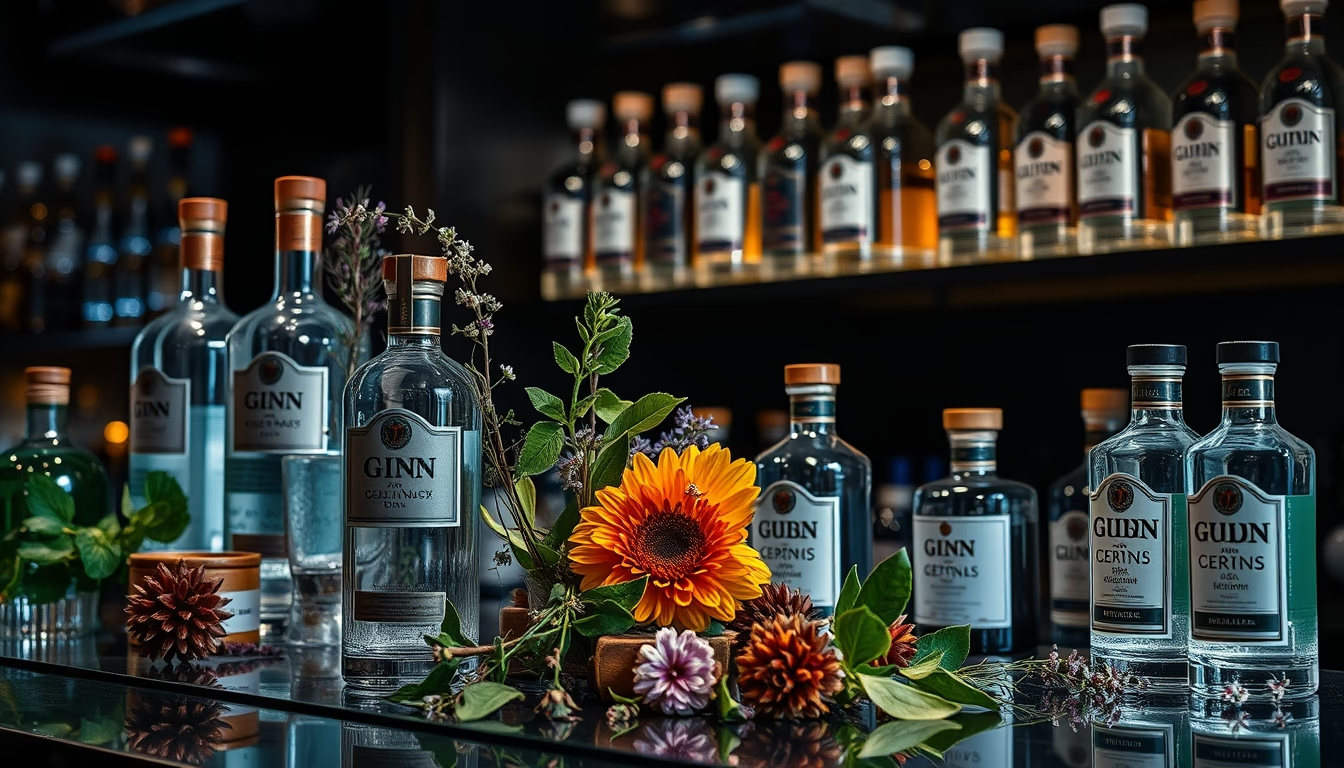
Explore the botanical ingredients that define gin's flavor, highlighting their origins, functions, and the art of selection.
About this subject
Gin is a distilled spirit whose characteristic flavor comes from botanicals, plant ingredients that are macerated or vaporized during production. The essential and legally required botanical is juniper (Juniperus communis), which gives gin its resinous, slightly citrusy aroma. Without juniper, the drink cannot be called gin. Beyond juniper, dozens of other plants can be used, such as coriander, lemon peel, orange peel, angelica root, orris root, cardamom, clove, cinnamon, black pepper, lavender, cucumber, among others.
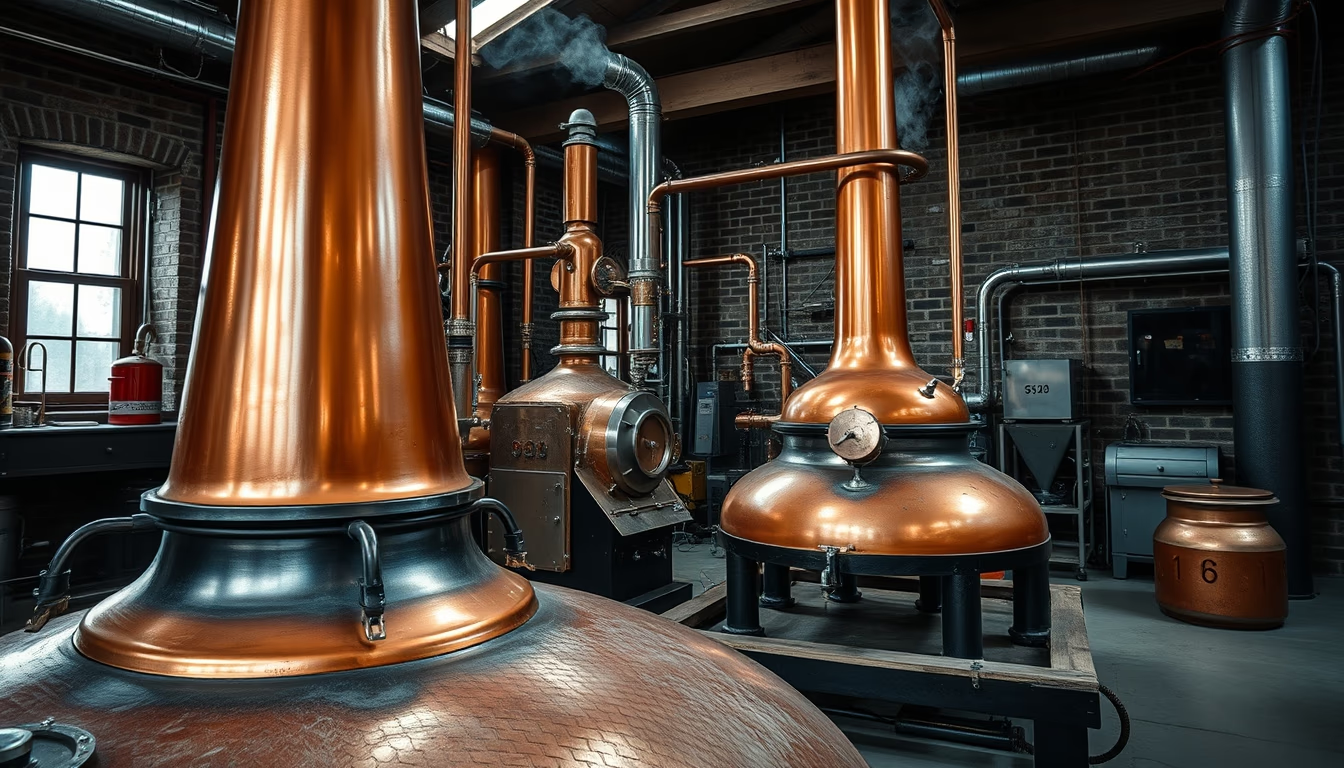
The combination of botanicals is a closely guarded secret for each distillery, defining the final sensory profile. In the distillation process, botanicals can be added directly to the still with neutral alcohol or placed in a vapor basket so hot alcohol extracts their essential oils. This method, known as "London Dry," is the most traditional and requires all flavors to come exclusively from distillation, with no flavorings added afterward. Other styles, such as Plymouth and Old Tom, allow variations.
Historically, gin originated in the Netherlands in the 17th century as a juniper-based medicine but became popular in England. Growing demand led to the creation of complex botanical blends to differentiate brands. Today, the trend is to use native and exotic ingredients, such as hibiscus, green tea, pink pepper, or local fruits, creating artisanal gins with regional identity. Displays of botanicals are common in specialty shops and spirits fairs, helping consumers visualize the richness of flavors.
For enthusiasts, knowing botanicals is essential to understanding tasting notes and pairings. Coriander, for example, brings citrusy and herbal notes; angelica adds an earthy touch; orris root helps fix aromas. The selection of botanicals is an art combining botanical knowledge, flavor chemistry, and creativity, resulting in unique gins that go beyond the classic gin and tonic.
Frequently Asked Questions
What are the most common botanicals in gin?
The most common botanicals include juniper (mandatory), coriander, lemon and orange peel, angelica root, orris root, cardamom, clove, cinnamon, and black pepper. Each distillery uses its own secret recipe.
What does London Dry Gin mean?
London Dry Gin is a style that requires all flavors to come from distillation, with no flavorings added afterward. The neutral alcohol is redistilled with botanicals, resulting in a dry and pure gin.
How do botanicals influence the flavor of gin?
Each botanical contributes specific notes: juniper provides resinous aroma, coriander brings citrusy freshness, angelica adds earthiness, and orris root helps fix and balance flavors, creating complex and unique profiles.
Direct URL
https://pub-c7d6a6ea828543ac903a74a341ccb2e1.r2.dev/imagens/gin-botanicals-display-fine-art-photography-p6.avifHow to credit
Include a visible link back to UtilizAí. Copy one of the snippets below:
<a href="https://xn--utiliza-eza.com/en/midia/imagens/gin-botanicals-display-fine-art-photography-p6">Gin botanicals display</a> by <a href="https://xn--utiliza-eza.com">UtilizAí</a>, licensed under <a href="https://creativecommons.org/licenses/by/4.0/">CC BY 4.0</a>.
[Gin botanicals display](https://xn--utiliza-eza.com/en/midia/imagens/gin-botanicals-display-fine-art-photography-p6) by [UtilizAí](https://xn--utiliza-eza.com), CC BY 4.0
License: CC-BY-4.0