Gin botanicals display
1344×768 · AVIF · CC BY 4.0
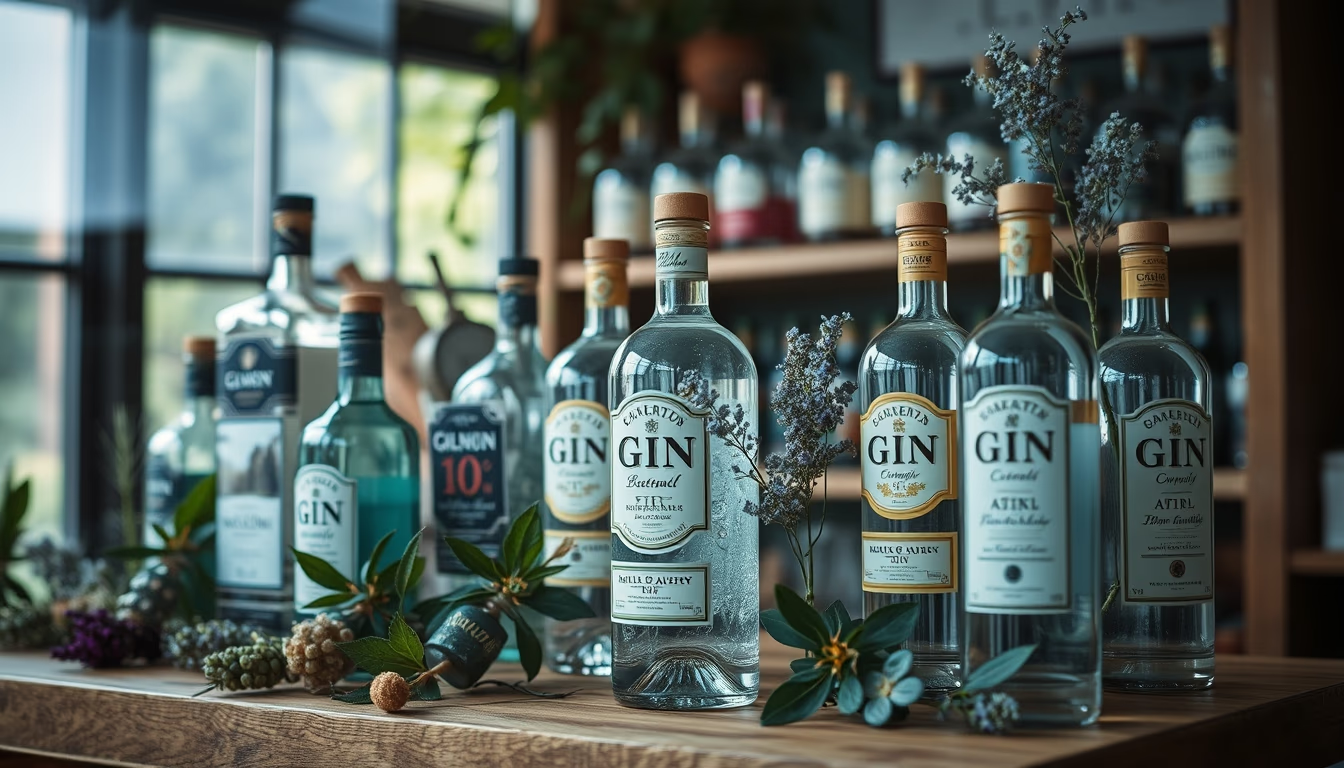
Explore the botanical ingredients that define gin's flavor, from juniper to exotic herbs and spices used in artisanal distillation.
About this subject
Gin is a distilled spirit whose characteristic flavor comes primarily from juniper berries (Juniperus communis), a aromatic fruit that is legally required in many regions for a spirit to be called gin. Beyond juniper, distillers use a wide range of botanicals to create unique flavor profiles. Common botanicals include coriander, lemon peel, orange peel, angelica root, orris root, licorice, cinnamon, and cardamom. Each distillery has its own secret recipe, often containing dozens of ingredients that are macerated in neutral alcohol before distillation.
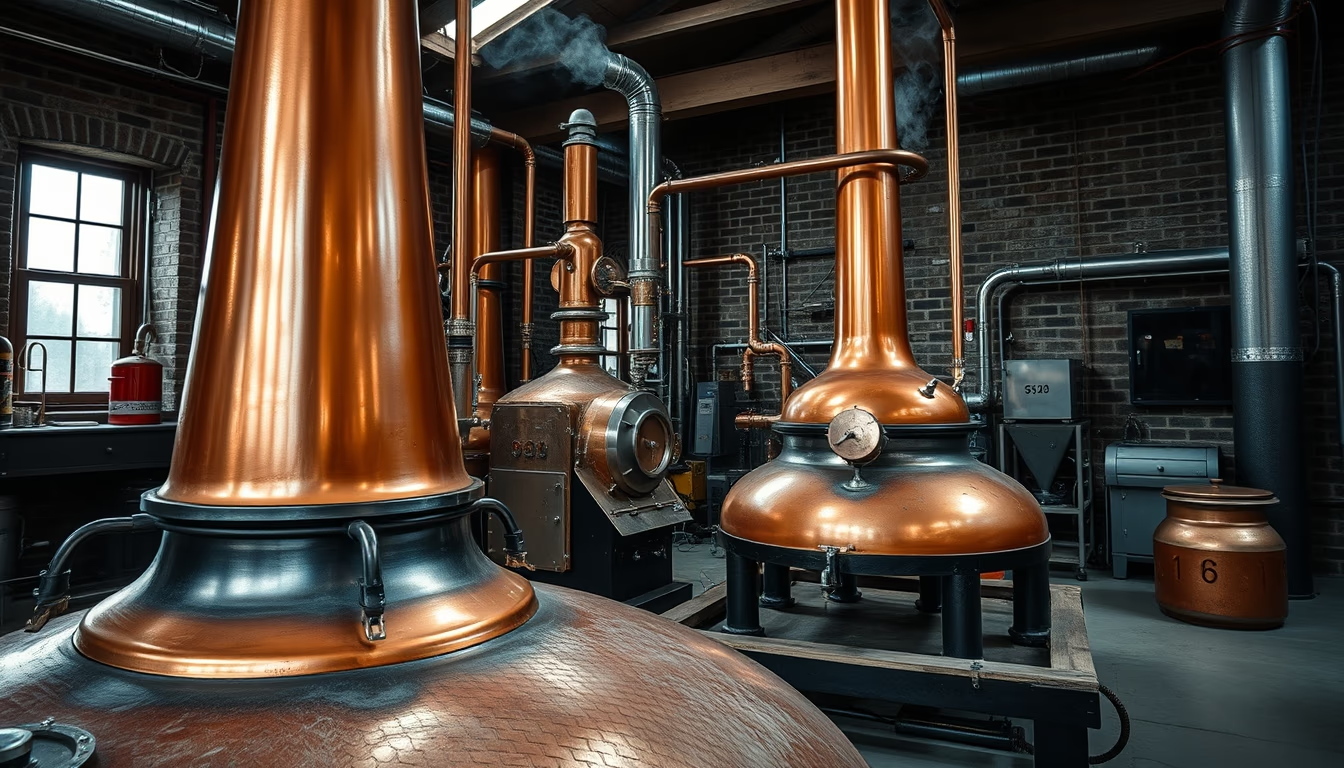
The production process involves macerating the botanicals in a base alcohol (usually from grains) for 12 to 48 hours, followed by distillation in copper stills. During distillation, vapors carry the essential oils from the botanicals, which condense and are collected. The result is an aromatic, clear distillate. Different styles exist: London Dry (dry, no sugar added after distillation), Plymouth (earthier), and contemporary gins (New Western) that innovate with exotic botanicals like green tea, hibiscus, pink pepper, or lavender.
The choice of botanicals is not just about flavor but also tradition and terroir. Many craft producers harvest local ingredients, such as wildflowers or regional herbs, to create a gin that reflects the surrounding environment. This practice dates back to the 17th and 18th centuries when gin became popular in England and the Netherlands. Today, a gin botanicals display showcases the diversity of ingredients, often at beverage fairs or tastings, where consumers can see and smell the botanicals before tasting the gin.
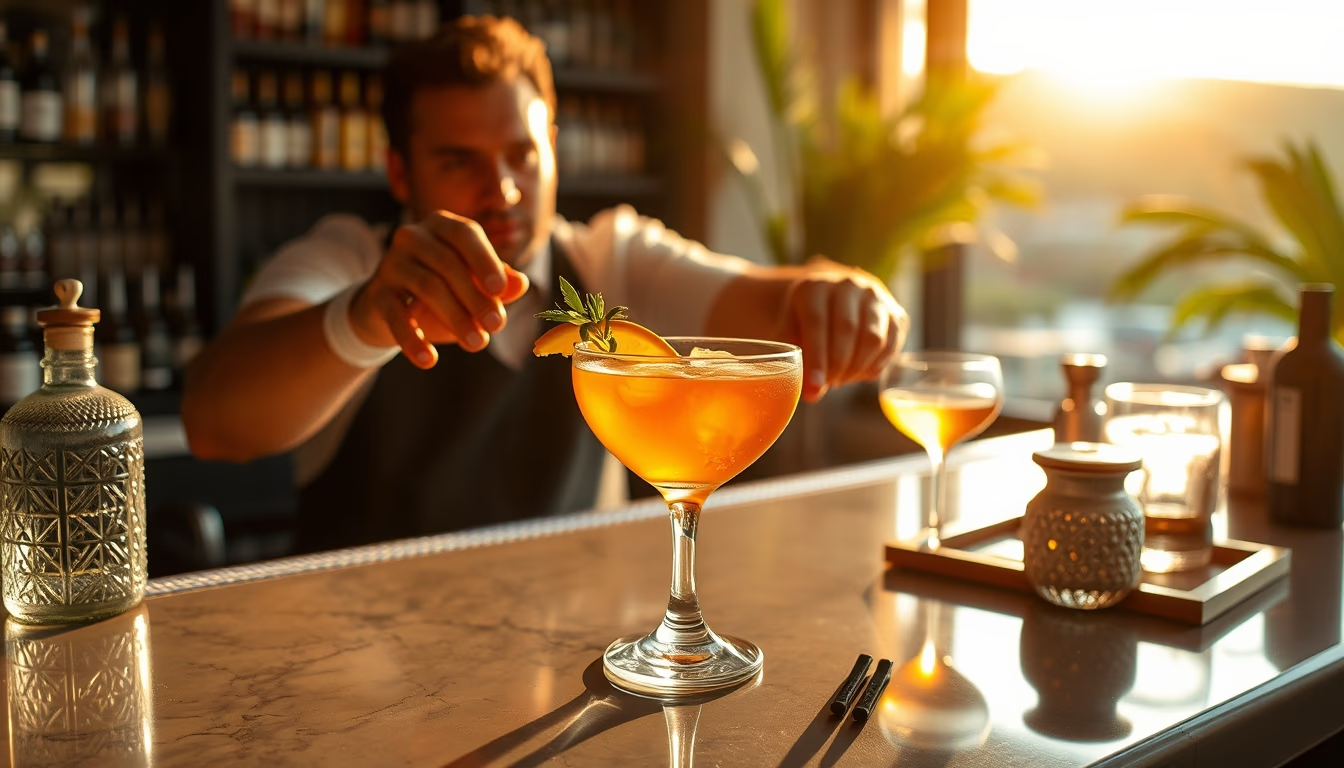
Beyond flavor, botanicals historically had medicinal properties. Juniper was used as a diuretic and for digestive issues; angelica was considered an antidote to poisons. While modern consumption is recreational, this botanical heritage remains alive in gin culture, especially in classic cocktails like Gin and Tonic and Martini. The trend of artisanal and experimental gins continues to grow, driven by interest in natural ingredients and sustainable practices.
Frequently Asked Questions
What are the most common botanicals in gin?
Juniper is mandatory, but others include coriander, lemon peel, orange peel, angelica root, orris root, licorice, cinnamon, and cardamom. Each brand has its secret blend.
How are botanicals used in gin production?
Botanicals are macerated in neutral alcohol for hours, then distilled in copper stills. Essential oils are carried by steam and condensed into the distillate.
Is there a difference between craft and industrial gin in terms of botanicals?
Yes, craft gins often use fresh, local botanicals, while industrial ones use extracts or essential oils. Craft gins also have more complex recipes and seek terroir.
Direct URL
https://pub-c7d6a6ea828543ac903a74a341ccb2e1.r2.dev/imagens/gin-botanicals-display-documentary-photography-p0.avifHow to credit
Include a visible link back to UtilizAí. Copy one of the snippets below:
<a href="https://xn--utiliza-eza.com/en/midia/imagens/gin-botanicals-display-documentary-photography-p0">Gin botanicals display</a> by <a href="https://xn--utiliza-eza.com">UtilizAí</a>, licensed under <a href="https://creativecommons.org/licenses/by/4.0/">CC BY 4.0</a>.
[Gin botanicals display](https://xn--utiliza-eza.com/en/midia/imagens/gin-botanicals-display-documentary-photography-p0) by [UtilizAí](https://xn--utiliza-eza.com), CC BY 4.0
License: CC-BY-4.0