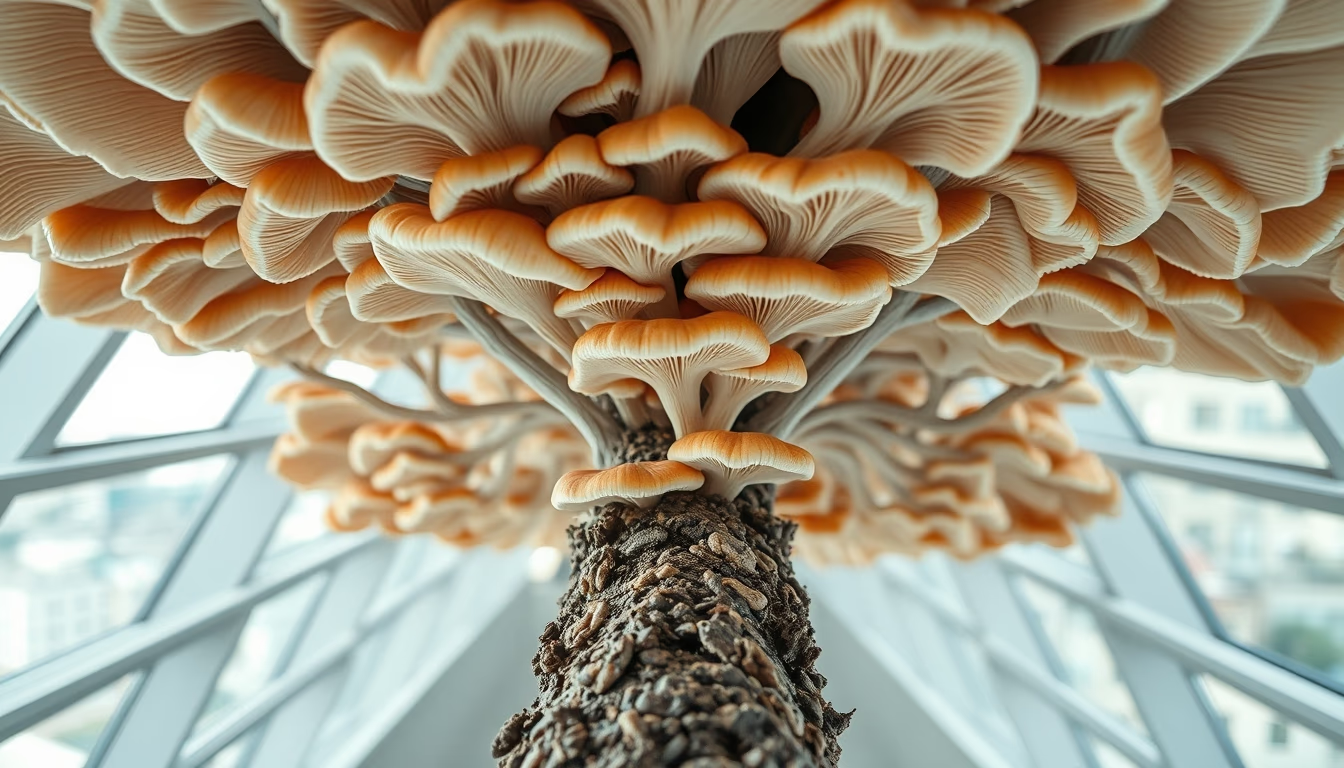
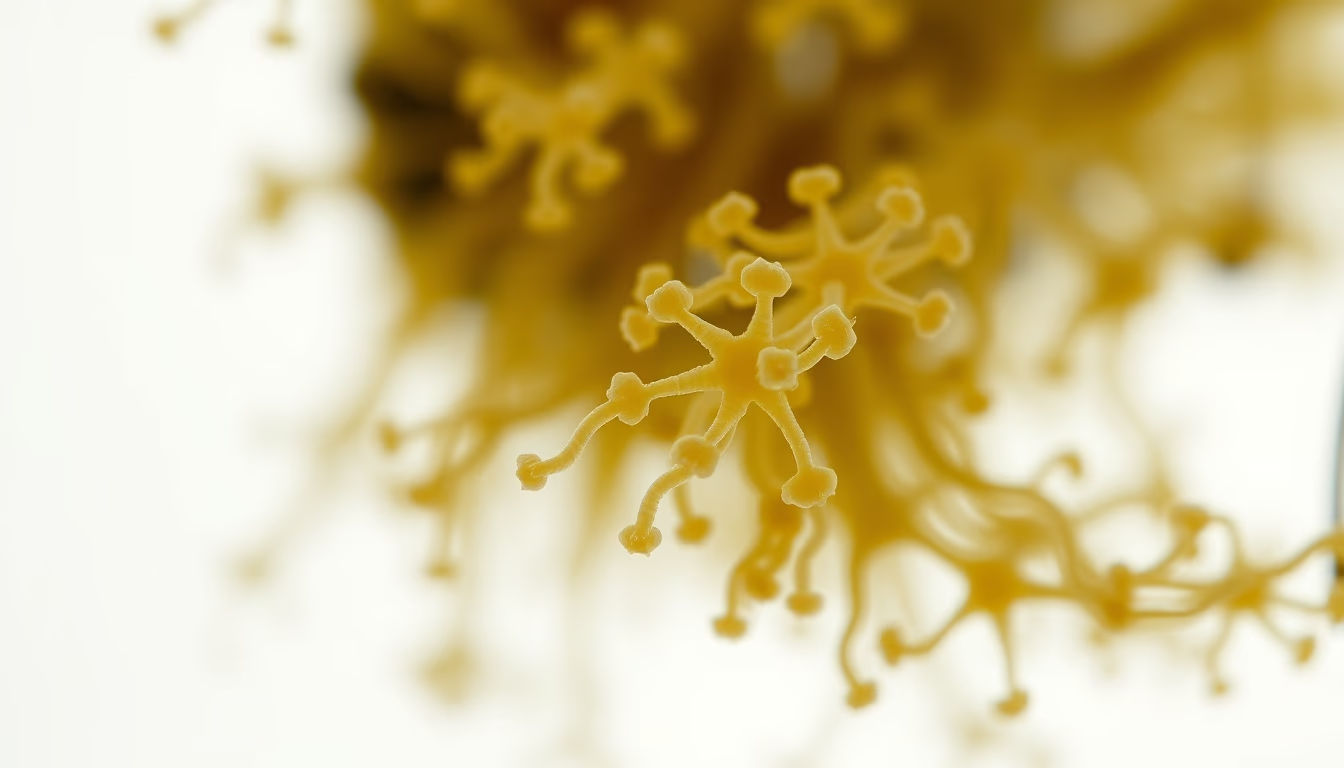
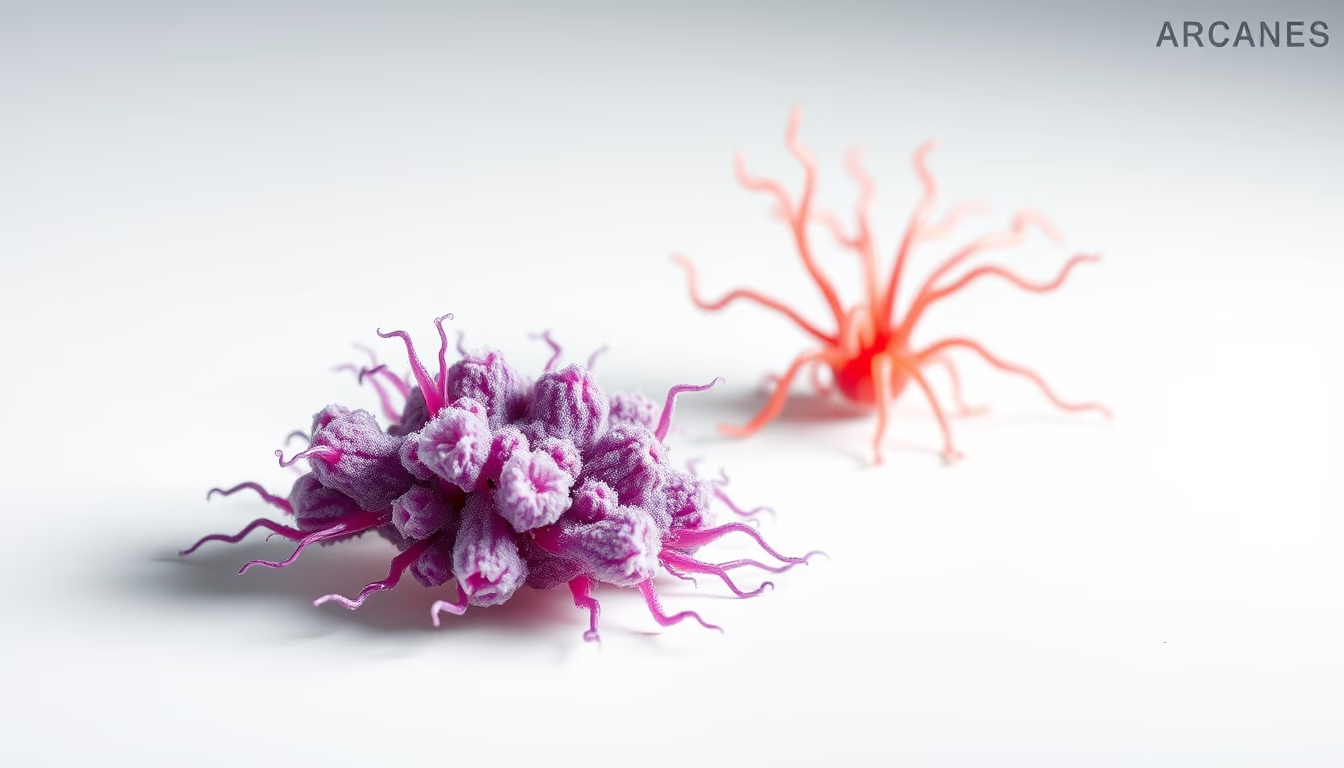
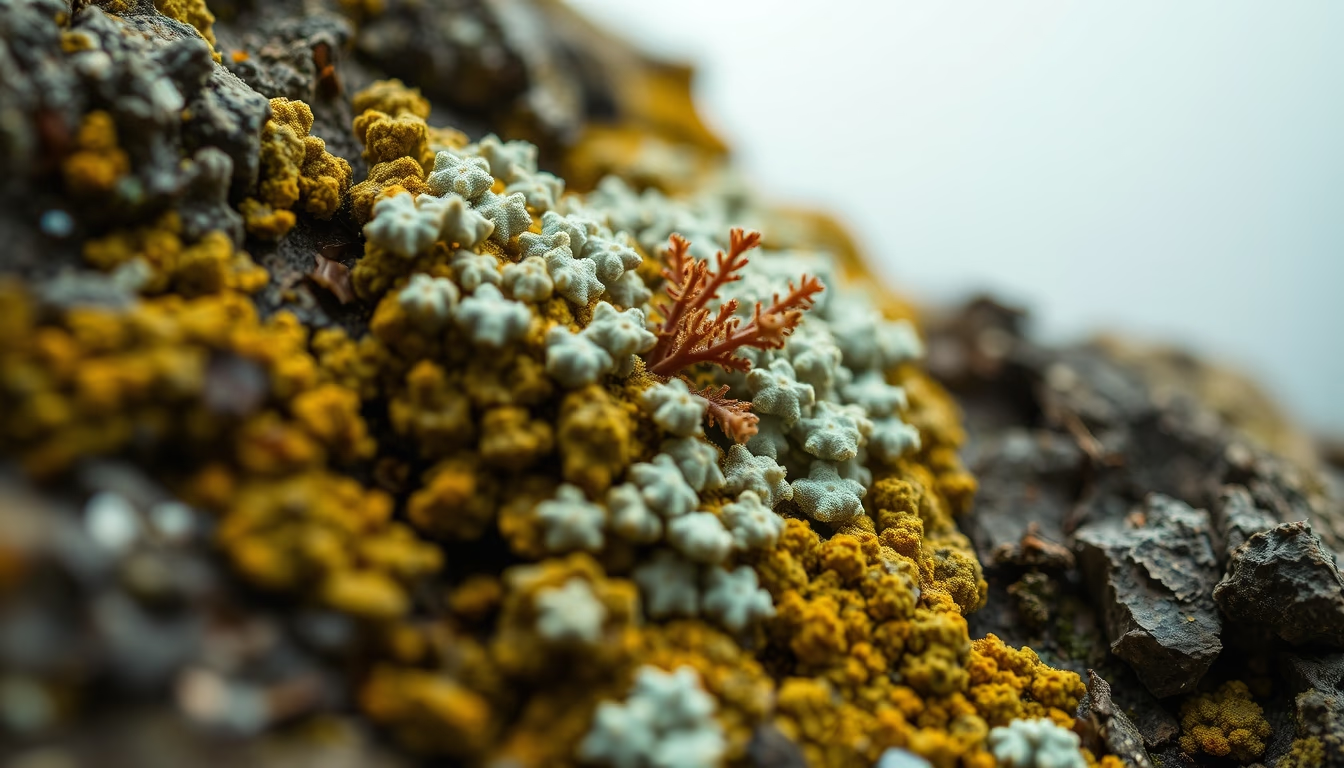
Fungi mycelium network
1344×768 · AVIF · CC BY 4.0
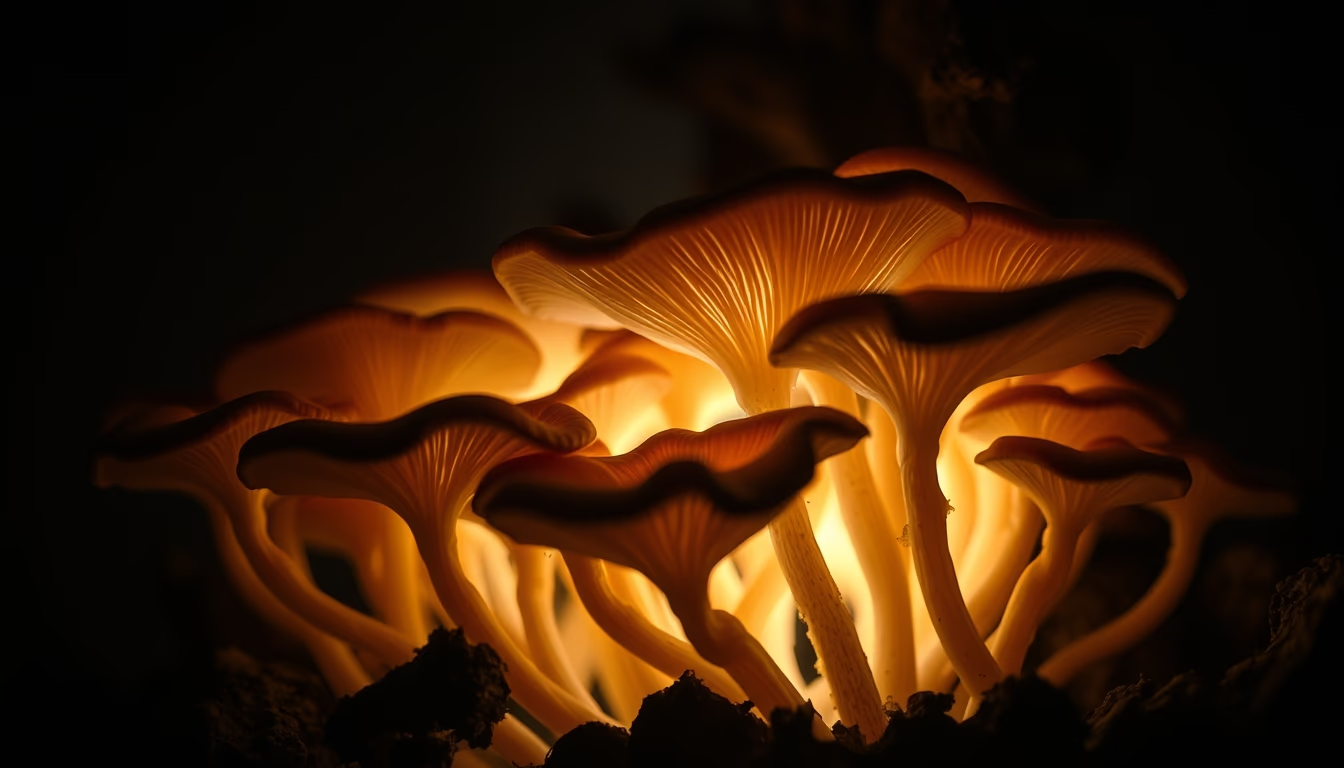
Fungal mycelium network: the underground web that connects plants, exchanges nutrients, and sustains forest ecosystems worldwide.
About this subject
Mycelium is the vegetative part of fungi, composed of an intricate network of filaments called hyphae. This underground structure can extend for kilometers, functioning as a communication and resource-sharing system among plants of different species. Scientific studies have revealed that through mycelium, trees exchange carbohydrates, water, and warning signals against pests, a phenomenon known as the 'Wood Wide Web'. This symbiotic network is mediated by mycorrhizal fungi, which associate with plant roots and enhance nutrient uptake, such as phosphorus and nitrogen, in exchange for sugars produced by photosynthesis.
In terms of scale, the largest living organism on Earth is a fungus of the species Armillaria ostoyae, whose mycelium covers about 9.6 km² in a forest in Oregon, USA. Its age is estimated at thousands of years, demonstrating the longevity and resilience of these networks. In Brazil, tropical forests like the Amazon host immense diversity of mycorrhizal fungi, essential for nutrient cycling in poor soils. The complexity of these interactions is still poorly understood, but research indicates that mycelium can store large amounts of carbon, contributing to climate regulation.
Beyond its ecological role, mycelium has promising biotechnological applications. It is used in enzyme production, bioremediation of contaminated soils, and even in manufacturing biodegradable packaging and vegan leather. Companies worldwide develop mycelium-based materials that replace plastics and animal leather, reducing environmental impacts. Understanding mycelial networks also inspires distributed computing models and decentralized communication systems, showing how nature can offer innovative solutions to technological challenges.
Frequently Asked Questions
What is mycelium and what is its main function?
Mycelium is the vegetative structure of fungi, composed of hyphae. Its main function is to absorb nutrients from the environment and form symbiotic networks with plants, facilitating resource exchange and communication.
How does mycelium contribute to forest health?
Mycelium connects tree roots, enabling transfer of water, sugars, and nutrients. It also transmits warning signals against pests and diseases, strengthening the resilience of the forest ecosystem.
Are there commercial applications of mycelium?
Yes. Mycelium is used to produce biodegradable packaging, vegan leather, lightweight construction materials, and in bioremediation of polluted soils. Companies like Ecovative and MycoWorks lead these innovations.
Direct URL
https://pub-c7d6a6ea828543ac903a74a341ccb2e1.r2.dev/imagens/fungi-mycelium-network-rembrandt-lighting-dramatic-shadows-fresh5.avifHow to credit
Include a visible link back to UtilizAí. Copy one of the snippets below:
<a href="https://xn--utiliza-eza.com/en/midia/imagens/fungi-mycelium-network-rembrandt-lighting-dramatic-shadows-fresh5">Fungi mycelium network</a> by <a href="https://xn--utiliza-eza.com">UtilizAí</a>, licensed under <a href="https://creativecommons.org/licenses/by/4.0/">CC BY 4.0</a>.
[Fungi mycelium network](https://xn--utiliza-eza.com/en/midia/imagens/fungi-mycelium-network-rembrandt-lighting-dramatic-shadows-fresh5) by [UtilizAí](https://xn--utiliza-eza.com), CC BY 4.0
License: CC-BY-4.0