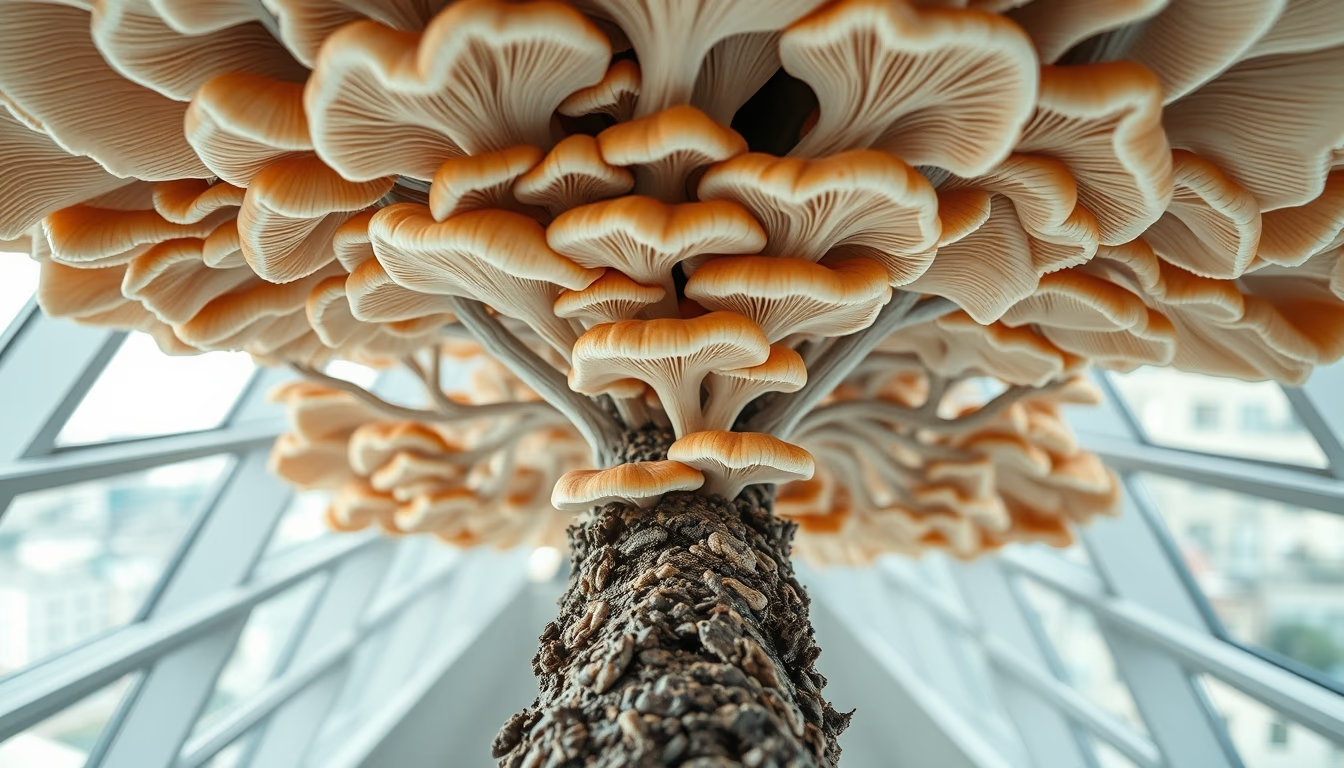
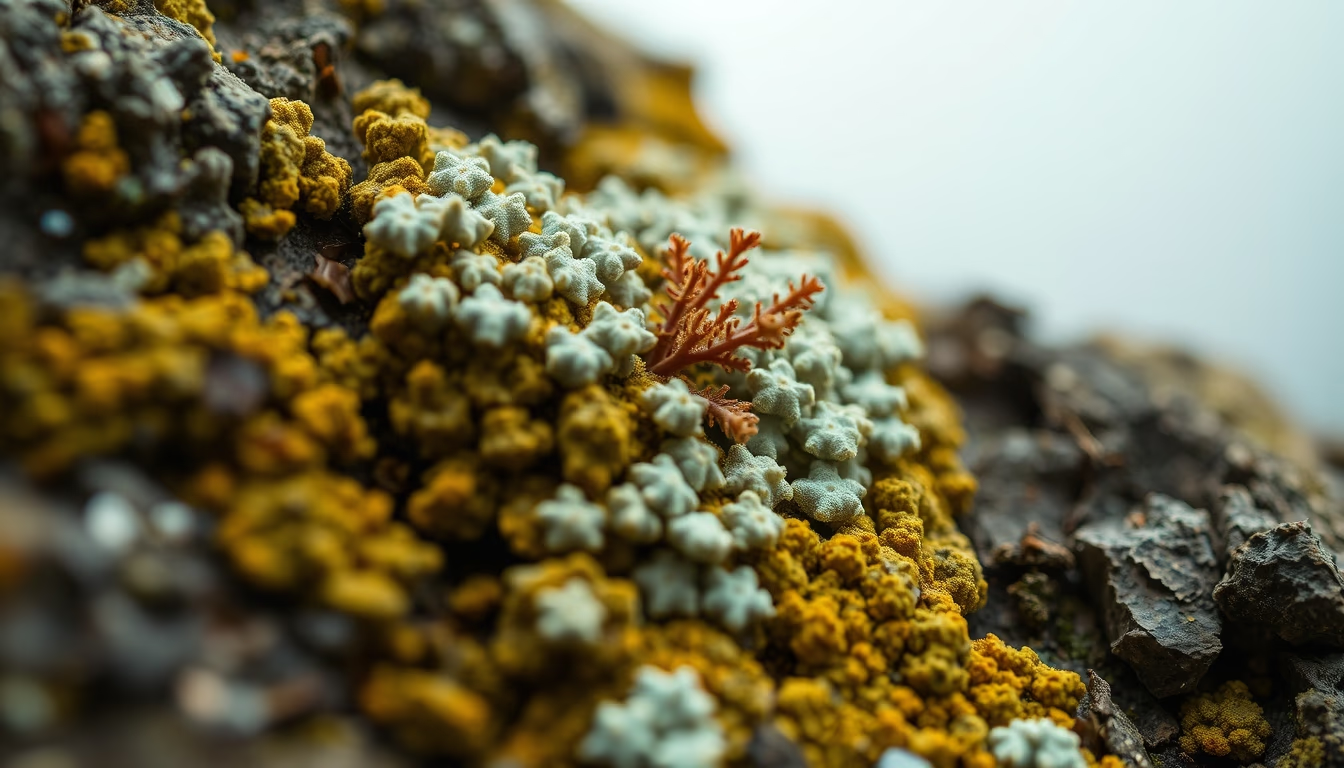
Fungi mycelium network
1344×768 · AVIF · CC BY 4.0
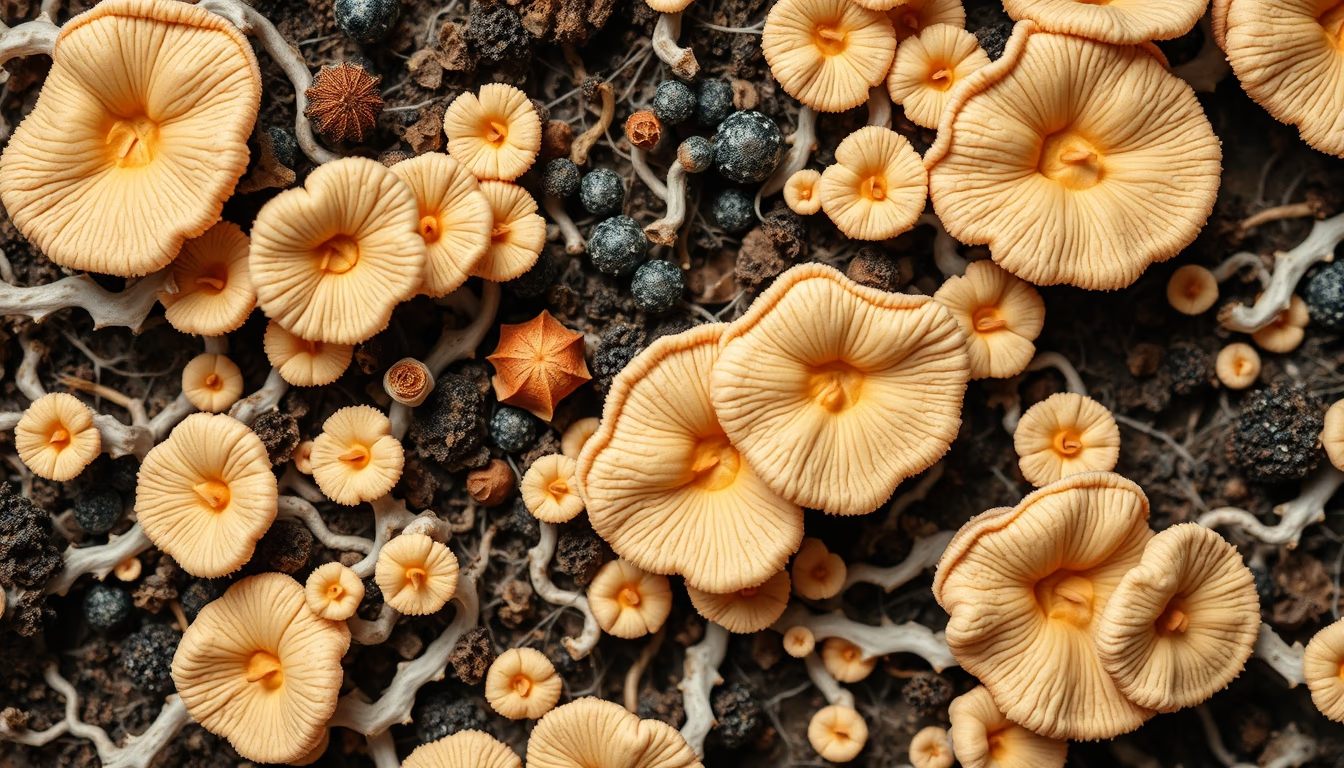
Fungal mycelium forms underground networks connecting plant roots, exchanging nutrients and sustaining entire ecosystems.
About this subject
Mycelium is the vegetative part of fungi, consisting of a complex network of thread-like hyphae. It grows in soil, wood, or other substrates and can extend over vast distances. It is estimated that under one square meter of soil there are about 50,000 kilometers of hyphae, more than the Earth's circumference. Mycelial networks enable fungi to decompose organic matter, recycling carbon and nitrogen. Additionally, they form symbiotic associations with about 90% of land plants, known as mycorrhizae. Through this partnership, fungi supply water and minerals to roots in exchange for carbohydrates produced by photosynthesis. This exchange is so efficient that scientists call mycelium the 'Wood Wide Web', as it connects trees and allows chemical communication between them. In biotechnology, mycelium is used to produce enzymes, antibiotics (e.g., penicillin), foods (mushrooms), and even sustainable materials like packaging and vegan leather. Certain fungi, such as those in the genus Armillaria, form the largest living organisms on Earth: a clone of Armillaria ostoyae in Oregon (USA) covers about 9.6 km² and is over 2,400 years old. The study of mycelium also inspires solutions for regenerative agriculture, bioremediation of contaminated soils, and development of natural fungicides.
Frequently Asked Questions
What is mycelium and what is its main function?
Mycelium is the vegetative part of fungi, composed of hyphae. Its main function is to absorb nutrients from the environment and decompose organic matter, as well as establish symbioses with plants.
How does mycelium connect to plants?
Mycelium envelops or penetrates plant roots, forming associations called mycorrhizae. Through these, fungi supply water and minerals while receiving carbohydrates.
Can mycelium be used in food or material production?
Yes. Mycelium is used to cultivate edible mushrooms, produce cheeses (e.g., Camembert), and create biodegradable packaging or vegan leather, such as Mylo.
Direct URL
https://pub-c7d6a6ea828543ac903a74a341ccb2e1.r2.dev/imagens/fungi-mycelium-network-isometric-flat-lay-fresh2.avifHow to credit
Include a visible link back to UtilizAí. Copy one of the snippets below:
<a href="https://xn--utiliza-eza.com/en/midia/imagens/fungi-mycelium-network-isometric-flat-lay-fresh2">Fungi mycelium network</a> by <a href="https://xn--utiliza-eza.com">UtilizAí</a>, licensed under <a href="https://creativecommons.org/licenses/by/4.0/">CC BY 4.0</a>.
[Fungi mycelium network](https://xn--utiliza-eza.com/en/midia/imagens/fungi-mycelium-network-isometric-flat-lay-fresh2) by [UtilizAí](https://xn--utiliza-eza.com), CC BY 4.0
License: CC-BY-4.0