Fungi mycelium network
1344×768 · AVIF · CC BY 4.0
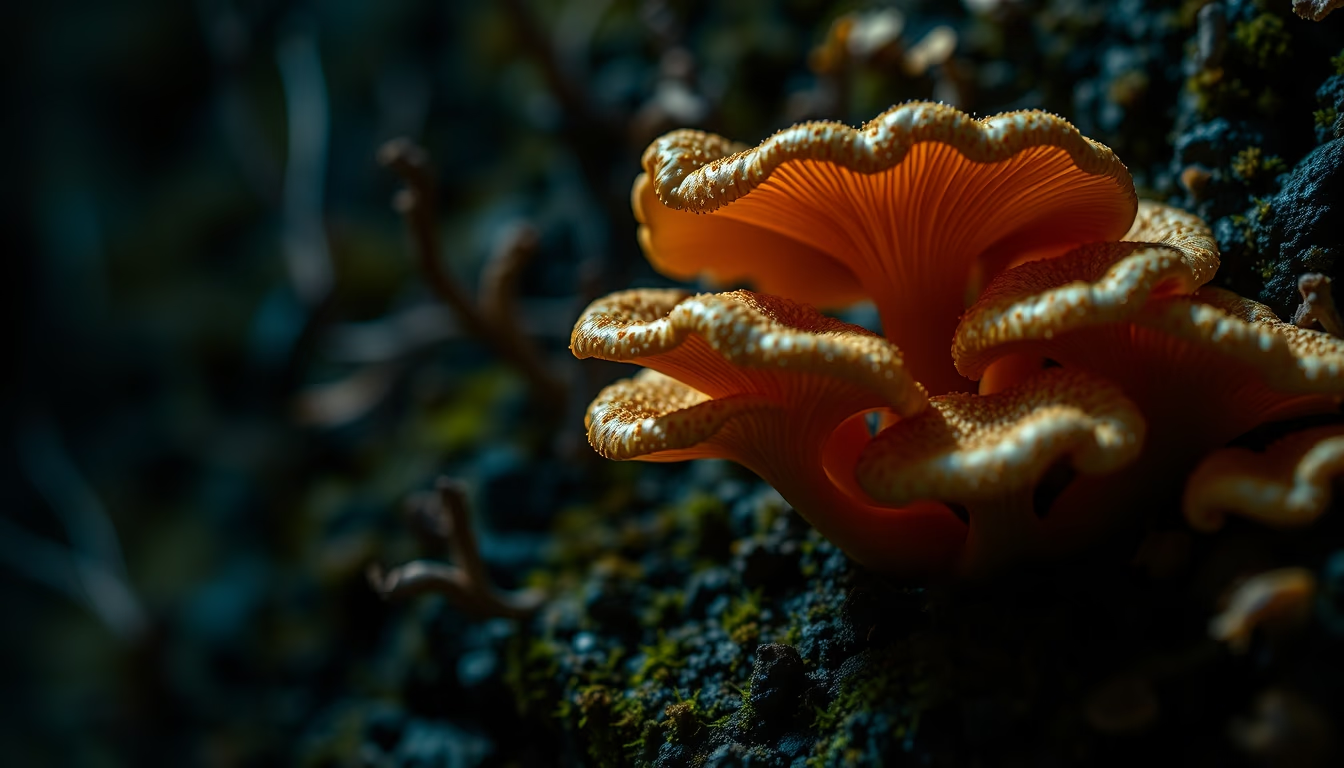
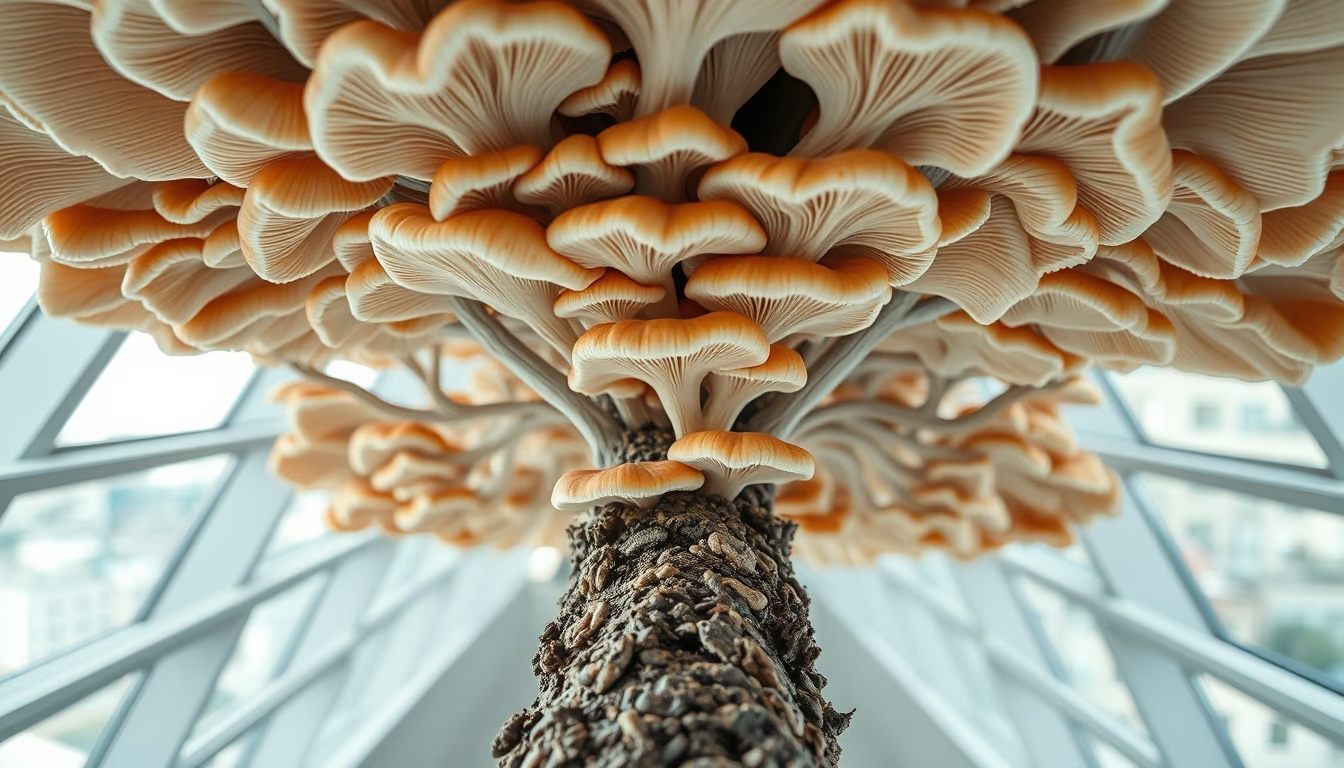
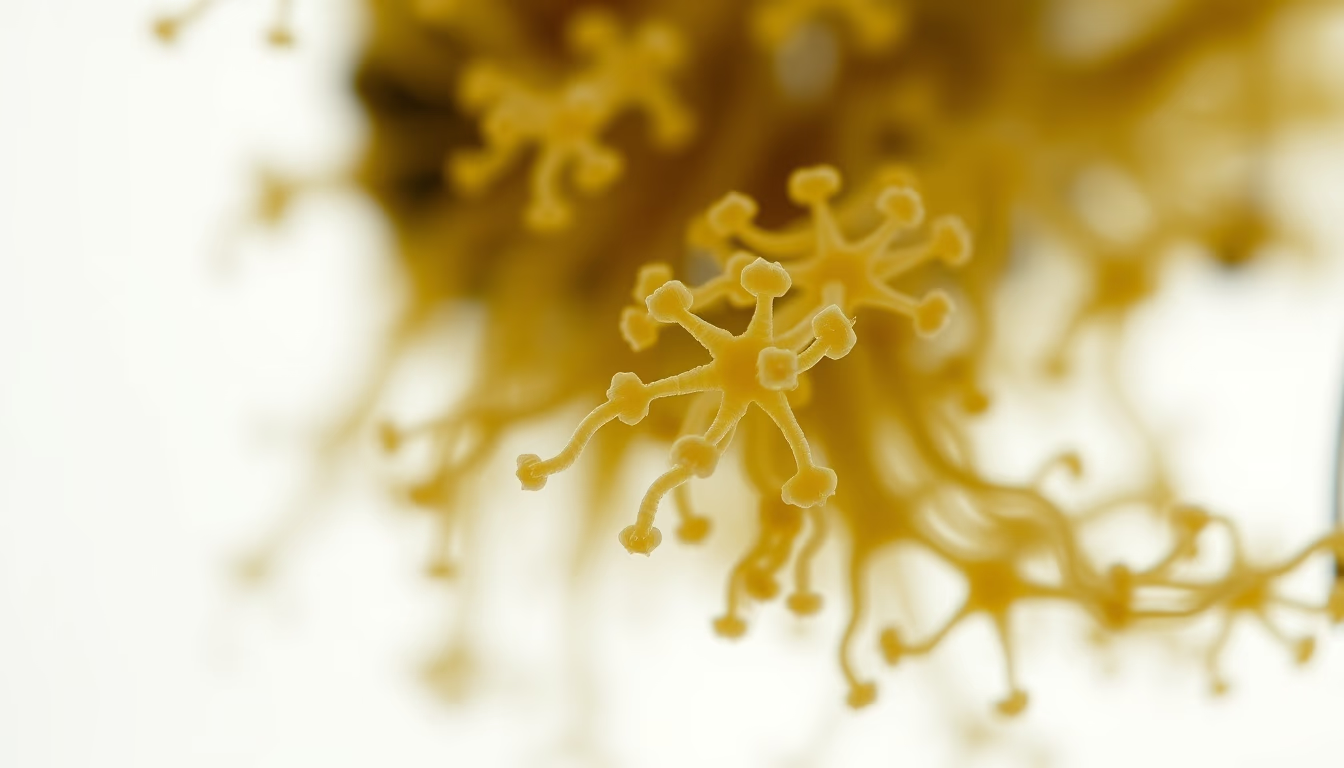
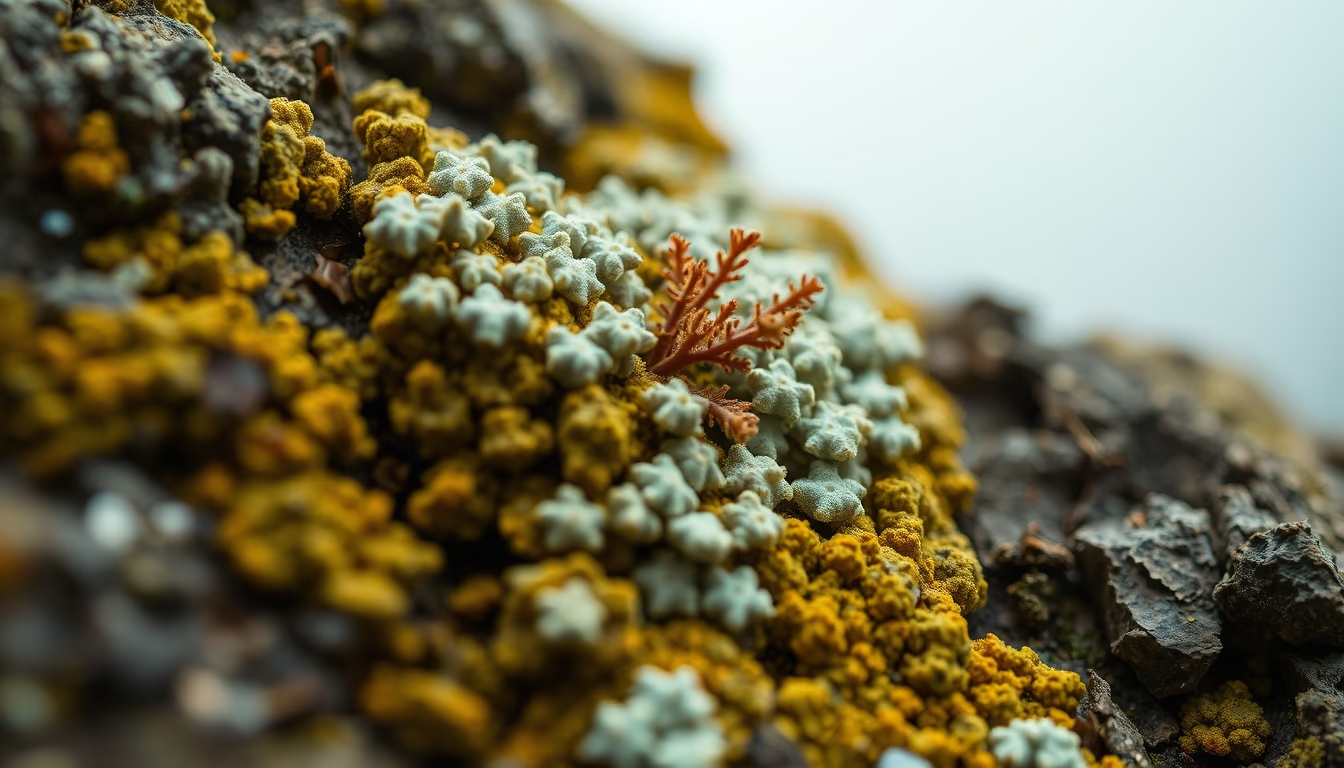
The fungal mycelium network is an underground system of hyphae that connects plants and transfers nutrients, essential for healthy ecosystems.
About this subject
Mycelium is the vegetative part of fungi, composed of an intricate network of thread-like structures called hyphae. This network can extend for meters or even kilometers underground, forming what scientists call the "Wood Wide Web," an analogy to a natural internet connecting plant roots. Mycelium acts as a communication and exchange system: it absorbs water and minerals from the soil and delivers them to plants in exchange for carbohydrates produced by photosynthesis. This symbiosis, known as mycorrhiza, is essential for the survival of about 90% of terrestrial plants.
Beyond its ecological role, mycelium has remarkable practical applications. It can be used in bioremediation to break down pollutants like oil and plastics, and in the production of sustainable materials such as packaging and vegan leather. One of the largest known living organisms is a fungus in Oregon's Malheur National Forest, with mycelium covering 9.6 square kilometers. This fungus, Armillaria ostoyae, has lived for thousands of years and exemplifies the scale that mycelial networks can achieve.
The branching structure and organic patterns of mycelium inspire artists and photographers seeking to capture the beauty of the microscopic world. Fine art photography on this subject reveals details resembling maps, webs, or vascular systems, highlighting the hidden complexity beneath our feet. Mycelium not only supports plant life but also challenges our perception of individuality: it dissolves boundaries between organisms, forming a cooperative network that is a true superorganism.
Frequently Asked Questions
What is mycelium?
Mycelium is the vegetative part of fungi, consisting of a network of thread-like hyphae. It grows in soil, wood, or other substrates, absorbing nutrients.
How does mycelium communicate with plants?
Mycelium forms symbiotic associations called mycorrhizae with plant roots. Through this network, it exchanges mineral nutrients for carbohydrates and can also transmit chemical signals between plants.
What is the largest living organism made of mycelium?
The largest known organism is a fungus of the species Armillaria ostoyae in Oregon, USA. Its mycelium covers about 9.6 km² and is estimated to be 2,400 to 8,650 years old.
Direct URL
https://pub-c7d6a6ea828543ac903a74a341ccb2e1.r2.dev/imagens/fungi-mycelium-network-fine-art-photography-fresh12.avifHow to credit
Include a visible link back to UtilizAí. Copy one of the snippets below:
<a href="https://xn--utiliza-eza.com/en/midia/imagens/fungi-mycelium-network-fine-art-photography-fresh12">Fungi mycelium network</a> by <a href="https://xn--utiliza-eza.com">UtilizAí</a>, licensed under <a href="https://creativecommons.org/licenses/by/4.0/">CC BY 4.0</a>.
[Fungi mycelium network](https://xn--utiliza-eza.com/en/midia/imagens/fungi-mycelium-network-fine-art-photography-fresh12) by [UtilizAí](https://xn--utiliza-eza.com), CC BY 4.0
License: CC-BY-4.0