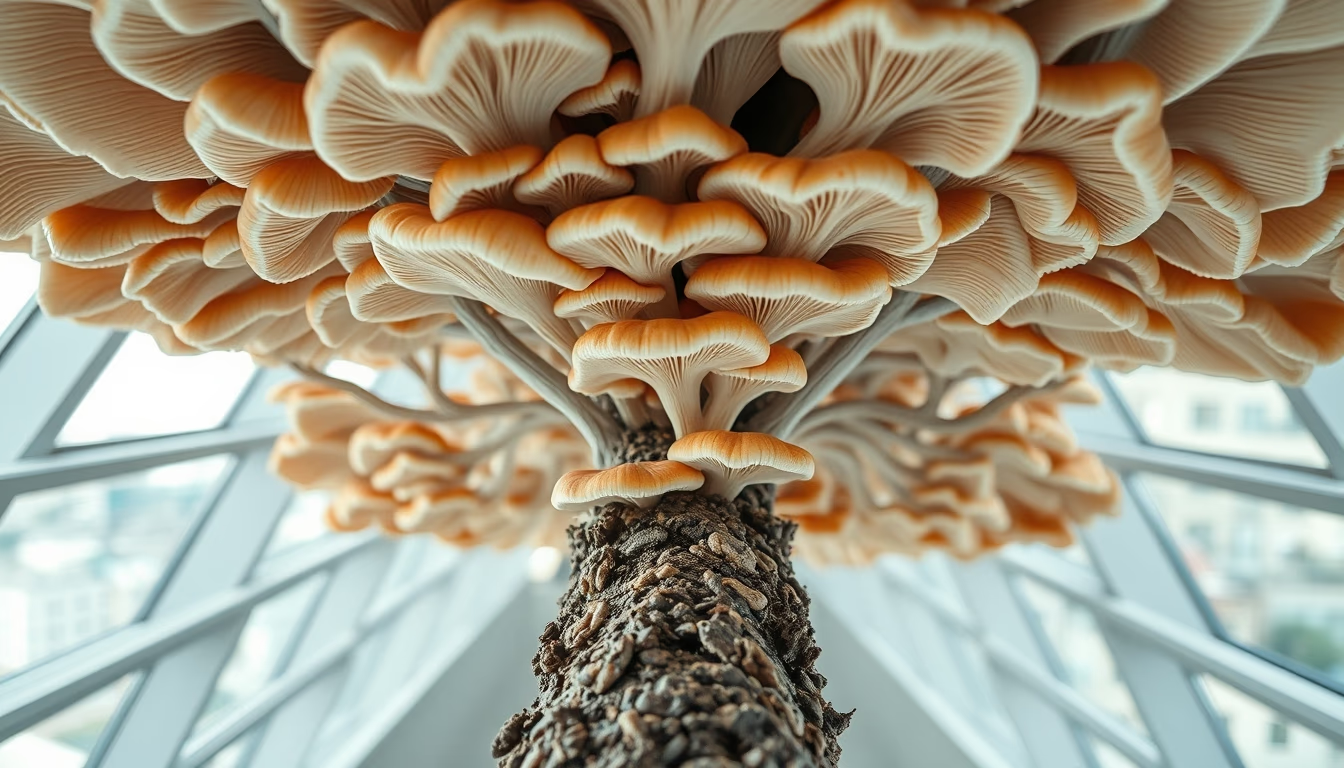
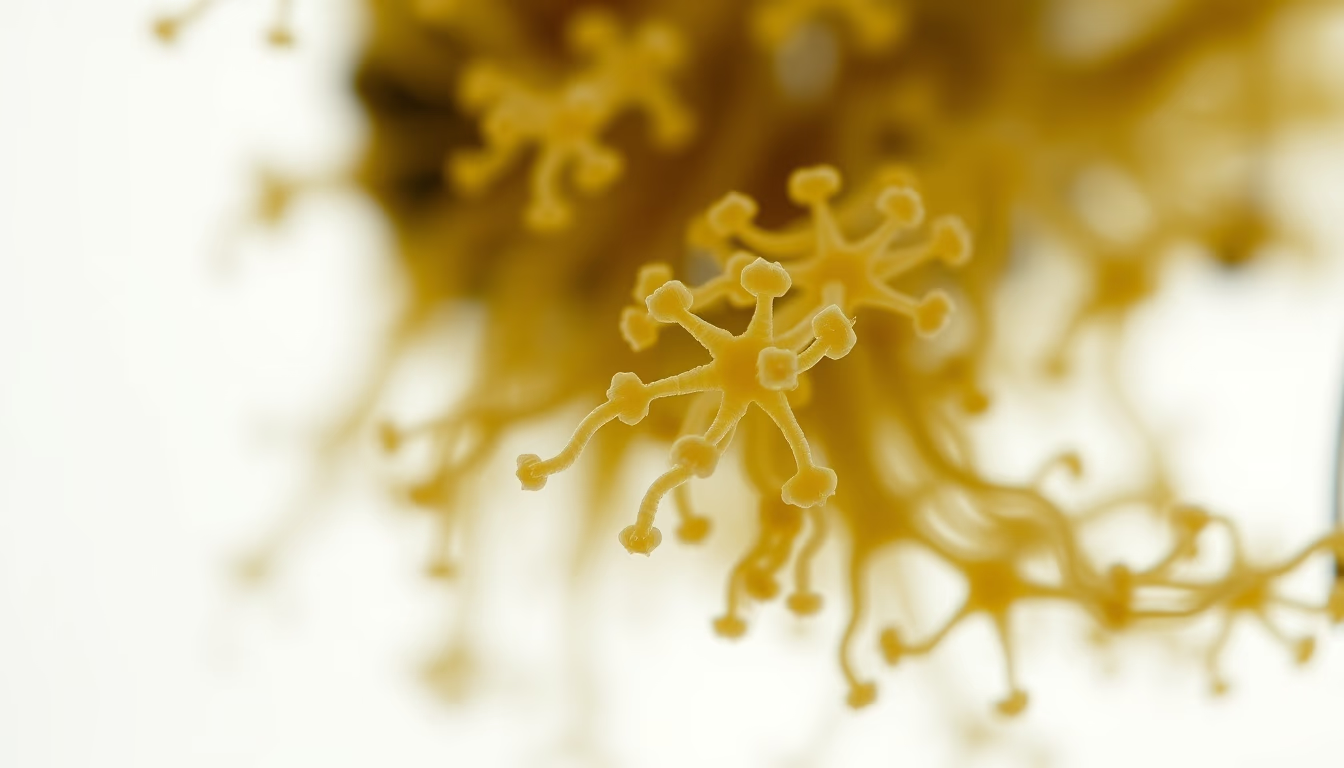
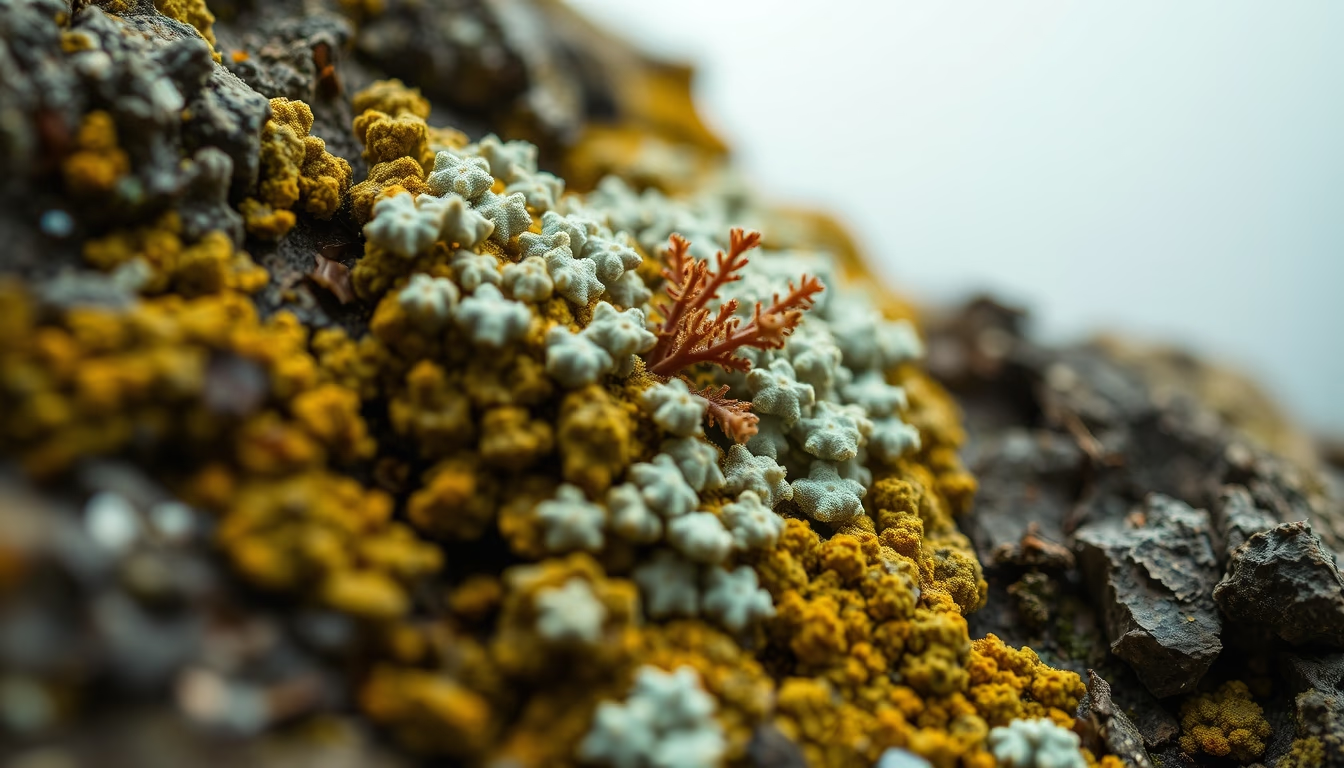
Fungi mycelium network
1344×768 · AVIF · CC BY 4.0
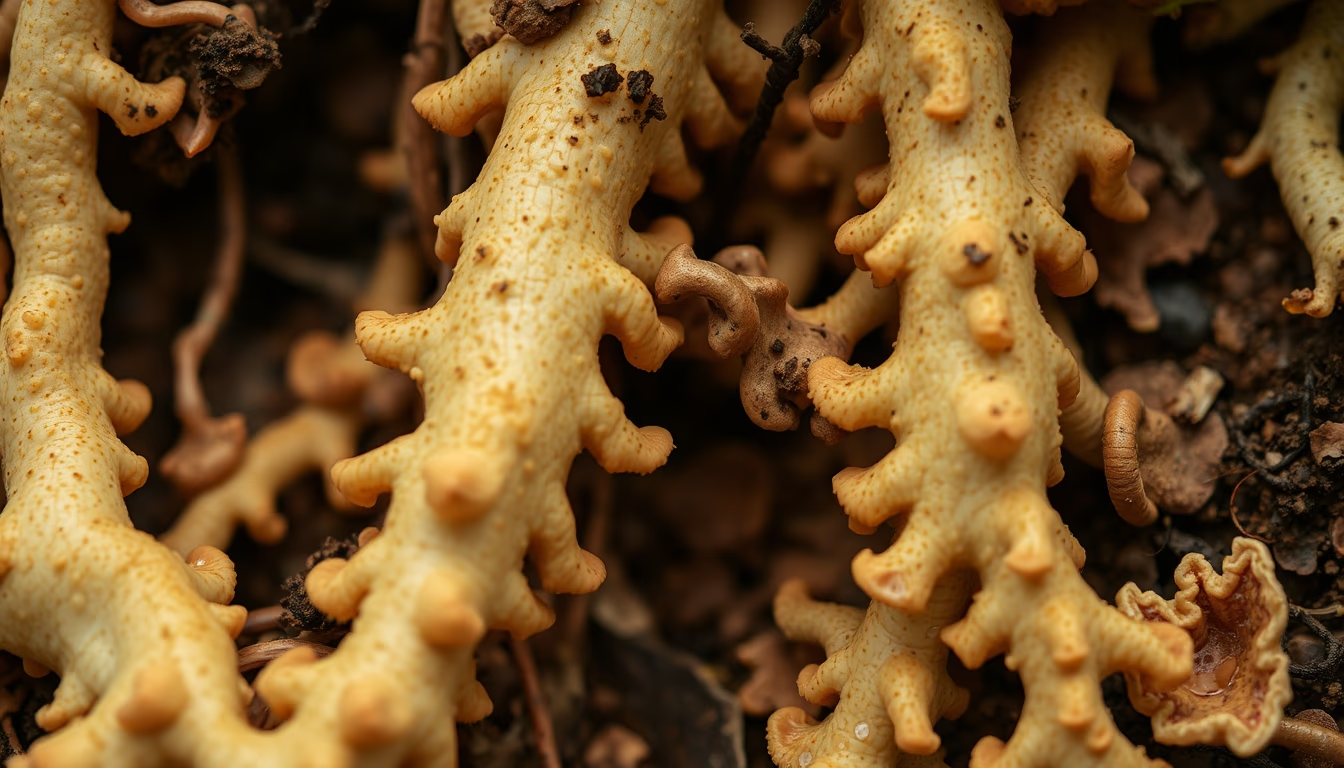
Fungal mycelium networks are underground structures that connect plants and ecosystems, acting as nature's 'internet'.
About this subject
Mycelium is the vegetative part of fungi, composed of a mass of thread-like filaments called hyphae. These hyphae branch and intertwine in the soil, forming extensive networks that can cover hectares. Known as mycorrhizal networks, they establish symbioses with the roots of most terrestrial plants, allowing the exchange of nutrients such as phosphorus and nitrogen for carbohydrates produced by photosynthesis.
One of the most fascinating discoveries is that these networks function as a communication system among plants. Through the mycelium, neighboring trees can share resources, warn each other about pests or environmental stress, and even transfer carbon to shaded seedlings. This phenomenon has been popularized as the 'Wood Wide Web', drawing parallels to the internet.
Beyond its ecological role, mycelium has practical applications. It is used in bioremediation to break down pollutants, in the production of industrial enzymes, and as a sustainable material for packaging and vegan leather. A colony of Armillaria ostoyae in Oregon, USA, is estimated to cover about 9.6 km², making it one of the largest living organisms on Earth.
Frequently Asked Questions
How does the mycelium connect to plants?
Mycelium hyphae wrap around or penetrate plant root cells, forming a symbiotic association called mycorrhiza. Through this, essential nutrients are exchanged between the two organisms.
How large can a mycelium network get?
Mycelium networks can extend over square kilometers. The largest known organism is a fungus of the species Armillaria ostoyae in Oregon, USA, covering about 9.6 km² and estimated to be thousands of years old.
Can mycelium help with soil fertility?
Yes. Mycelium improves soil structure by aggregating particles, increases water retention, and makes nutrients available for plants. It also participates in the decomposition of organic matter, recycling carbon and nitrogen.
Direct URL
https://pub-c7d6a6ea828543ac903a74a341ccb2e1.r2.dev/imagens/fungi-mycelium-network-documentary-nature-style-fresh15.avifHow to credit
Include a visible link back to UtilizAí. Copy one of the snippets below:
<a href="https://xn--utiliza-eza.com/en/midia/imagens/fungi-mycelium-network-documentary-nature-style-fresh15">Fungi mycelium network</a> by <a href="https://xn--utiliza-eza.com">UtilizAí</a>, licensed under <a href="https://creativecommons.org/licenses/by/4.0/">CC BY 4.0</a>.
[Fungi mycelium network](https://xn--utiliza-eza.com/en/midia/imagens/fungi-mycelium-network-documentary-nature-style-fresh15) by [UtilizAí](https://xn--utiliza-eza.com), CC BY 4.0
License: CC-BY-4.0