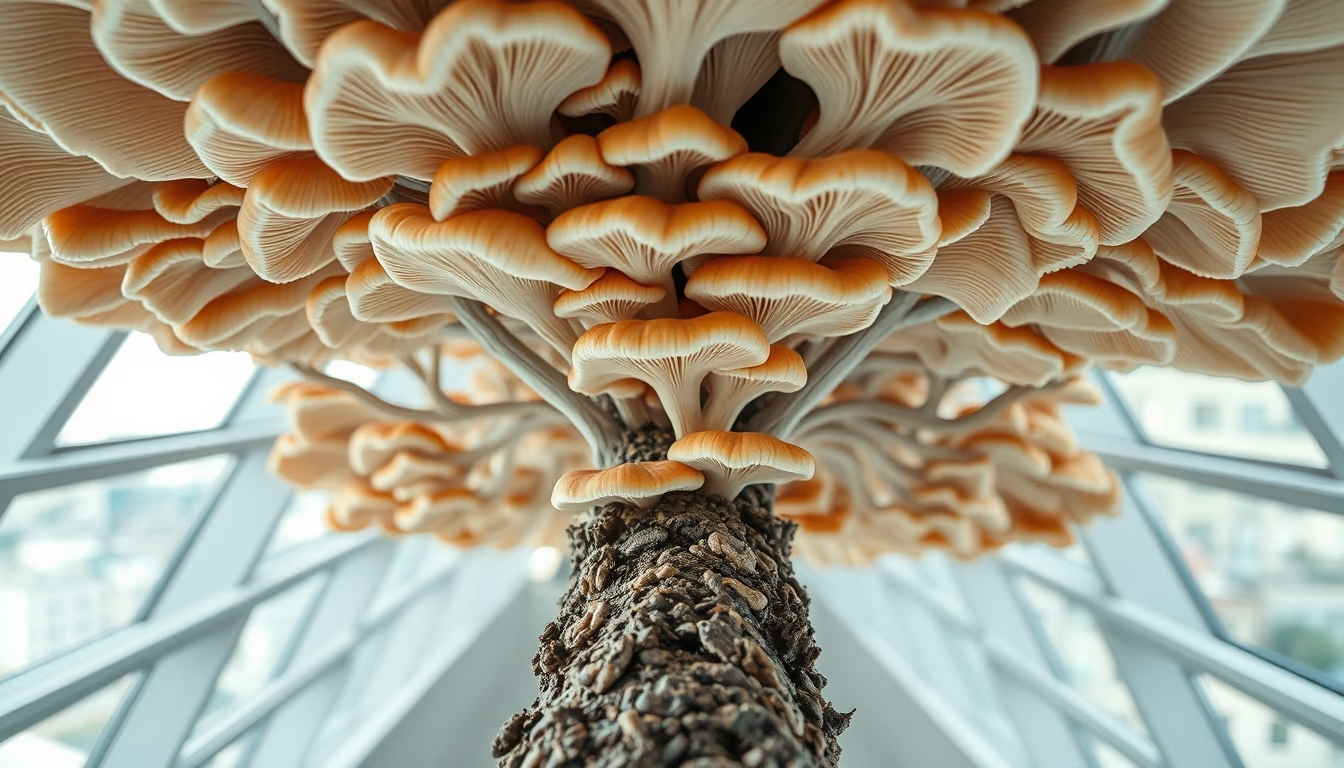
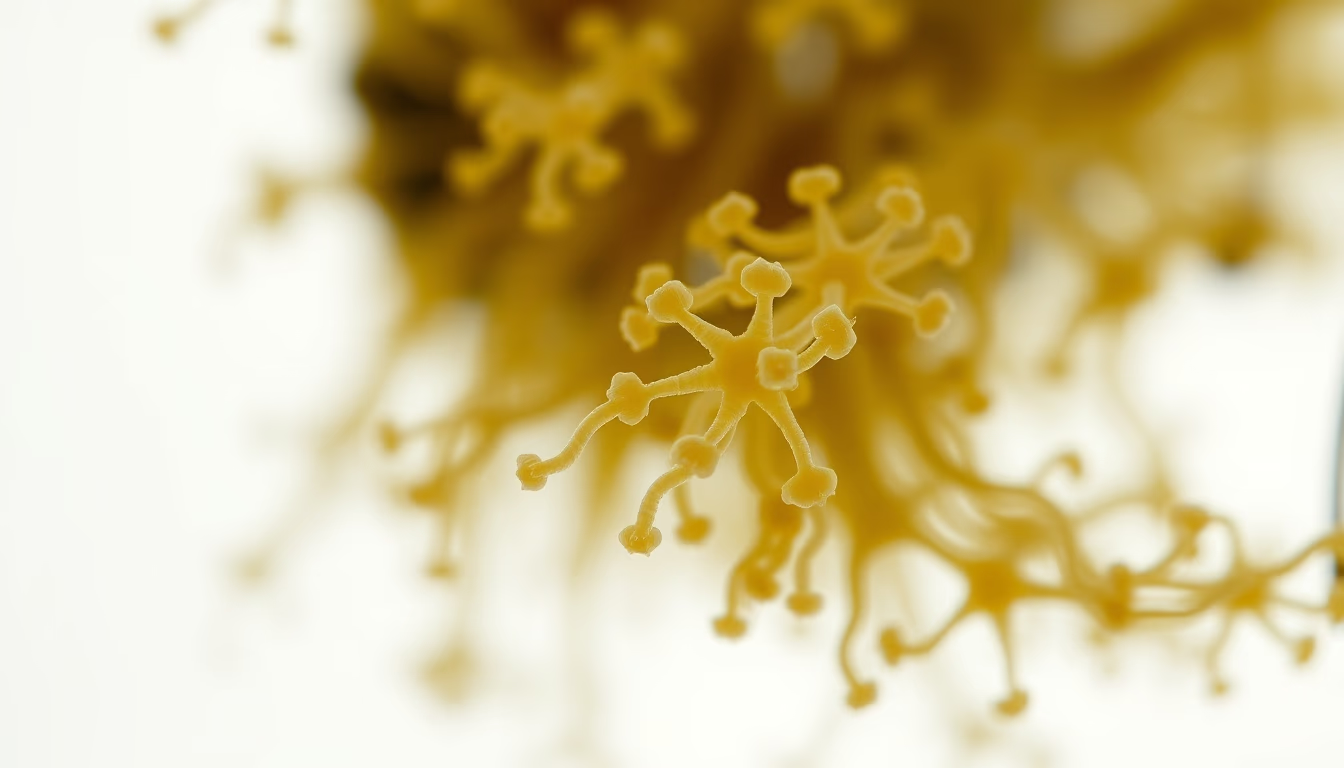
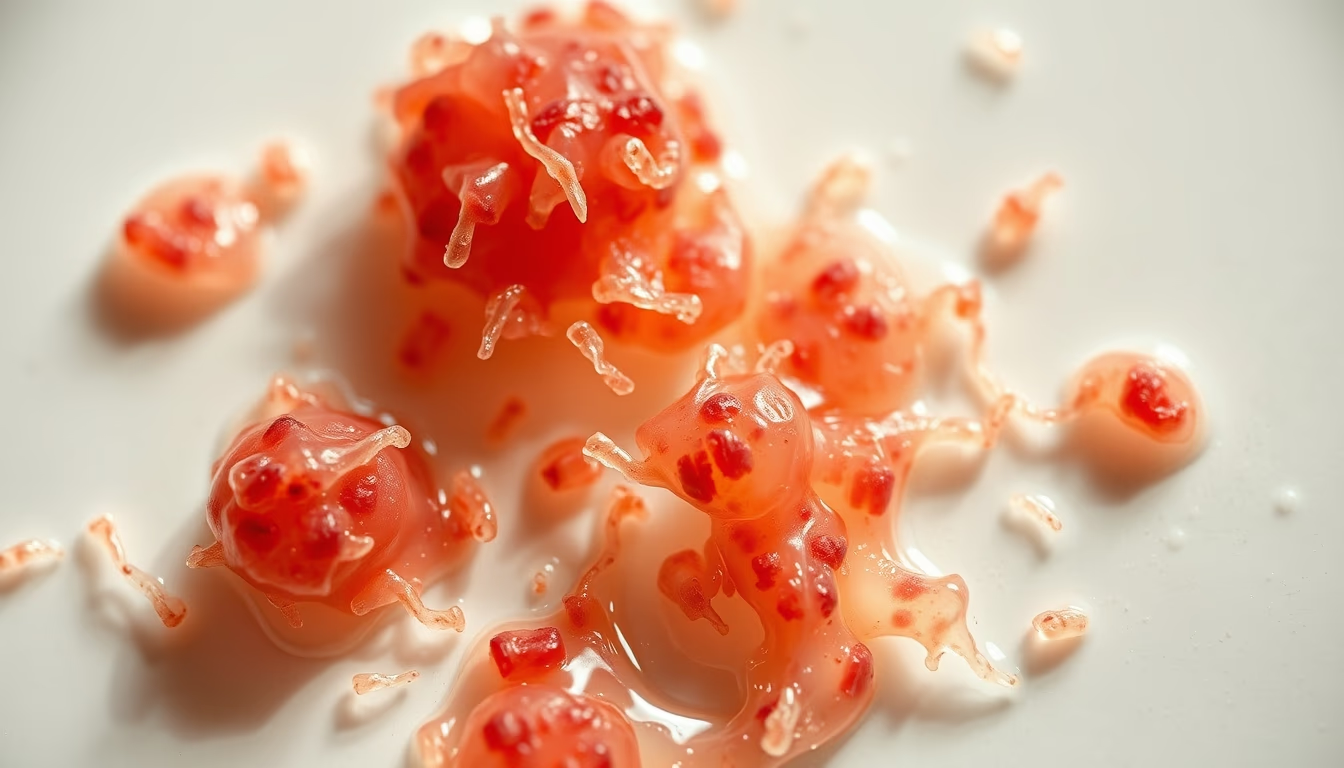
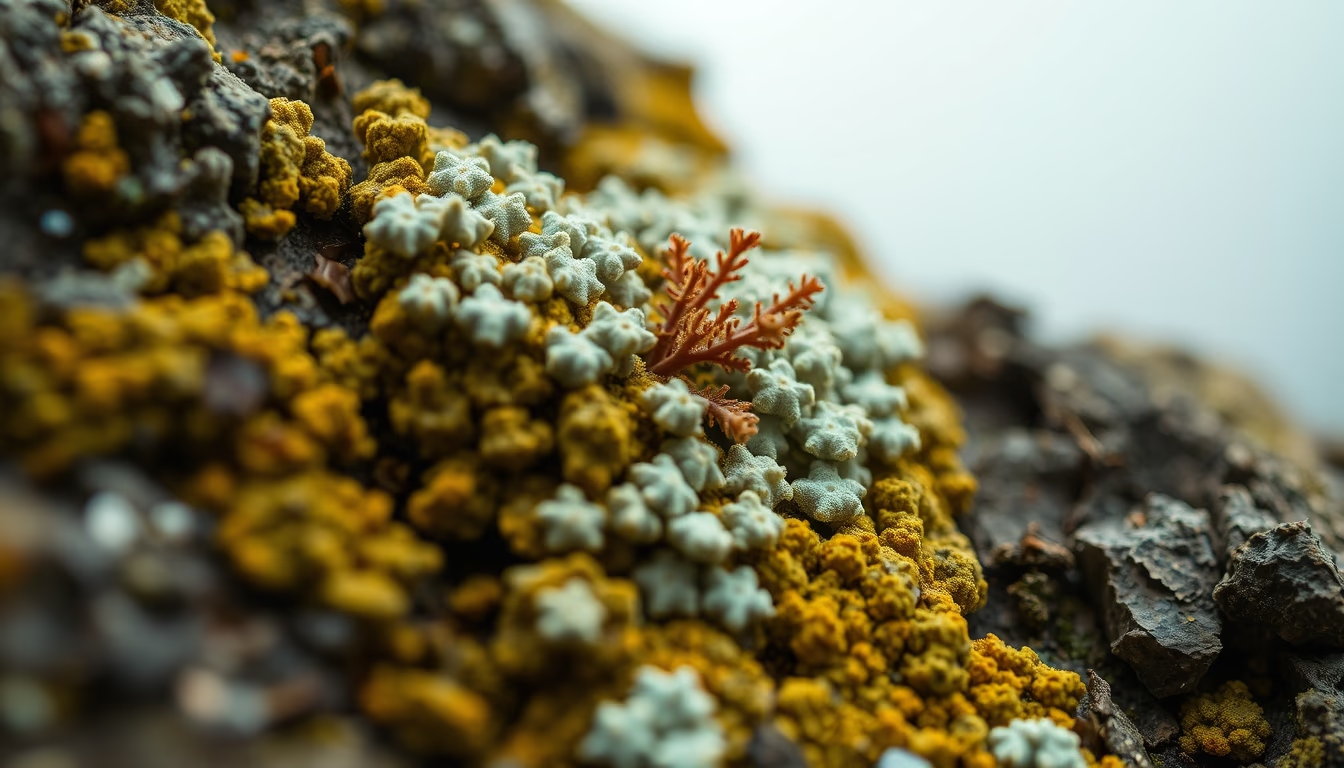
Fungi mycelium network
1344×768 · AVIF · CC BY 4.0
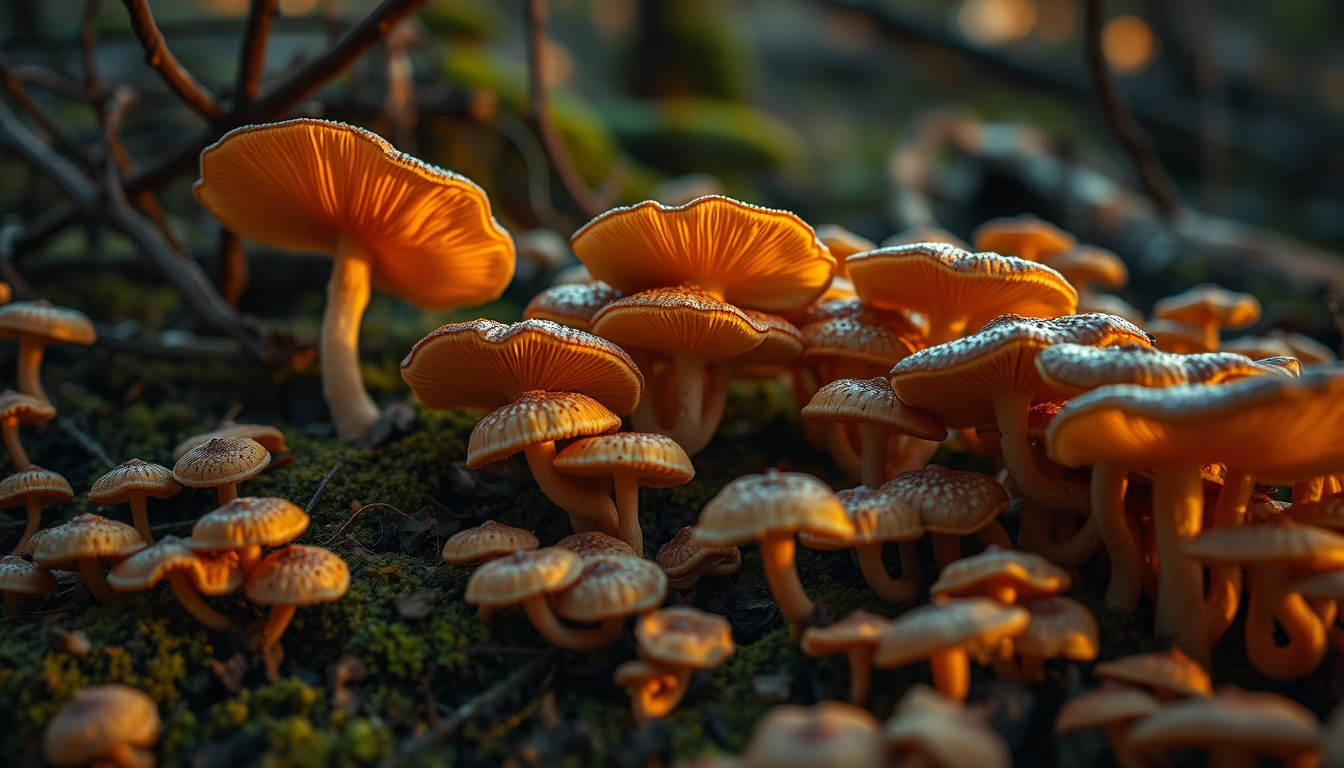
Mycelium forms a vast underground network that connects plants, recycles nutrients, and sustains life in forest soils.
About this subject
Mycelium is the vegetative structure of fungi, composed of microscopic filaments called hyphae. These hyphae extend through soil, forming an intricate web that can cover vast areas. Unlike mushrooms, which are only temporary fruiting bodies, mycelium is the permanent, metabolically active part of the fungus, responsible for nutrient absorption and decomposition of organic matter.
Ecologically, mycelium plays a central role as the "Wood Wide Web," a network of communication and exchange between plants. It is estimated that about 80% of terrestrial plants form mycorrhizal associations with fungi, in which mycelium provides water and minerals in exchange for carbohydrates. Additionally, mycelium decomposes wood and other debris, releasing carbon and essential nutrients into the soil. A single gram of soil can contain kilometers of hyphae.
Humanity harnesses mycelium in various ways. In bioremediation, fungi such as Pleurotus ostreatus are used to degrade pollutants, including oil and pesticides, in processes known as mycoremediation. In industry, mycelium is cultivated to produce sustainable materials like packaging, vegan leather, and thermal insulation, which replace plastics and animal leather. In medicine, fungi of the genus Penicillium were the source of the first antibiotic, penicillin.
A notable curiosity: the largest living organism on Earth is a mycelium of Armillaria ostoyae, located in Oregon, USA, which spans about 9 km² and is estimated to be thousands of years old. This superorganism demonstrates the longevity and adaptive capacity of mycelium networks in natural ecosystems.
Frequently Asked Questions
What is a mycelium network?
A mycelium network is the structure of filaments (hyphae) that constitutes the body of a fungus, growing in soil or organic matter and connecting plants and microorganisms.
How does mycelium help plants?
Mycelium forms mycorrhizal associations with roots, increasing the absorption of water and nutrients like phosphorus and nitrogen in exchange for carbohydrates produced by photosynthesis.
Can mycelium be used to clean pollution?
Yes, the technique called mycoremediation uses fungi to degrade pollutants such as oil, plastics, and pesticides, transforming them into less toxic compounds.
Direct URL
https://pub-c7d6a6ea828543ac903a74a341ccb2e1.r2.dev/imagens/fungi-mycelium-network-cinematic-wide-shot-fresh7.avifHow to credit
Include a visible link back to UtilizAí. Copy one of the snippets below:
<a href="https://xn--utiliza-eza.com/en/midia/imagens/fungi-mycelium-network-cinematic-wide-shot-fresh7">Fungi mycelium network</a> by <a href="https://xn--utiliza-eza.com">UtilizAí</a>, licensed under <a href="https://creativecommons.org/licenses/by/4.0/">CC BY 4.0</a>.
[Fungi mycelium network](https://xn--utiliza-eza.com/en/midia/imagens/fungi-mycelium-network-cinematic-wide-shot-fresh7) by [UtilizAí](https://xn--utiliza-eza.com), CC BY 4.0
License: CC-BY-4.0