French press steeping
1344×768 · AVIF · CC BY 4.0
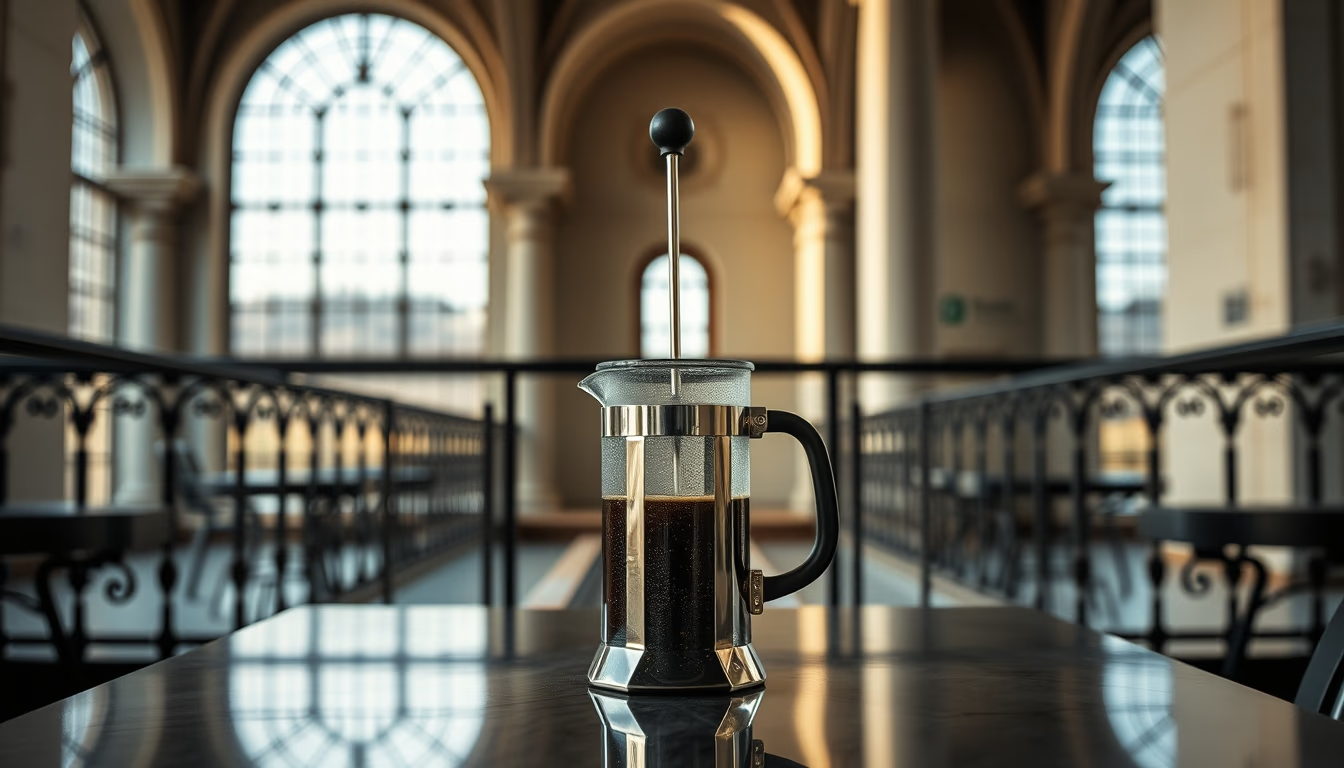
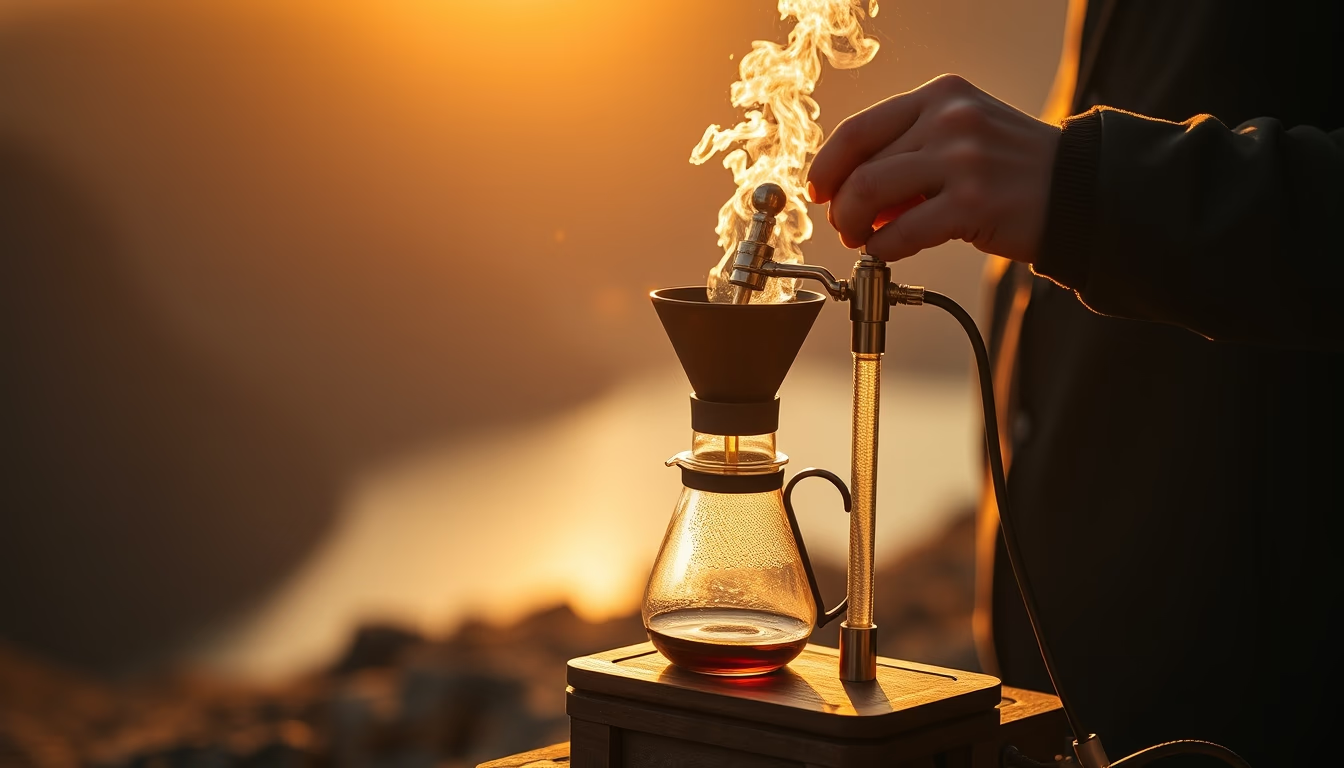
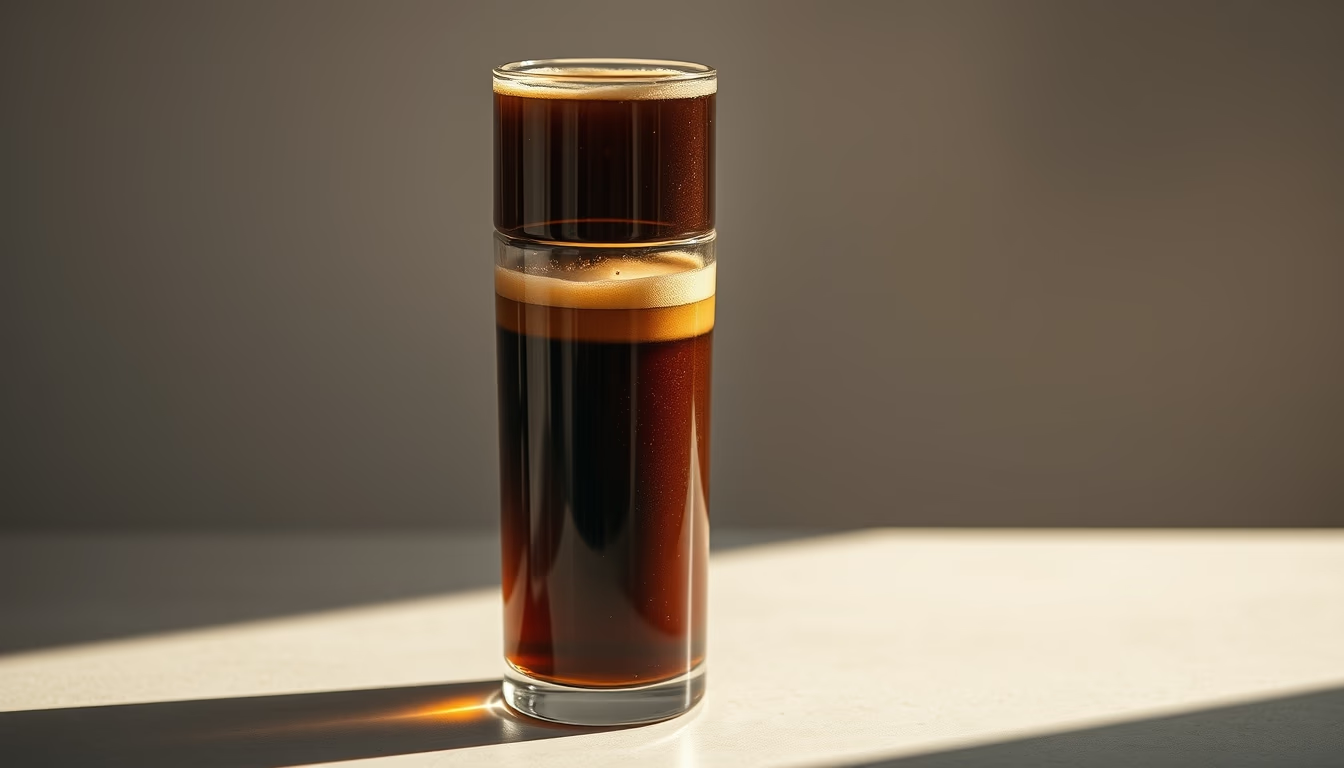
French press steeping extracts bold flavors by keeping coffee grounds in contact with hot water for minutes, releasing essential oils and fine particles.
About this subject
The French press, invented by Attilio Calimani in 1929, is one of the most popular manual coffee brewing methods. Its principle is simple: coarsely ground coffee is immersed in hot water for a controlled period, called steeping, then separated by a plunger with a metal mesh filter. Steeping efficiently extracts essential oils from the bean, resulting in a full-bodied, aromatic beverage.
Steeping time is crucial. Four minutes is the standard recommendation for coarse grind, but adjustments can be made: longer times extract more bitter compounds, while shorter times preserve acidity and sweetness. Water temperature between 93 and 96 degrees Celsius also influences the final profile. Unlike paper-filtered methods, the French press retains fine particles and oils, giving a denser body.
A curiosity: the French press is not exclusive to coffee. Many teas, especially large-leaf varieties, are brewed with it, allowing controlled extraction and easy leaf separation. The grind should be coarse and uniform; fine grinds clog the filter and leave sediment in the cup. Modern French presses use borosilicate glass and stainless steel for better heat insulation.
Culturally, the French press represents the artisanal coffee movement and the appreciation of manual methods. Its minimalist aesthetics and geometric lines make it a frequent subject in architectural and interior design photography. The image captures the ritual of slow brewing, blending science and art, and reflects the global trend of enjoying coffee as a sensory experience.
Frequently Asked Questions
What is the ideal steeping time for a French press?
Generally 4 minutes for coarse grind. For a milder cup, reduce to 3 minutes; for a bolder cup, extend to 5 minutes, but watch for bitterness.
Is a French press suitable for all types of coffee?
Yes, but it is especially recommended for medium to dark roasts, which enhance oils and full-bodied flavors. Light roasts may taste more acidic.
How to avoid bitter taste in French press coffee?
Use water at 93-96 degrees Celsius, not boiling. Avoid a very fine grind, and press the plunger immediately after steeping to prevent over-extraction.
Direct URL
https://pub-c7d6a6ea828543ac903a74a341ccb2e1.r2.dev/imagens/french-press-steeping-architectural-photography-p2.avifHow to credit
Include a visible link back to UtilizAí. Copy one of the snippets below:
<a href="https://xn--utiliza-eza.com/en/midia/imagens/french-press-steeping-architectural-photography-p2">French press steeping</a> by <a href="https://xn--utiliza-eza.com">UtilizAí</a>, licensed under <a href="https://creativecommons.org/licenses/by/4.0/">CC BY 4.0</a>.
[French press steeping](https://xn--utiliza-eza.com/en/midia/imagens/french-press-steeping-architectural-photography-p2) by [UtilizAí](https://xn--utiliza-eza.com), CC BY 4.0
License: CC-BY-4.0