French horn polished brass
1344×768 · AVIF · CC BY 4.0
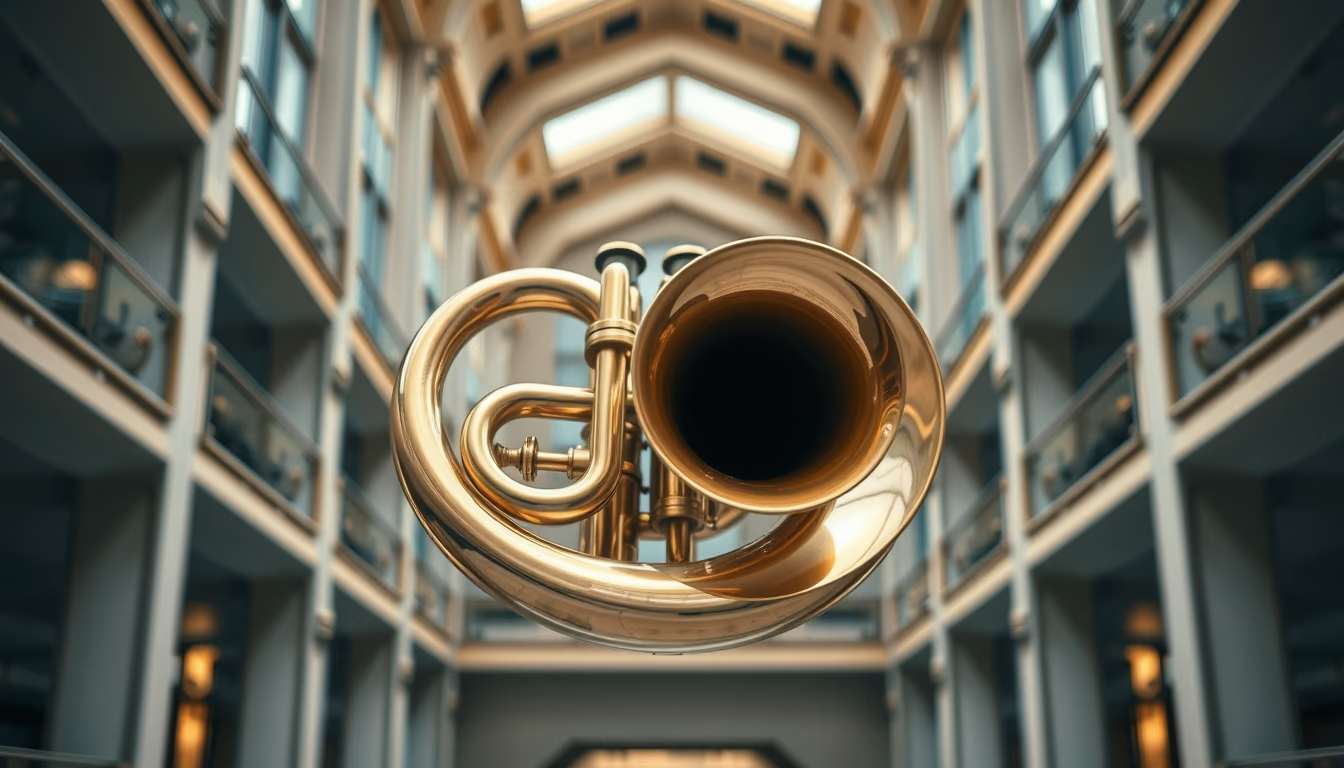
The polished brass French horn is one of the most iconic instruments in symphony orchestras, known for its majestic sound and complex technique.
About this subject
The French horn, often simply called the horn, is a brass instrument with a rich history dating back to hunting horns in 17th-century Europe. It evolved into its modern form with rotary valves in the 19th century, enabling chromatic flexibility. The instrument consists of a long, polished brass tube coiled into a circular shape, totaling about 12 to 13 feet when uncoiled. This design not only makes handling easier but also enhances resonance and projection.
Polished brass is a traditional material for French horns, valued for its durability and acoustic properties. The reflective surface is not merely decorative; it helps sound waves travel efficiently and maintains the instrument's bright yet warm timbre. Brass offers a unique balance between brilliance and warmth, which defines the horn's characteristic sound. Professional musicians spend considerable time cleaning and polishing to preserve both appearance and performance.
In the orchestra, the French horn is remarkably versatile: it can deliver heroic brass fanfares or blend seamlessly with woodwinds in lyrical passages. Its range of about four octaves and ability to produce natural harmonics make it one of the most expressive brass instruments. However, it requires exceptional control of embouchure and air support, making it notoriously difficult to master. Composers from Mozart to Mahler have exploited its dynamic and emotional capabilities.
Often confused with the trumpet or cornet, the French horn is distinguished by its coiled shape and mellower, rounder tone. Orchestras typically include two to four horns, each tuned differently. The polished brass finish not only serves acoustic functions but also gives the instrument a visually imposing presence, standing out on any stage.
Frequently Asked Questions
What is the difference between a French horn and a cornet?
The French horn has a longer, coiled tube that produces a mellow, rounded sound. The cornet is smaller, with a shorter conical bore and a brighter, more piercing tone.
Why is the French horn considered one of the most difficult instruments to play?
The hand position inside the bell and the use of natural harmonics demand extreme embouchure control and air support. Additionally, tuning is challenging due to the wide range and the instrument's sensitivity to temperature changes.
How do you care for a polished brass French horn?
Wipe the instrument after each use with a soft cloth to remove oils and dirt. Periodically use brass-specific polish, avoiding abrasives. Lubricate valves regularly and schedule professional maintenance annually to extend the instrument's life.
Direct URL
https://pub-c7d6a6ea828543ac903a74a341ccb2e1.r2.dev/imagens/french-horn-polished-brass-architectural-photography-p5.avifHow to credit
Include a visible link back to UtilizAí. Copy one of the snippets below:
<a href="https://xn--utiliza-eza.com/en/midia/imagens/french-horn-polished-brass-architectural-photography-p5">French horn polished brass</a> by <a href="https://xn--utiliza-eza.com">UtilizAí</a>, licensed under <a href="https://creativecommons.org/licenses/by/4.0/">CC BY 4.0</a>.
[French horn polished brass](https://xn--utiliza-eza.com/en/midia/imagens/french-horn-polished-brass-architectural-photography-p5) by [UtilizAí](https://xn--utiliza-eza.com), CC BY 4.0
License: CC-BY-4.0