Forbidden city beijing
1344×768 · AVIF · CC BY 4.0
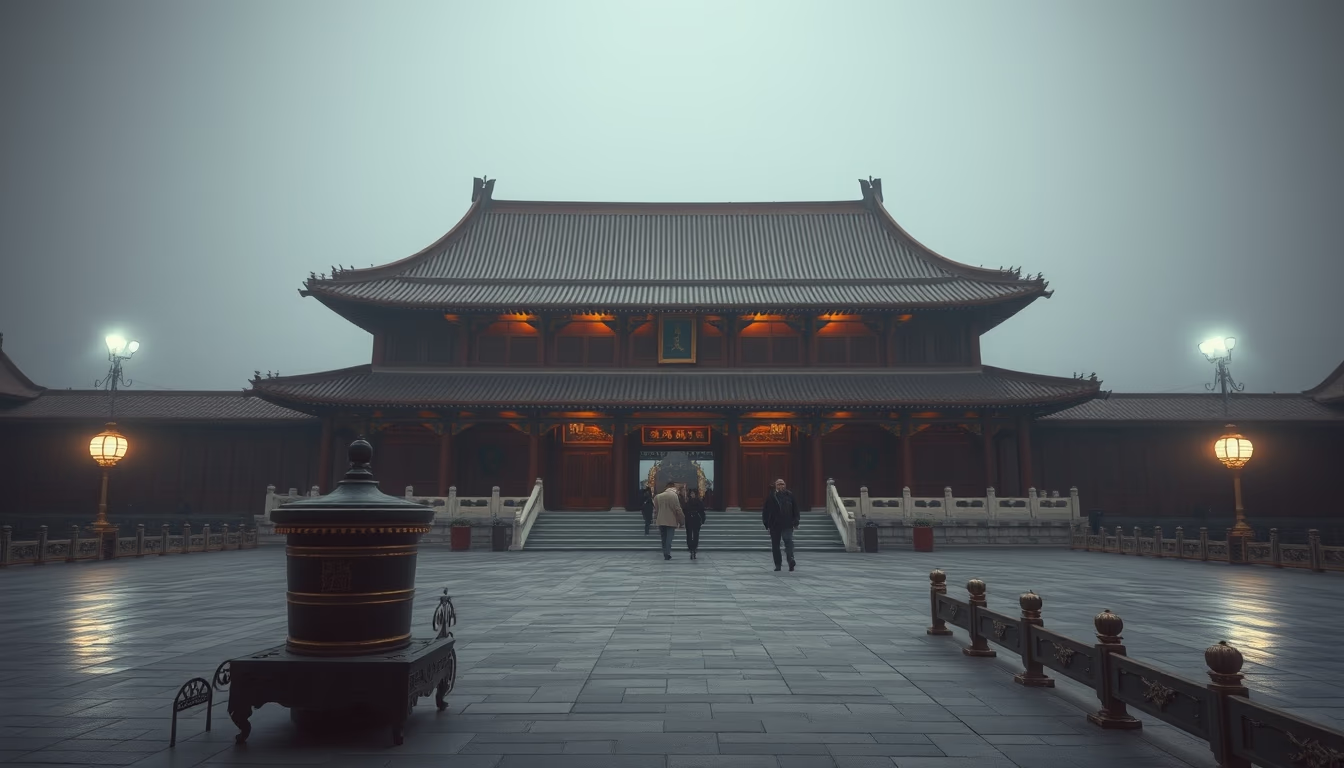
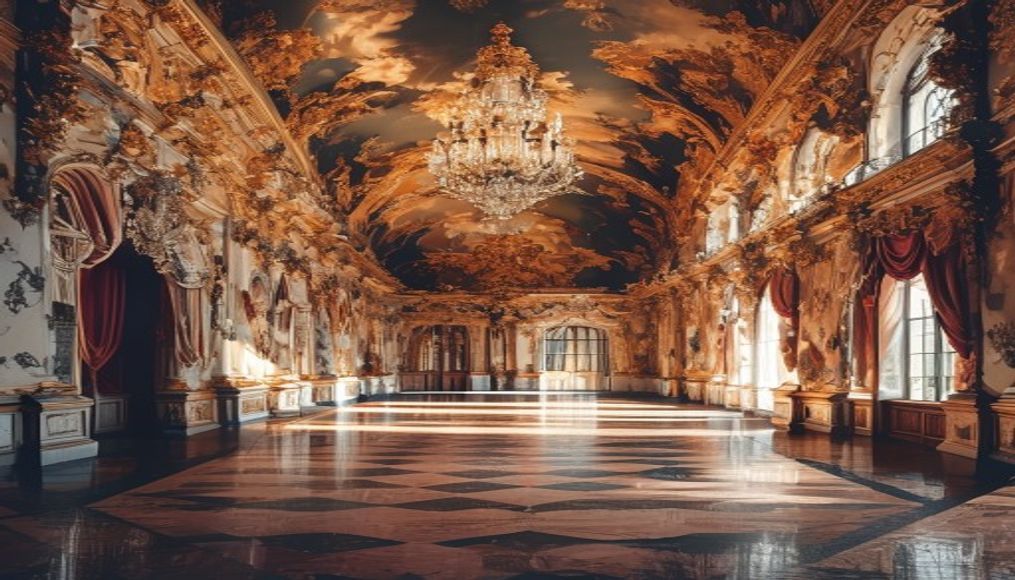
The Forbidden City in Beijing is the world's largest palace complex, a symbol of Chinese imperial power for over 500 years.
About this subject
The Forbidden City, located in the center of Beijing, served as the imperial palace for the Ming and Qing dynasties from 1420 to 1912. It comprises 980 buildings and over 8,700 rooms, covering 720,000 square meters, making it the largest preserved palace complex in the world. Construction began in 1406 under Emperor Yongle, employing around one million workers. The name 'Forbidden City' comes from the fact that access was restricted to the imperial court and servants; commoners were not allowed near. In 1987 it was declared a UNESCO World Heritage Site, and today it houses the Palace Museum, with a collection of over 1.8 million artifacts, including paintings, ceramics, and jades. The architecture follows strict feng shui and symbolic principles: red walls and yellow roofs represent prosperity and the emperor. The opening of its gates to the public in 1949 marked the transition from imperial palace to public museum. Interestingly, no trees were planted in the main courtyard to avoid providing shade for the soldiers guarding the emperor. The complex is a global cultural icon, inspiring films like 'The Last Emperor' and hosting visits from world leaders. The Forbidden City attracts around 16 million tourists annually, making it one of the most visited destinations on Earth.
Frequently Asked Questions
Why is it called the Forbidden City?
It was called 'Forbidden' because only the imperial family, courtiers, and authorized servants could enter. Commoners were prohibited from approaching, on pain of death.
How many emperors lived in the Forbidden City?
Twenty-four emperors of the Ming and Qing dynasties resided there during its 492 years as the seat of imperial power.
What is the most striking architectural curiosity?
The complex was built without trees in the main courtyard so that imperial guards had full visibility and no shadows where spies could hide.
Direct URL
https://pub-c7d6a6ea828543ac903a74a341ccb2e1.r2.dev/imagens/forbidden-city-beijing-studio-still-life-p12.avifHow to credit
Include a visible link back to UtilizAí. Copy one of the snippets below:
<a href="https://xn--utiliza-eza.com/en/midia/imagens/forbidden-city-beijing-studio-still-life-p12">Forbidden city beijing</a> by <a href="https://xn--utiliza-eza.com">UtilizAí</a>, licensed under <a href="https://creativecommons.org/licenses/by/4.0/">CC BY 4.0</a>.
[Forbidden city beijing](https://xn--utiliza-eza.com/en/midia/imagens/forbidden-city-beijing-studio-still-life-p12) by [UtilizAí](https://xn--utiliza-eza.com), CC BY 4.0
License: CC-BY-4.0