Forbidden city beijing
1344×768 · AVIF · CC BY 4.0
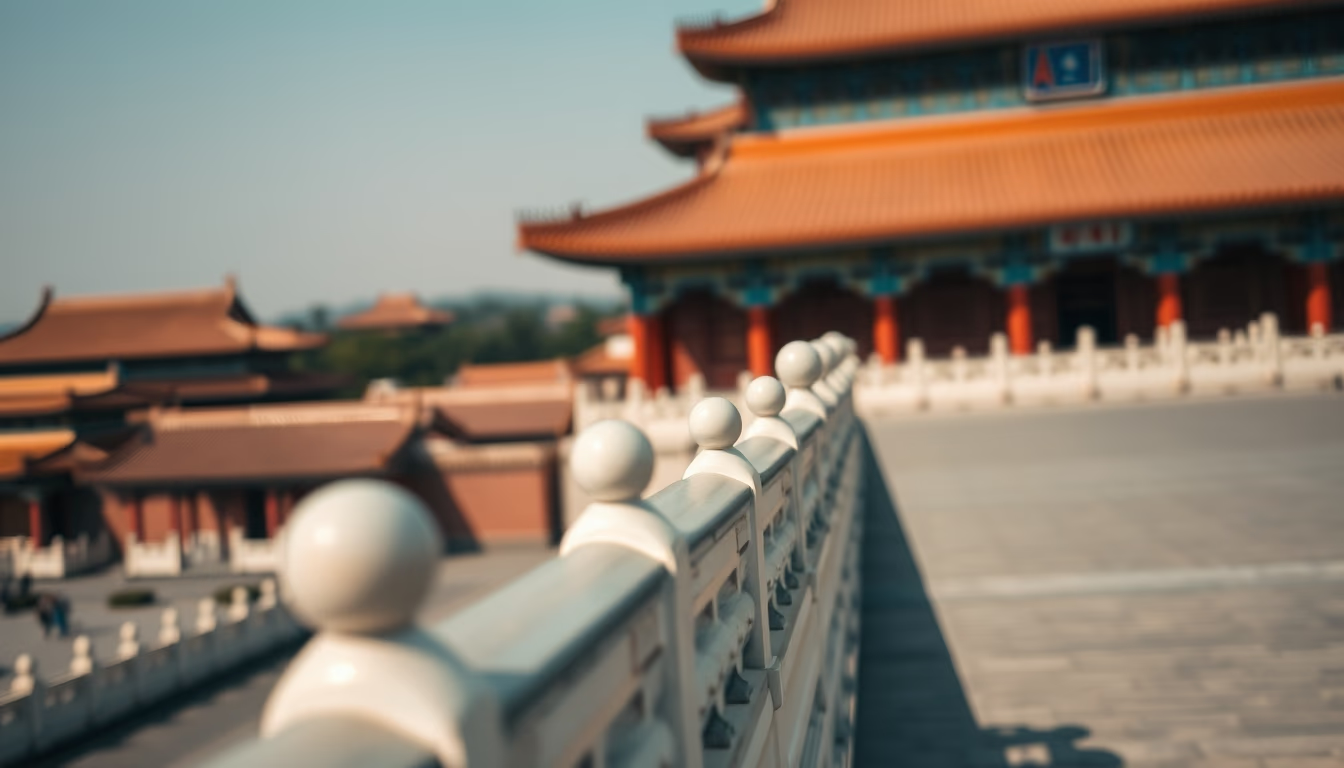
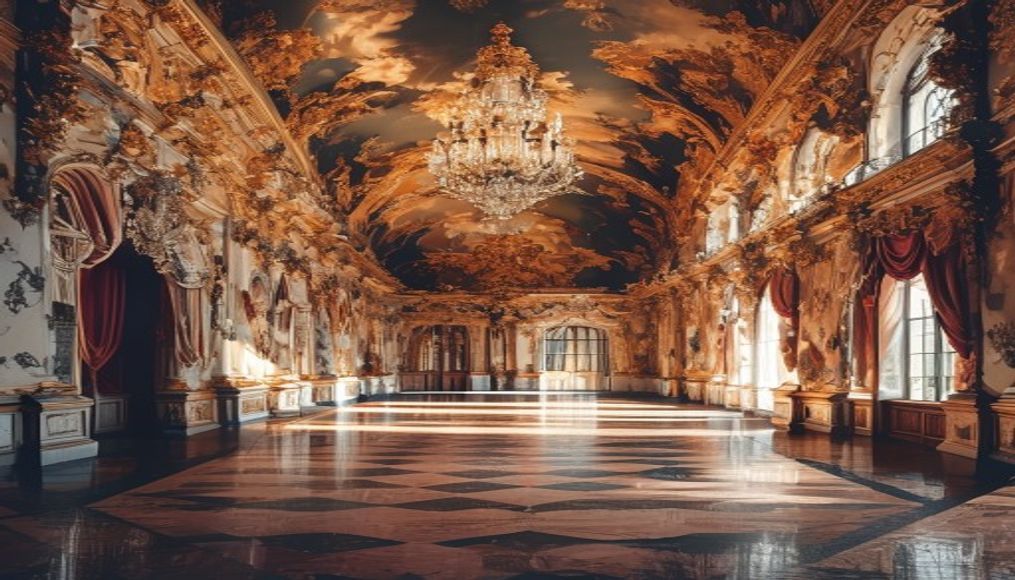
The Forbidden City in Beijing is one of the world's most imposing palace complexes, a symbol of Chinese imperial power for over 500 years.
About this subject
The Forbidden City, located in the heart of Beijing, served as the imperial palace for the Ming and Qing dynasties from 1420 to 1912. With 980 preserved buildings and over 8,700 rooms, the complex covers 72 hectares, making it the largest collection of ancient wooden structures in the world. Construction began in 1406 under Emperor Yongle of the Ming dynasty, involving over one million workers. The design follows strict principles of symmetry and hierarchy, with a central north-south axis reflecting the cosmic and political order of the empire.
The name "Forbidden City" comes from the fact that, for centuries, access was restricted to the emperor, his family, high-ranking officials, and servants. Commoners entering the area could face the death penalty. In 1925, it was converted into the Palace Museum, opened to the public. In 1987, UNESCO declared it a World Heritage Site for its exceptional architectural and historical value.
The architecture of the Forbidden City is characterized by the predominant use of golden and red roofs, colors symbolizing power and prosperity. Gold represents the emperor, while red wards off evil spirits. The roofs are adorned with mythological figures like dragons and phoenixes, representing imperial authority. The Hall of Supreme Harmony, the largest building, was used for important ceremonies. Every detail, from the number of steps to the arrangement of gates, carries political and religious meaning.
Today, the Forbidden City receives about 15 million visitors annually, requiring crowd management systems and intensive conservation efforts. Beijing's pollution and high tourist numbers pose challenges for preserving the wooden structures and artifacts. The museum houses over 1.8 million pieces, including paintings, ceramics, jade, and bronze objects, many never exhibited due to space constraints. The complex also influenced the architecture of other Asian palaces, such as the Imperial Palace in Tokyo and Gyeongbokgung Palace in Seoul.
Frequently Asked Questions
Why is it called the Forbidden City?
The name comes from the fact that for over 500 years, access was forbidden to common people. Only the emperor, his family, authorized officials, and servants could enter.
How many rooms are in the Forbidden City?
The complex has about 8,700 rooms. The exact number varies by source, but they are spread across 980 preserved buildings.
How long did it take to build the Forbidden City?
The main construction lasted 14 years, from 1406 to 1420, under Emperor Yongle. However, renovations and expansions continued through subsequent dynasties.
Direct URL
https://pub-c7d6a6ea828543ac903a74a341ccb2e1.r2.dev/imagens/forbidden-city-beijing-macro-closeup-p1.avifHow to credit
Include a visible link back to UtilizAí. Copy one of the snippets below:
<a href="https://xn--utiliza-eza.com/en/midia/imagens/forbidden-city-beijing-macro-closeup-p1">Forbidden city beijing</a> by <a href="https://xn--utiliza-eza.com">UtilizAí</a>, licensed under <a href="https://creativecommons.org/licenses/by/4.0/">CC BY 4.0</a>.
[Forbidden city beijing](https://xn--utiliza-eza.com/en/midia/imagens/forbidden-city-beijing-macro-closeup-p1) by [UtilizAí](https://xn--utiliza-eza.com), CC BY 4.0
License: CC-BY-4.0