Forbidden city beijing
1344×768 · AVIF · CC BY 4.0
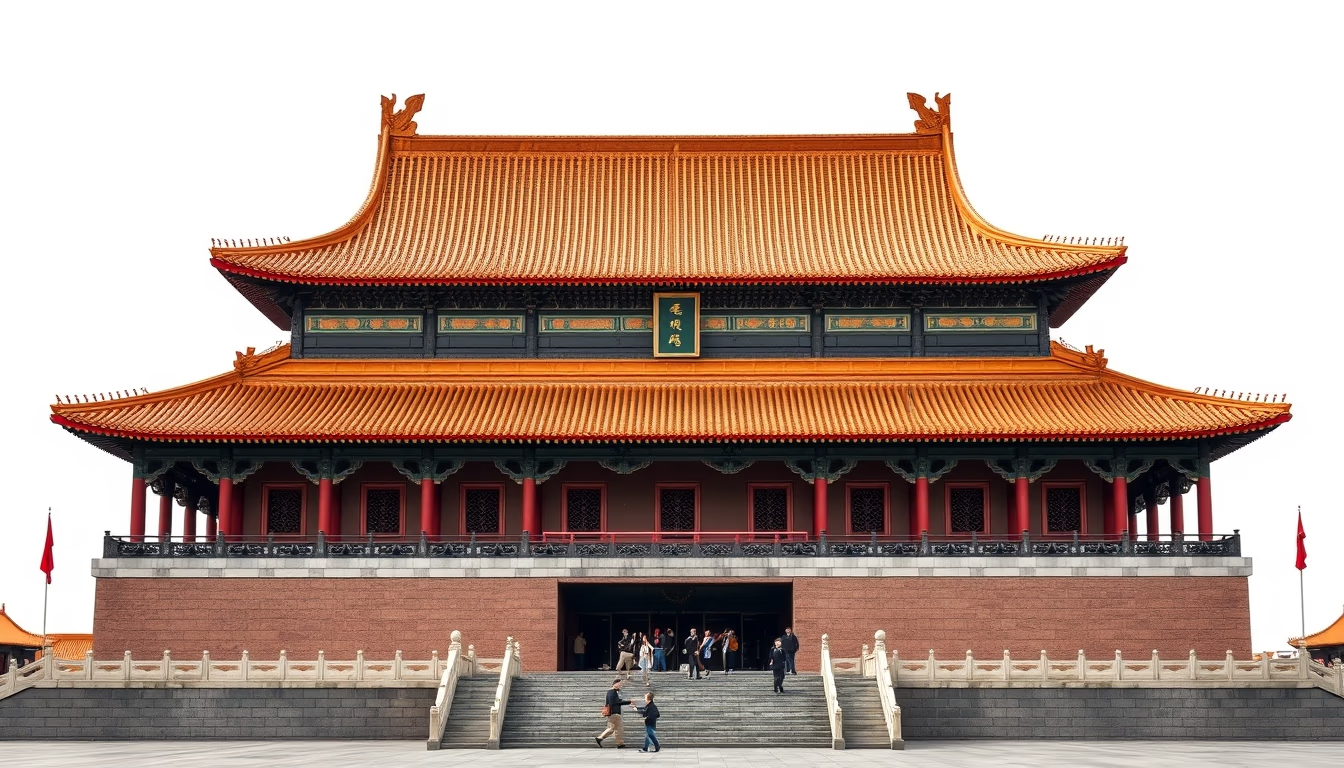
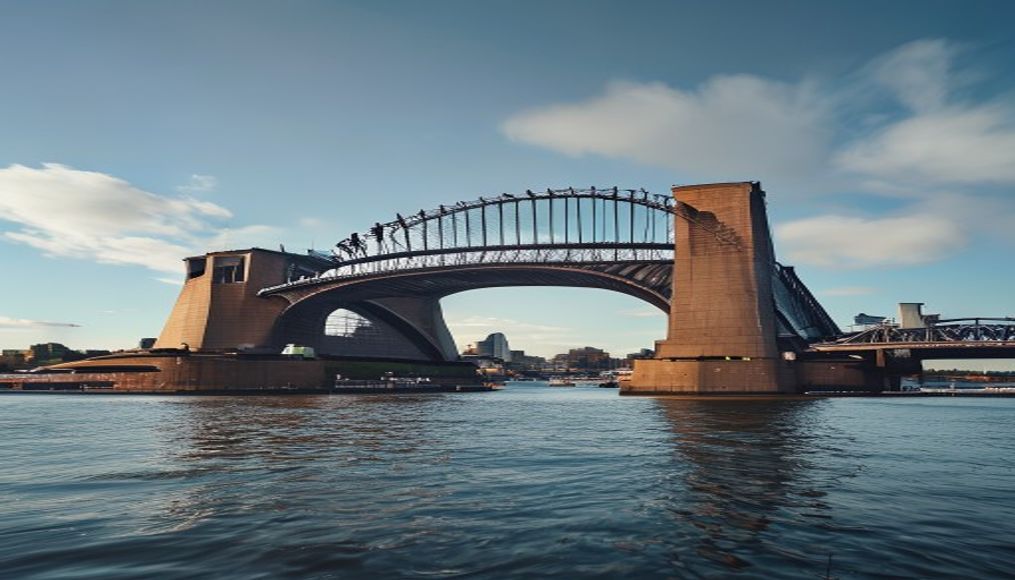
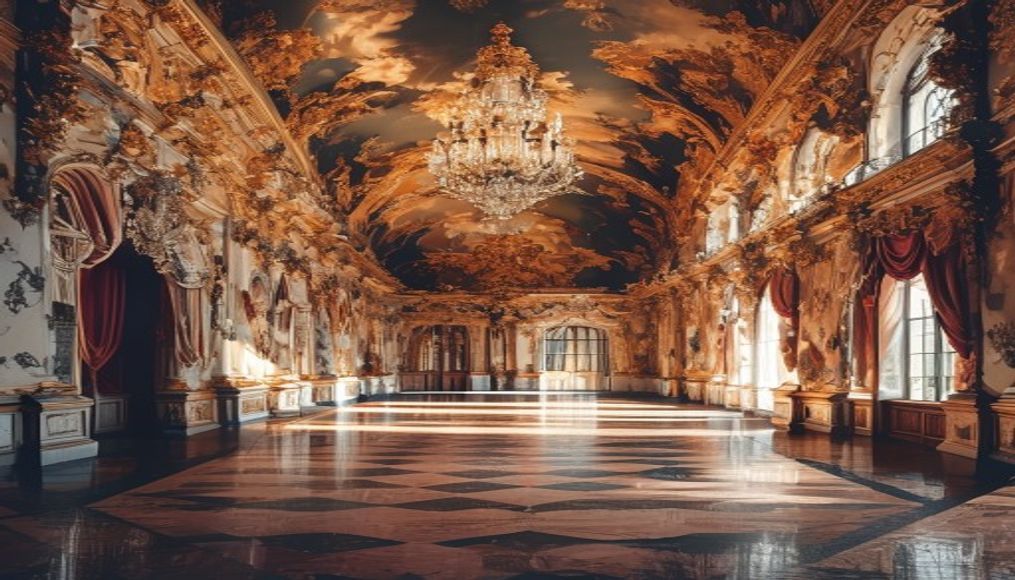
The Forbidden City in Beijing served as the imperial palace for the Ming and Qing dynasties, a symbol of absolute power and Chinese architecture.
About this subject
The Forbidden City, situated in the heart of Beijing, served as the imperial palace of China for nearly 500 years, from 1420 to 1912. Built during the Ming dynasty, it housed 24 emperors until the end of the Qing dynasty. Covering 72 hectares, it is the largest palace complex in the world and a UNESCO World Heritage site since 1987. Construction required about 1 million workers and materials such as nanmu wood, marble, and special bricks.
The name "Forbidden City" comes from the fact that commoners were not allowed to enter, and even court officials had limited access. The complex includes 980 buildings and 8,886 rooms, though legend says there were 9,999.5 rooms, a number close to the celestial 10,000. Symbolism is rich: red (good fortune) and yellow (imperial) colors dominate, and the north-south axis aligns the main halls. The Hall of Supreme Harmony is the largest, where the emperor held ceremonies.
Today, the Forbidden City houses the Palace Museum, with over 1.8 million artifacts, including paintings, ceramics, and jade objects. In 2019, it received more than 19 million visitors, making it one of the most visited museums globally. Ongoing restoration preserves the structure, which faces challenges like pollution and overtourism. It is an icon of Chinese culture and a must-see for visitors to Beijing.
Frequently Asked Questions
Why is the Forbidden City called 'forbidden'?
It was called forbidden because commoners were not allowed to enter, and access was restricted to imperial court members except on special occasions.
How many rooms are in the Forbidden City?
There are officially 8,886 rooms, but legend says there were 9,999.5 to symbolize the celestial number 10,000.
Is the Forbidden City still used as a palace?
No, since 1925 it houses the Palace Museum, open to the public as one of the largest museums in the world.
Direct URL
https://pub-c7d6a6ea828543ac903a74a341ccb2e1.r2.dev/imagens/forbidden-city-beijing-commercial-product-photography-p5.avifHow to credit
Include a visible link back to UtilizAí. Copy one of the snippets below:
<a href="https://xn--utiliza-eza.com/en/midia/imagens/forbidden-city-beijing-commercial-product-photography-p5">Forbidden city beijing</a> by <a href="https://xn--utiliza-eza.com">UtilizAí</a>, licensed under <a href="https://creativecommons.org/licenses/by/4.0/">CC BY 4.0</a>.
[Forbidden city beijing](https://xn--utiliza-eza.com/en/midia/imagens/forbidden-city-beijing-commercial-product-photography-p5) by [UtilizAí](https://xn--utiliza-eza.com), CC BY 4.0
License: CC-BY-4.0