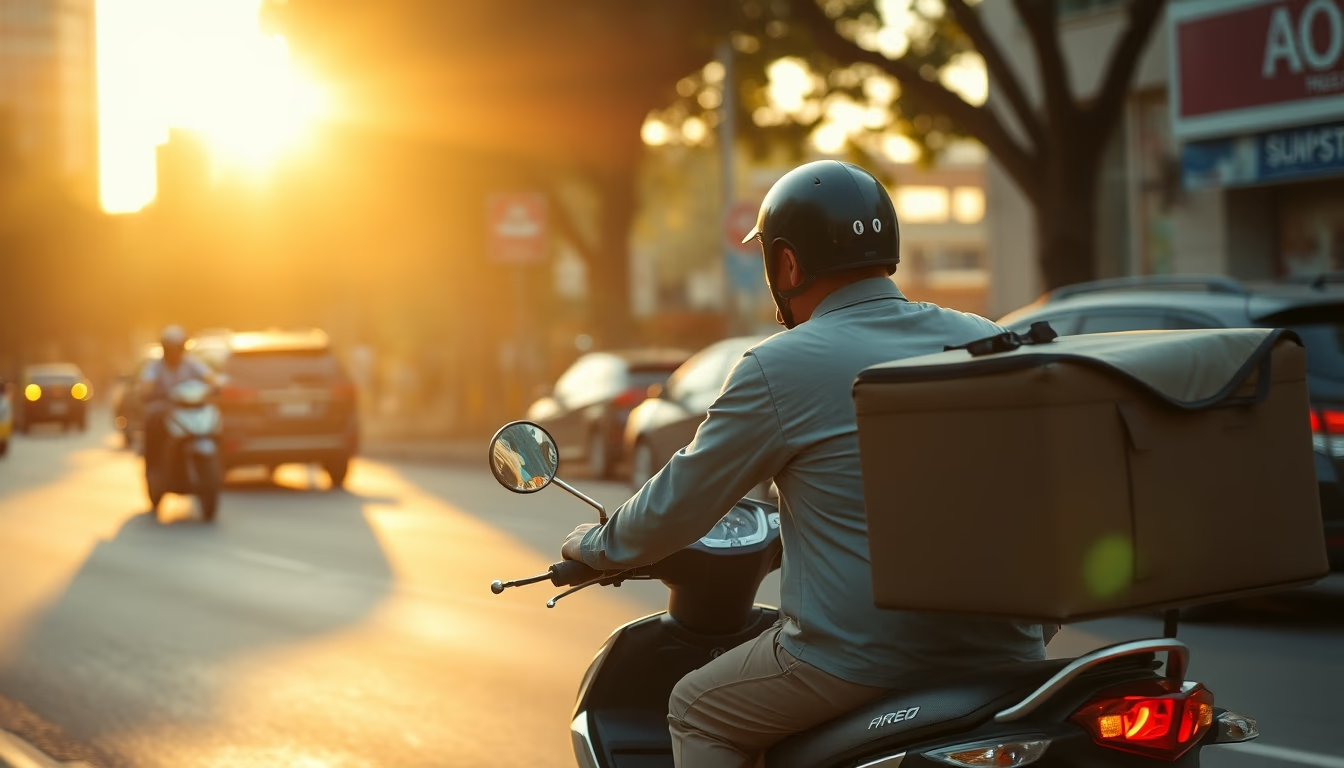
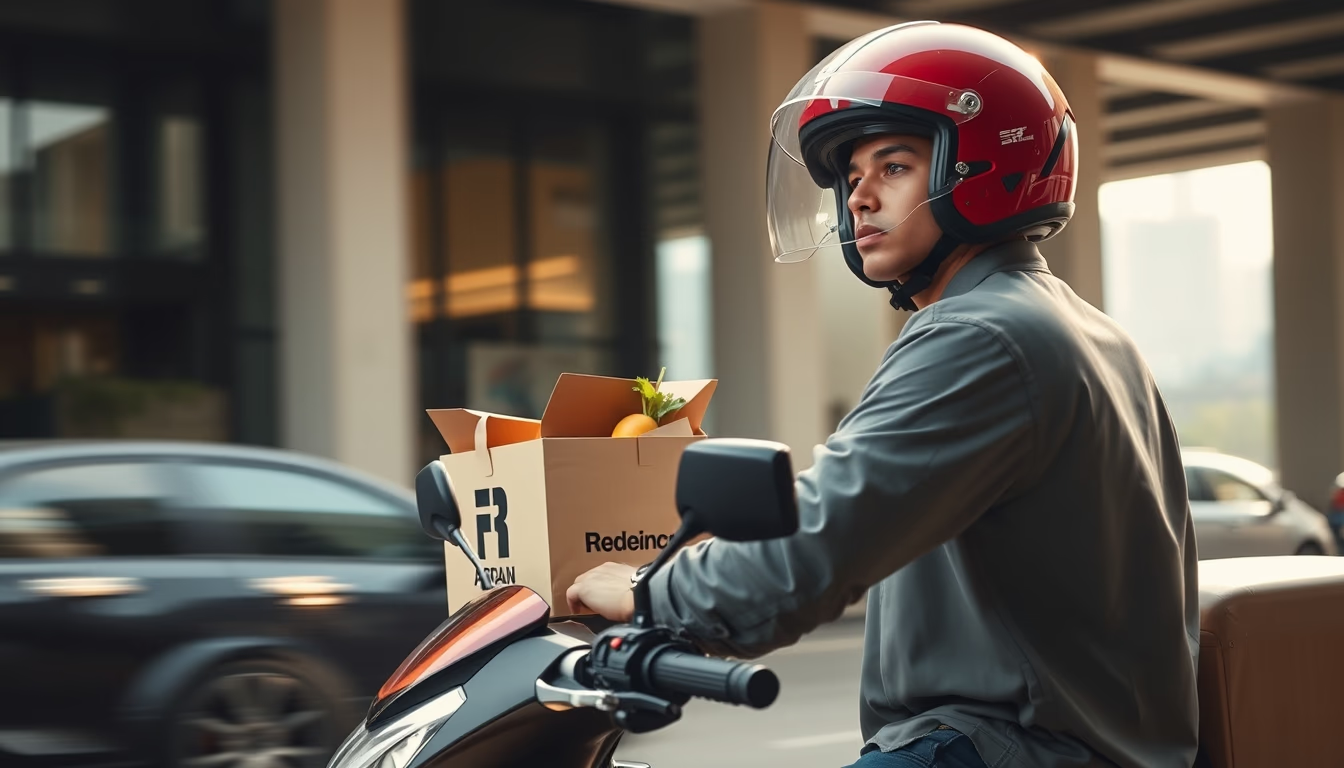
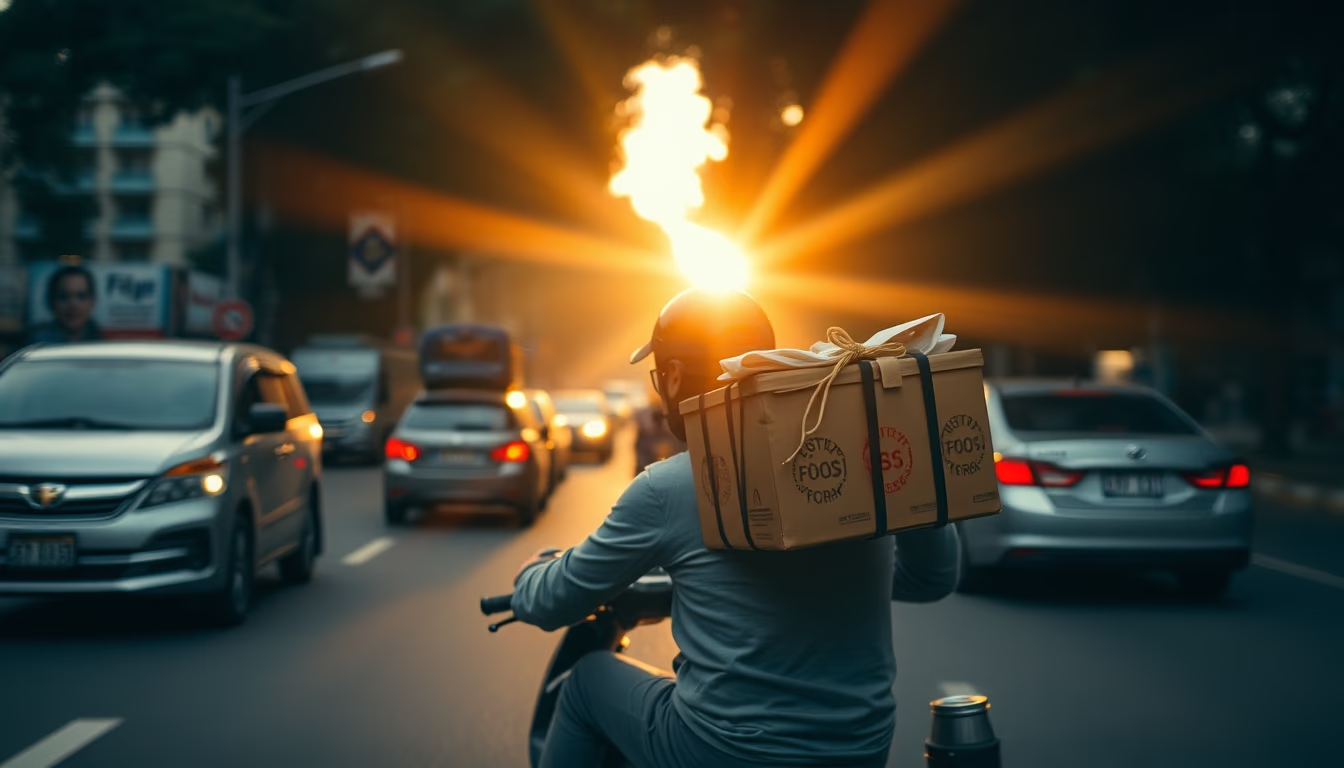
Food delivery rider on motorbike in São Paulo traffic
1344×768 · AVIF · CC BY 4.0
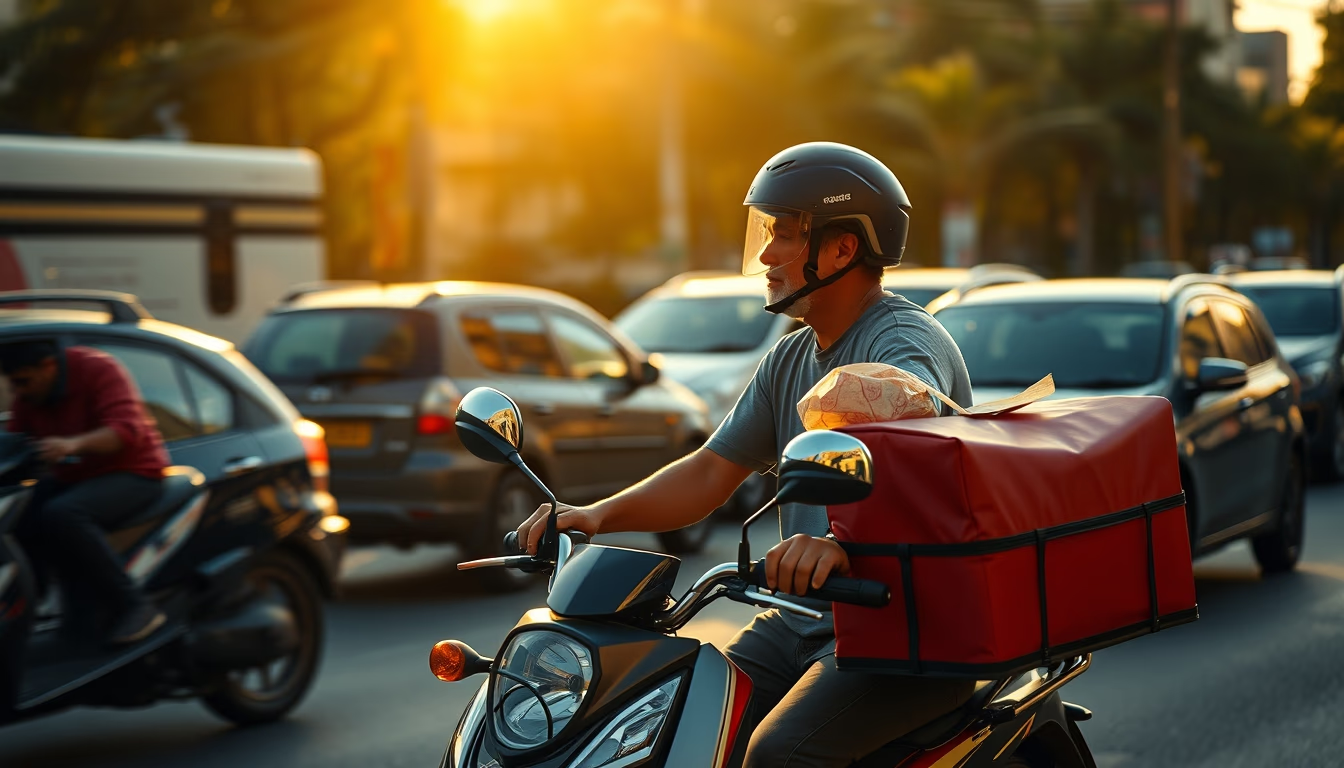
A food delivery rider on a motorbike navigates heavy São Paulo traffic in the late afternoon, depicting the daily routine of app-based workers.
About this subject
The food delivery rider on a motorbike is an ubiquitous figure on the streets of São Paulo, especially during the late afternoon peak hours. These workers, known as motoboys or app-based delivery drivers, play a crucial role in the urban economy, connecting restaurants, supermarkets, and stores to consumers in one of the world's largest cities. According to data from IPEA (Institute of Applied Economic Research), Brazil has about 1.5 million active delivery riders, with São Paulo concentrating the largest share. The city's traffic, one of the most congested globally, with jams that can exceed 300 km on critical days, makes the profession even more challenging and dangerous.
The late afternoon is a strategic time: many orders are placed for dinner, and riders must balance speed with safety to meet tight deadlines. Motorbikes are preferred for their agility to weave through traffic, but they also expose workers to risks such as accidents and urban violence. Data from the Brazilian Association of Traffic Medicine (Abramet) indicates that motorcyclists account for about 30% of traffic deaths in the country, with delivery riders among the most vulnerable.
Culturally, food delivery has consolidated over the past decade, driven by apps like iFood, Rappi, and Uber Eats. The COVID-19 pandemic accelerated this trend, turning the motoboy into an invisible urban hero. However, the category faces debates over labor rights, fair pay, and working conditions, topics frequently discussed in protests and negotiations with platforms. The image of a rider in São Paulo traffic symbolizes this duality between service efficiency and precarious work.
Frequently Asked Questions
How many app-based delivery riders are there in Brazil?
It is estimated that Brazil has about 1.5 million active delivery riders, most concentrated in large urban centers like São Paulo.
What are the main risks faced by motoboys in São Paulo?
The main risks include traffic accidents, urban violence (robberies), and precarious working conditions, such as long hours and low pay.
Why has food delivery grown so much in Brazil?
Growth has been driven by delivery apps, the popularization of smartphones, and the COVID-19 pandemic, which increased demand for contactless services.
Direct URL
https://pub-c7d6a6ea828543ac903a74a341ccb2e1.r2.dev/imagens/food-delivery-rider-on-motorbike-in-sao-paulo-traffic-wide-late-afternoon-2.avifHow to credit
Include a visible link back to UtilizAí. Copy one of the snippets below:
<a href="https://xn--utiliza-eza.com/en/midia/imagens/food-delivery-rider-on-motorbike-in-sao-paulo-traffic-wide-late-afternoon-2">Food delivery rider on motorbike in São Paulo traffic</a> by <a href="https://xn--utiliza-eza.com">UtilizAí</a>, licensed under <a href="https://creativecommons.org/licenses/by/4.0/">CC BY 4.0</a>.
[Food delivery rider on motorbike in São Paulo traffic](https://xn--utiliza-eza.com/en/midia/imagens/food-delivery-rider-on-motorbike-in-sao-paulo-traffic-wide-late-afternoon-2) by [UtilizAí](https://xn--utiliza-eza.com), CC BY 4.0
License: CC-BY-4.0
Tags
Related images
 Food delivery rider on motorbike in São Paulo traffic
 Food delivery rider on motorbike in São Paulo traffic
 Food delivery rider on motorbike in São Paulo traffic
 Food delivery rider on motorbike in São Paulo traffic
 Food delivery rider on motorbike in São Paulo traffic
 Food delivery rider on motorbike in São Paulo traffic