Flute silver elegant
1344×768 · AVIF · CC BY 4.0

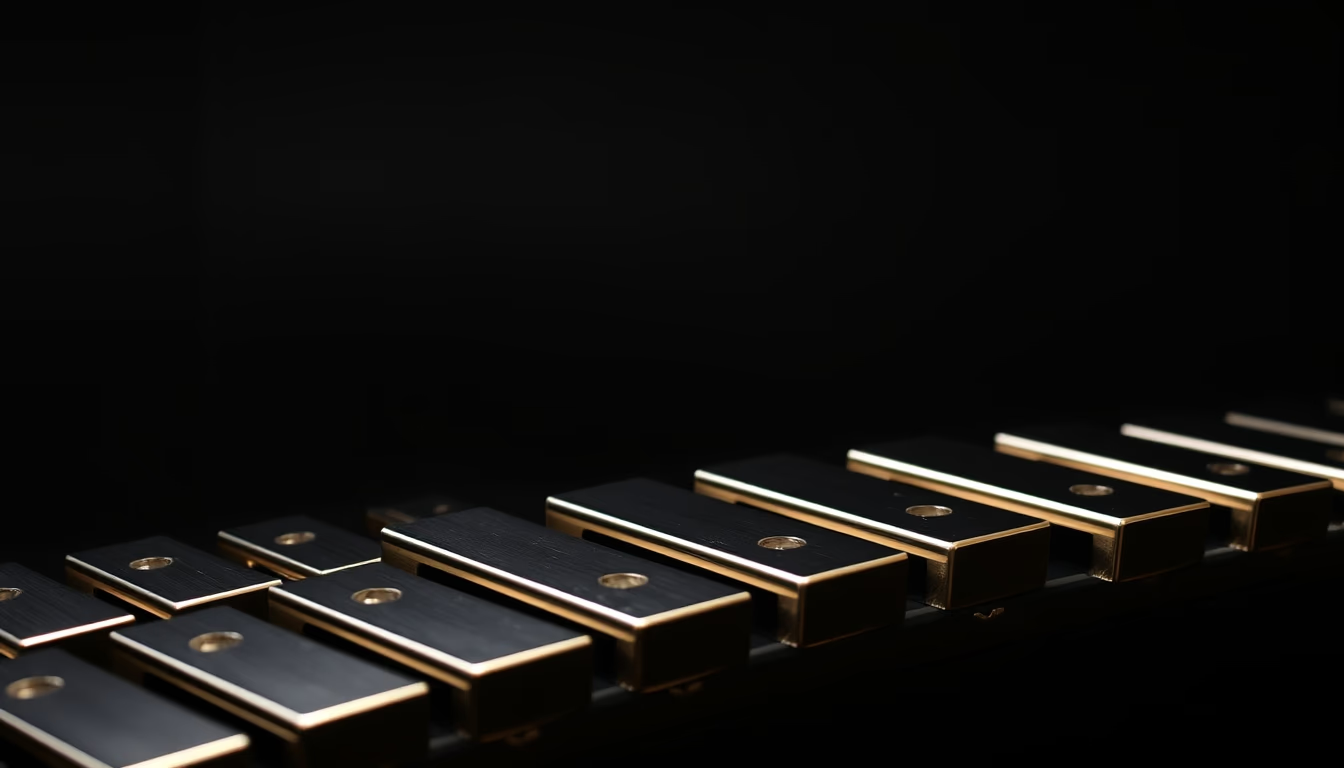
The silver flute is a modern woodwind instrument, known for its bright tone and construction in precious metal.
About this subject
The silver flute is the modern standard for transverse flutes, differing from the wooden flutes used in Baroque and Classical periods. The shift to metal began in the 19th century when flutist and goldsmith Theobald Böhm revolutionized the instrument by introducing a system of mechanized keys and a cylindrical tube, optimizing tuning and sound projection. Silver flutes, whether solid silver or silver-plated, offer acoustic advantages such as greater resonance and a clearer tone, especially in the upper register. Silver also provides durability and corrosion resistance, though it requires special care to prevent tarnishing.
In musical contexts, the silver flute is ubiquitous in symphony orchestras, jazz bands, and chamber music ensembles. Renowned players like Jean-Pierre Rampal and James Galway popularized the instrument, showcasing its versatility in classical and contemporary works. In Brazilian popular music, the flute plays a key role in choro and samba, with masters like Altamiro Carrilho. The elegant aesthetic of the silver flute, with its shiny keys and mirrored finish, also makes it a collector's item.
Interestingly, the production of silver flutes involves complex goldsmithing techniques, such as hammer forging and capillary soldering. Professional models may use special alloys like sterling silver (92.5% silver) or nickel silver with silver plating. Maintenance requires periodic cleaning with special cloths and proper storage to preserve luster and avoid spots. The characteristic sound of the silver flute is often described as sweet and penetrating, capable of expressing lyrical melodies and virtuosic passages alike.
Frequently Asked Questions
What are the advantages of a silver flute?
The silver flute offers greater resonance and sound projection, a clearer and brighter timbre, and increased durability compared to nickel flutes. Silver also provides an elegant aesthetic and enhances the instrument's value.
How to care for a silver flute?
Clean the flute after each use with a soft cloth to remove moisture and fingerprints. Store it in a padded case and avoid prolonged air exposure to prevent tarnishing. Specific silver cleaning products can be used periodically.
What is the difference between a silver flute and a nickel flute?
Nickel flutes are cheaper and more resistant but have a more metallic sound and less projection. Silver flutes have a sweeter, richer timbre and better dynamic response. The choice depends on budget and the musician's tonal requirements.
Direct URL
https://pub-c7d6a6ea828543ac903a74a341ccb2e1.r2.dev/imagens/flute-silver-elegant-documentary-photography-p9.avifHow to credit
Include a visible link back to UtilizAí. Copy one of the snippets below:
<a href="https://xn--utiliza-eza.com/en/midia/imagens/flute-silver-elegant-documentary-photography-p9">Flute silver elegant</a> by <a href="https://xn--utiliza-eza.com">UtilizAí</a>, licensed under <a href="https://creativecommons.org/licenses/by/4.0/">CC BY 4.0</a>.
[Flute silver elegant](https://xn--utiliza-eza.com/en/midia/imagens/flute-silver-elegant-documentary-photography-p9) by [UtilizAí](https://xn--utiliza-eza.com), CC BY 4.0
License: CC-BY-4.0