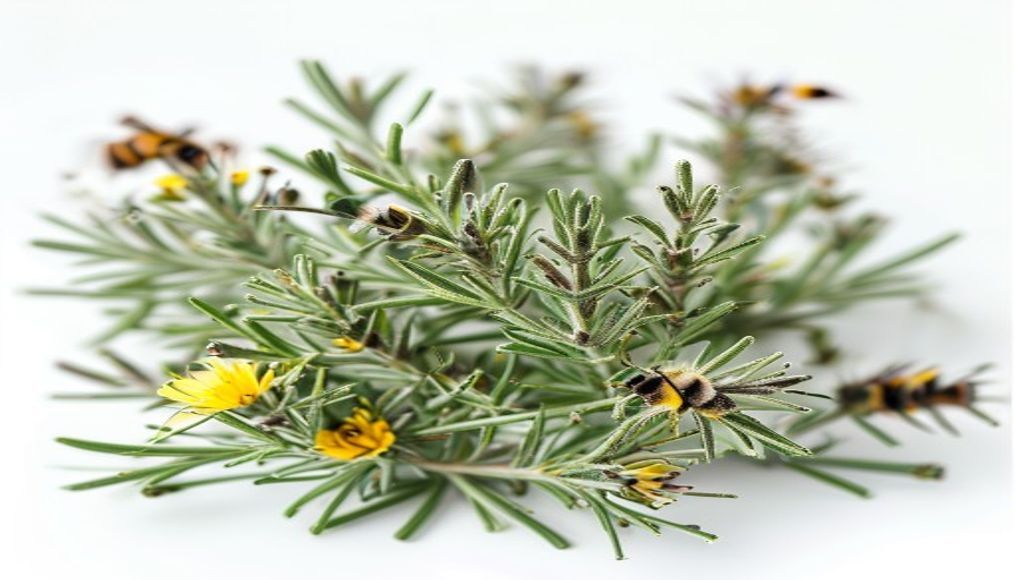
Flowering rosemary bees
1344×768 · AVIF · CC BY 4.0
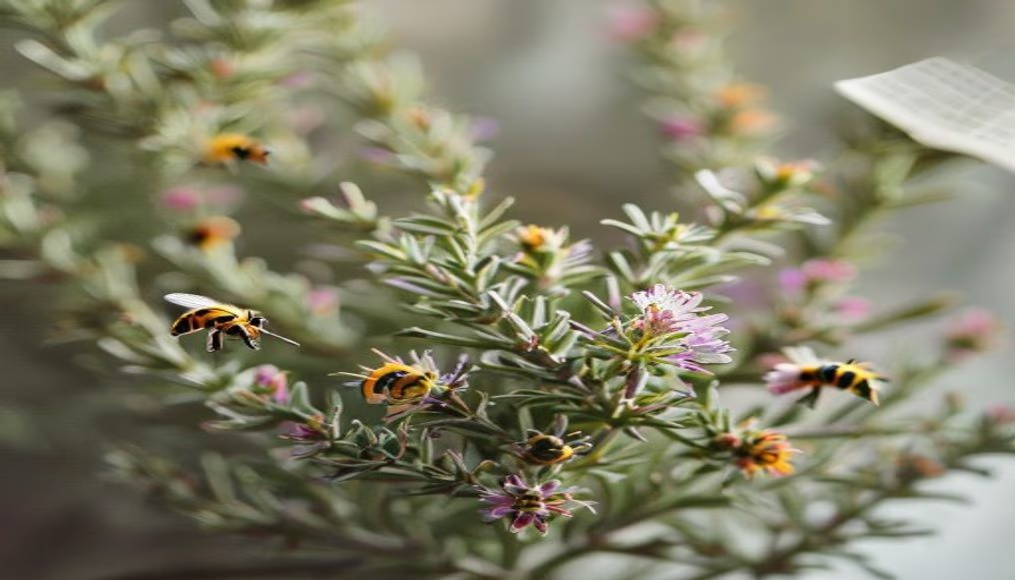
The pairing of flowering rosemary and bees is vital for honey production and pollination, blending Mediterranean cultivation with global beekeeping.
About this subject
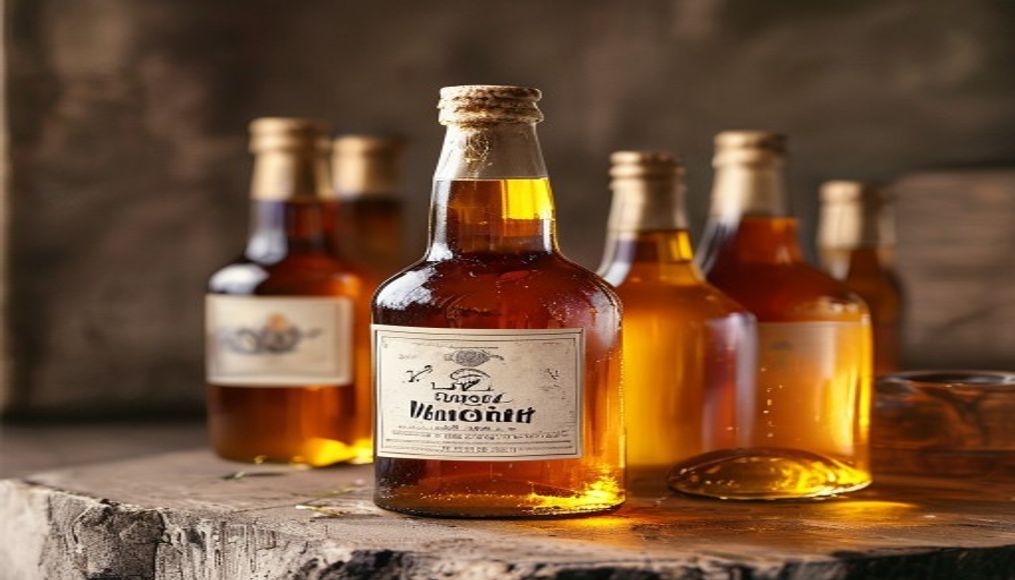
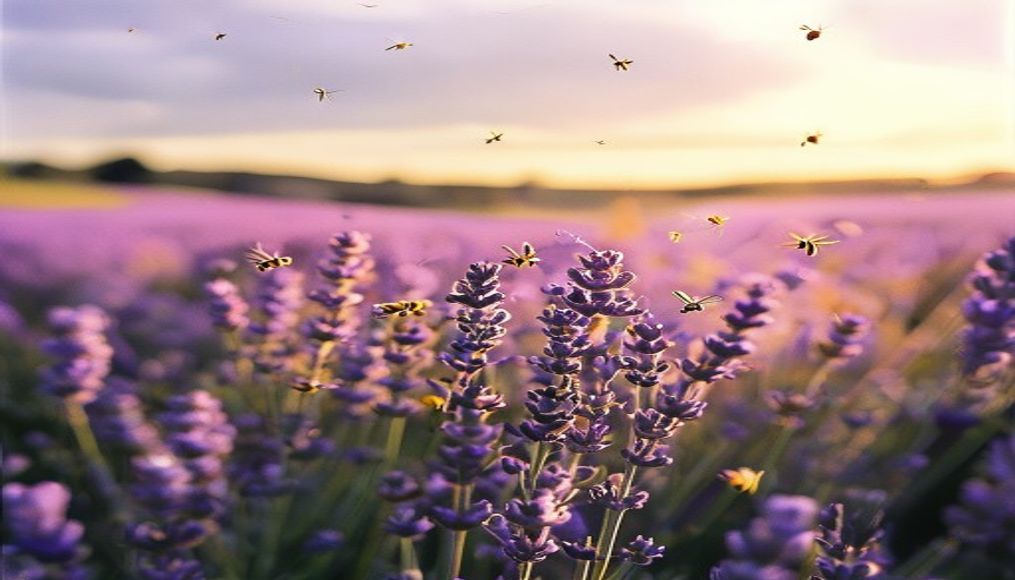
Rosemary (Salvia rosmarinus) is a perennial shrub native to the Mediterranean region, widely cultivated for culinary and medicinal purposes. Its blue to purple flowers bloom primarily in spring, though they can appear year-round in mild climates. For bees, rosemary provides an early and reliable source of nectar and pollen, especially critical after winter when few plants are flowering. Rosemary honey is prized for its light color, mild flavor, and distinct aroma, making it a sought-after monofloral honey in specialty markets.
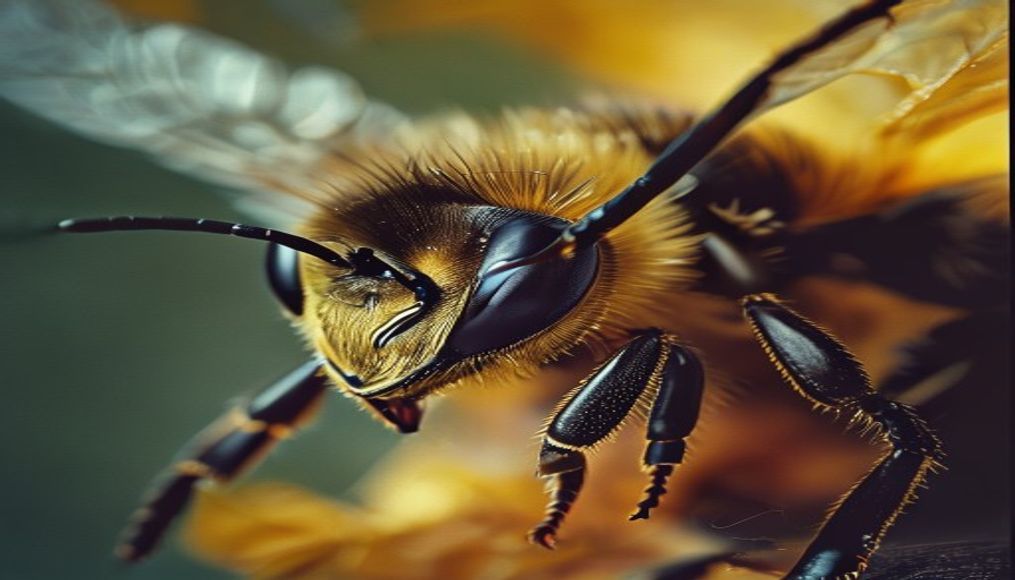
In beekeeping, rosemary is often planted near hives to ensure forage during dearth periods. Large-scale cultivation in Mediterranean countries like Spain and Greece supports commercial honey production. Bees are efficient pollinators of rosemary, facilitating seed set and plant reproduction. This mutualistic relationship exemplifies coevolution between plants and pollinators.
The tag "wave pollinations" refers to agricultural management practices that encourage pollinator movement across sequential crops to boost productivity. In this context, rosemary can serve as an ecological corridor or trap crop, attracting bees to areas where pollination of other crops, such as fruit trees, is needed. Globally, preserving such interactions is vital for food security, as about 75% of food crops depend on pollinators.
Interestingly, rosemary is highly drought-tolerant, making it a sustainable choice for water-stressed regions. For beekeepers, this means a stable food source for bees even in dry years. Its strong aroma naturally repels certain pests, reducing reliance on pesticides. Thus, the sight of flowering rosemary buzzing with bees is not just picturesque but symbolizes a functional and resilient ecosystem.
Frequently Asked Questions
Why is rosemary important for bees?
Rosemary provides nectar and pollen in early spring when few other plants are blooming, helping bees recover from winter and strengthen their hives.
How is rosemary honey characterized?
Rosemary honey is light in color, mild in flavor, and has a distinctive floral aroma. It is a prized monofloral honey from Mediterranean regions.
What does 'wave pollinations' mean in beekeeping?
Wave pollinations refer to management practices that synchronize crop flowering to attract pollinators sequentially, maximizing pollination and agricultural yield.
Direct URL
https://pub-c7d6a6ea828543ac903a74a341ccb2e1.r2.dev/imagens/flowering-rosemary-bees-magazine-editorial-p3.avifHow to credit
Include a visible link back to UtilizAí. Copy one of the snippets below:
<a href="https://xn--utiliza-eza.com/en/midia/imagens/flowering-rosemary-bees-magazine-editorial-p3">Flowering rosemary bees</a> by <a href="https://xn--utiliza-eza.com">UtilizAí</a>, licensed under <a href="https://creativecommons.org/licenses/by/4.0/">CC BY 4.0</a>.
[Flowering rosemary bees](https://xn--utiliza-eza.com/en/midia/imagens/flowering-rosemary-bees-magazine-editorial-p3) by [UtilizAí](https://xn--utiliza-eza.com), CC BY 4.0
License: CC-BY-4.0