Flowering rosemary bees
1344×768 · AVIF · CC BY 4.0
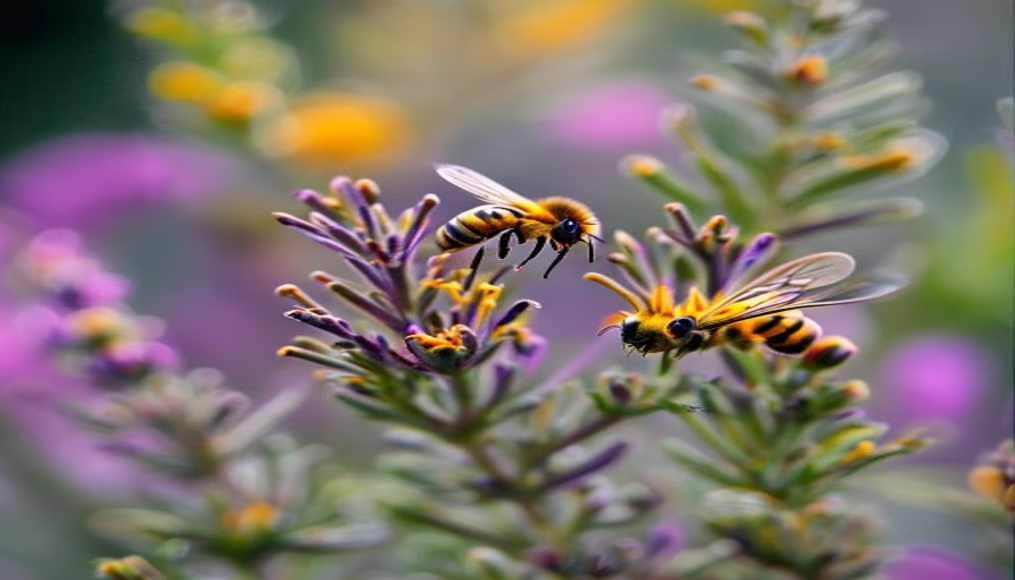
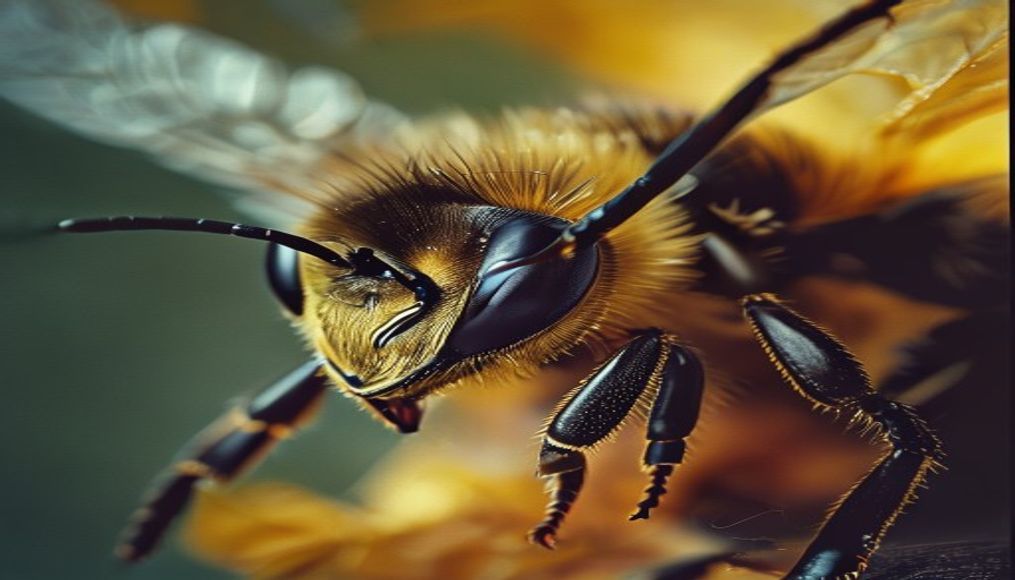
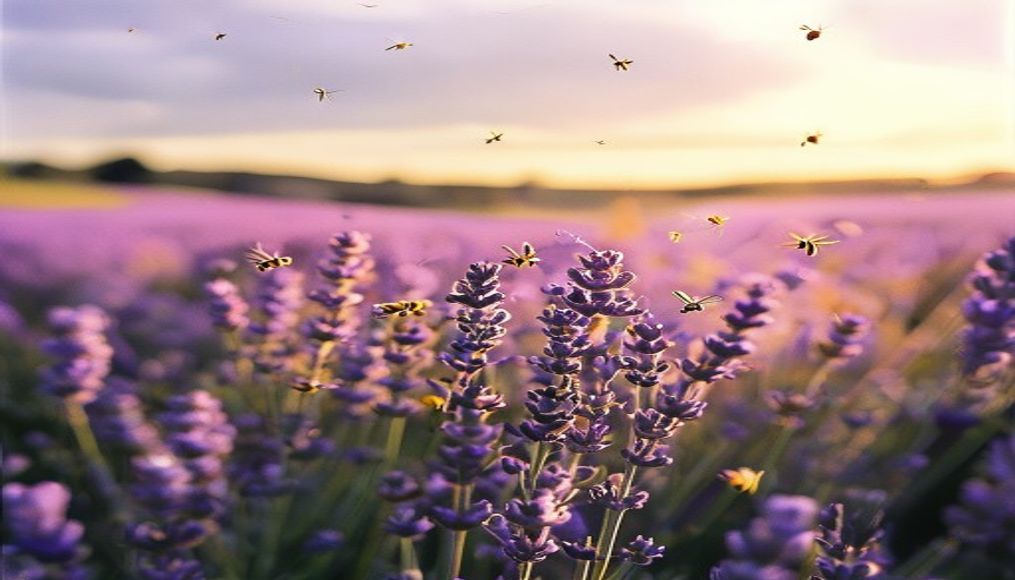
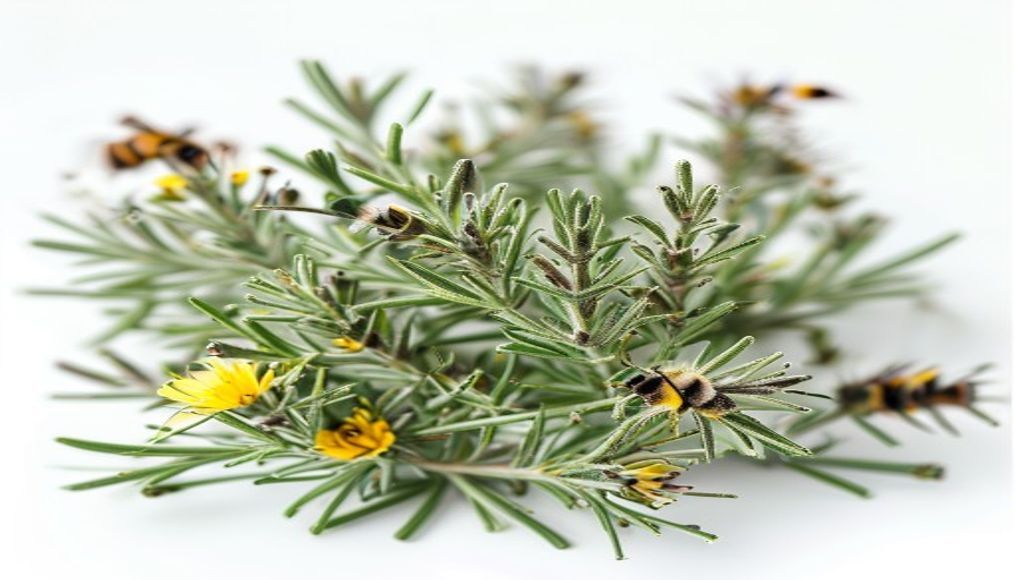
Flowering rosemary attracts bees in a macro closeup that reveals the symbiosis between the plant and pollinators.
About this subject
Rosemary (Salvia rosmarinus), commonly known as alecrim in Portuguese, is a perennial shrub native to the Mediterranean region, belonging to the Lamiaceae family. Its flowers, typically blue or lilac, bloom in terminal spikes during spring and early summer, though sporadic flowering can occur year-round in mild climates. This bloom period is critical for beekeepers, as rosemary nectar produces a monofloral honey with a mild, aromatic flavor highly prized in markets.
Bees, including Apis mellifera and native species, are drawn to rosemary flowers due to their high nectar and pollen content. The flower's tubular morphology with a lower lip facilitates visitation by long-proboscid insects like bees. During foraging, bees transfer pollen between flowers, promoting cross-pollination essential for seed set. Rosemary is a significant melliferous plant, supporting hive maintenance especially in agricultural areas lacking native vegetation.
In beekeeping, the rosemary flowering period is eagerly anticipated as it coincides with increased hive activity after winter. Rosemary honey boasts antioxidant properties and is used in cooking and folk medicine. Additionally, rosemary is drought-tolerant and low-maintenance, often planted in gardens and borders to attract pollinators. The bee-rosemary relationship exemplifies a perfect mutualism: bees obtain food, and the plant ensures reproduction.
Interestingly, rosemary is culturally associated with memory and fidelity, and its essential oil is used in aromatherapy. For beekeepers, having rosemary near apiaries can boost honey yields and bee health by providing a stable floral resource. A macro closeup photograph reveals details like pollen grains adhering to bees' bodies and petal textures, highlighting the intricate dance of pollination.
Frequently Asked Questions
Why are bees attracted to rosemary?
Bees are attracted to rosemary due to its high nectar and pollen content. The tubular flowers facilitate collection by long-proboscid insects, and the characteristic aroma serves as an olfactory guide.
When does rosemary bloom and how does it affect beekeeping?
Rosemary blooms mainly in spring and early summer, but can bloom sporadically. This period is crucial for beekeepers as it provides abundant nectar, resulting in high-quality monofloral honey.
Does rosemary honey have special properties?
Yes, rosemary honey has antioxidant properties, is mild and aromatic, and is used in cooking and folk medicine. Its production is valued by beekeepers and consumers.
Direct URL
https://pub-c7d6a6ea828543ac903a74a341ccb2e1.r2.dev/imagens/flowering-rosemary-bees-macro-closeup-p0.avifHow to credit
Include a visible link back to UtilizAí. Copy one of the snippets below:
<a href="https://xn--utiliza-eza.com/en/midia/imagens/flowering-rosemary-bees-macro-closeup-p0">Flowering rosemary bees</a> by <a href="https://xn--utiliza-eza.com">UtilizAí</a>, licensed under <a href="https://creativecommons.org/licenses/by/4.0/">CC BY 4.0</a>.
[Flowering rosemary bees](https://xn--utiliza-eza.com/en/midia/imagens/flowering-rosemary-bees-macro-closeup-p0) by [UtilizAí](https://xn--utiliza-eza.com), CC BY 4.0
License: CC-BY-4.0