Farmers market produce colorful
1344×768 · AVIF · CC BY 4.0
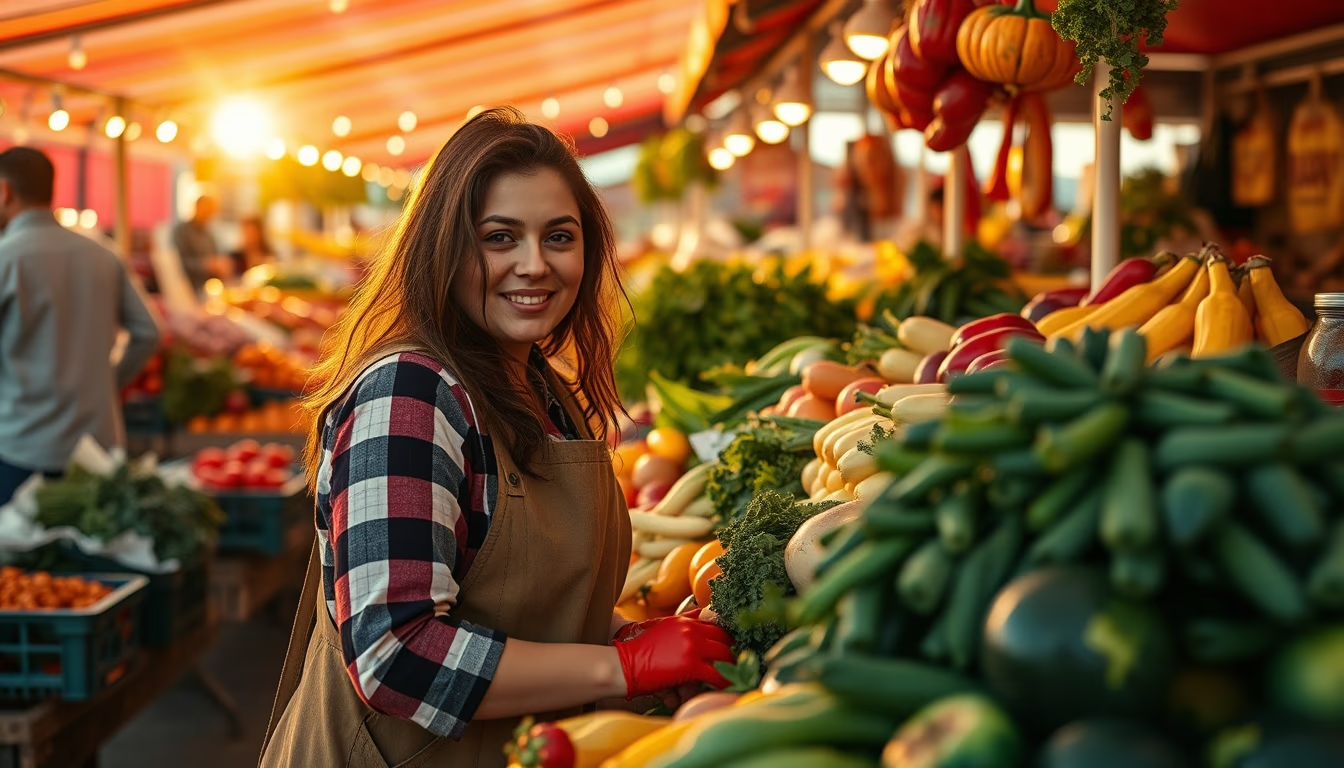
Brazilian farmers markets offer fresh, colorful, and seasonal fruits and vegetables, connecting local producers and consumers.
About this subject
Farmers markets in Brazil are a tradition dating back to the colonial period, when muleteers transported food from rural areas to cities. Today, they take place in virtually every municipality, with street markets occurring weekly. The diversity of colors and shapes of the displayed fruits, vegetables, and legumes reflects Brazil's rich biodiversity, featuring regional specialties like açaí from the North, jabuticaba from the Southeast, and pequi from the Central-West.
The produce is typically grown by small family farmers who sell directly to consumers, eliminating middlemen and ensuring fairer prices. Many markets also offer organic products, handmade goods, and ornamental plants. The shopping experience is sensory: the aroma of fresh herbs, the touch of ripe fruits, and the buzz of vendors announcing their deals create a vibrant and welcoming atmosphere.
Beyond commerce, farmers markets hold strong social and cultural importance. They serve as community gathering points where neighbors exchange recipes and cooking tips. In 2023, São Paulo's city hall recorded over 800 farmers markets, serving about 1.5 million people weekly. This trade model is recognized by the Food and Agriculture Organization (FAO) as a sustainable practice that promotes food security and values local agriculture.
Interestingly, Brazil has a federal law regulating farmers markets, Law No. 10,406/2002 (Civil Code), which establishes rules for street vending. Additionally, many cities have created incentive programs, such as the "Night Farmers Market," which operates at alternative hours to serve workers. A photograph of a stall laden with tropical fruits like mango, papaya, and passion fruit, alongside green leafy vegetables and colorful legumes, perfectly illustrates this richness and accessibility.
Frequently Asked Questions
What is the difference between a farmers market and a supermarket?
Farmers markets offer fresh, seasonal produce directly from the grower, usually at lower prices and with a wider variety of typical fruits and vegetables. Supermarkets provide convenience and extended hours, but the food may be less fresh and sourced from farther away.
How can I know which fruits are in season in each region of Brazil?
You can check seasonal calendars on agricultural agency websites like Embrapa, or ask the vendors themselves, who know the local harvest. Generally, in-season fruits are tastier and cheaper.
Do Brazilian farmers markets accept credit cards?
Many markets now accept credit, debit, and even PIX, but it's advisable to bring cash, as not all stalls have card machines. Large markets in capital cities usually have electronic payment coverage.
Direct URL
https://pub-c7d6a6ea828543ac903a74a341ccb2e1.r2.dev/imagens/farmers-market-produce-colorful-cinematic-wide-shot-v2.avifHow to credit
Include a visible link back to UtilizAí. Copy one of the snippets below:
<a href="https://xn--utiliza-eza.com/en/midia/imagens/farmers-market-produce-colorful-cinematic-wide-shot-v2">Farmers market produce colorful</a> by <a href="https://xn--utiliza-eza.com">UtilizAí</a>, licensed under <a href="https://creativecommons.org/licenses/by/4.0/">CC BY 4.0</a>.
[Farmers market produce colorful](https://xn--utiliza-eza.com/en/midia/imagens/farmers-market-produce-colorful-cinematic-wide-shot-v2) by [UtilizAí](https://xn--utiliza-eza.com), CC BY 4.0
License: CC-BY-4.0