Family at table eating Brazilian groceries from supermarket bag
1344×768 · AVIF · CC BY 4.0
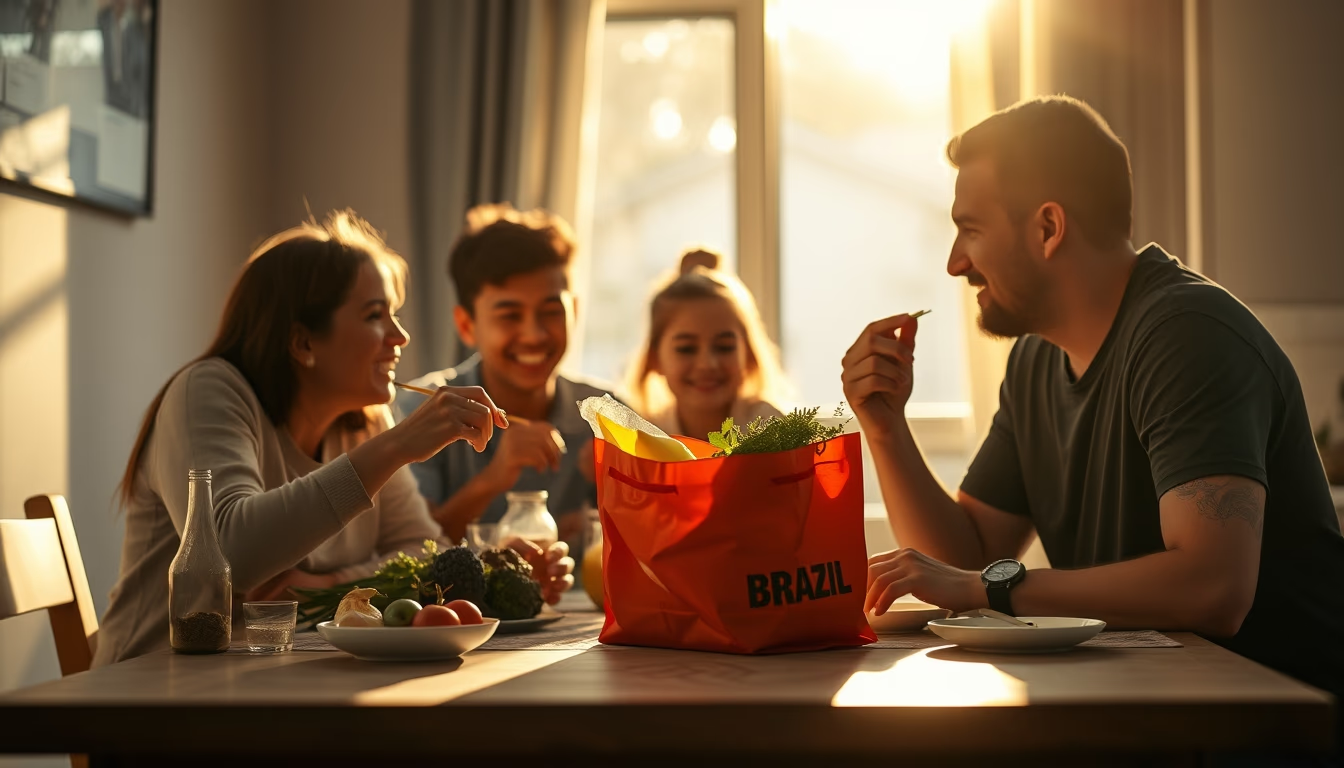
Brazilian family shares a meal with groceries from a supermarket, highlighting urban eating habits and the convenience of modern consumption.
About this subject
In Brazil, the habit of shopping at supermarkets to prepare meals at home is a well-established practice, especially in urban areas. The scene of a family gathered around a table consuming food from supermarket packages reflects the routine of millions of Brazilians balancing work, study, and family life. Data from the Brazilian Supermarket Association (ABRAS) indicates that the supermarket sector moved around R$ 400 billion in 2023, with emphasis on grocery, hygiene, and cleaning items. The convenience of shopping at large chains like Pão de Açúcar, Carrefour, and Atacadão directly influences eating habits: many opt for processed or semi-ready products to save time, but there is also a growing movement towards fresh and organic foods, even in supermarkets.
The Brazilian table is marked by regional diversity and immigrant influence. While in the South, rice and beans are accompanied by barbecue and salads, in the Northeast, cassava flour and coalho cheese are staples. Supermarkets adapt their stock to local demand: in Rio de Janeiro, there are sections dedicated to Globo cookies and mate tea; in São Paulo, French bread and mortadella are core items. The presence of global brands alongside regional products shows how food consumption in Brazil is a mosaic of tradition and modernity.
Interestingly, the act of eating as a family has undergone transformations. IBGE research shows that between 2000 and 2020, the time spent on meals at home decreased, but the value of the moment at the table persists as a symbol of unity. The image of a family with supermarket bags in sight also evokes the discussion about waste: according to FAO, Brazil wastes about 30% of the food it produces, and part of this waste occurs in households. Initiatives such as anti-waste apps and the popularization of organic markets try to reverse this scenario, but the supermarket remains the main supply channel for most Brazilian families.
Frequently Asked Questions
How important are supermarkets for Brazilian families' diets?
Supermarkets are the main food supply channel in Brazil, accounting for about 80% of food purchases for home consumption, according to ABRAS. They offer convenience and variety, combining processed and fresh products.
How does Brazil's regional diversity reflect in supermarkets?
Supermarkets adapt their stock by region: in the North, more cassava and fish; in the Northeast, flour and coalho cheese; in the South, wines and barbecue; in the Southeast, French bread and cold cuts. Regional brands coexist with national and global ones.
Is the habit of eating as a family declining in Brazil?
IBGE research indicates that time spent on meals at home has decreased in recent decades, but eating together is still valued as a moment of unity. Busy routines lead many to opt for quick meals, but the family table remains a cultural symbol.
Direct URL
https://pub-c7d6a6ea828543ac903a74a341ccb2e1.r2.dev/imagens/family-at-table-eating-brazilian-groceries-from-supermarket-bag-wide-late-afternoon-4.avifHow to credit
Include a visible link back to UtilizAí. Copy one of the snippets below:
<a href="https://xn--utiliza-eza.com/en/midia/imagens/family-at-table-eating-brazilian-groceries-from-supermarket-bag-wide-late-afternoon-4">Family at table eating Brazilian groceries from supermarket bag</a> by <a href="https://xn--utiliza-eza.com">UtilizAí</a>, licensed under <a href="https://creativecommons.org/licenses/by/4.0/">CC BY 4.0</a>.
[Family at table eating Brazilian groceries from supermarket bag](https://xn--utiliza-eza.com/en/midia/imagens/family-at-table-eating-brazilian-groceries-from-supermarket-bag-wide-late-afternoon-4) by [UtilizAí](https://xn--utiliza-eza.com), CC BY 4.0
License: CC-BY-4.0