Family at table eating Brazilian groceries from supermarket bag
1344×768 · AVIF · CC BY 4.0
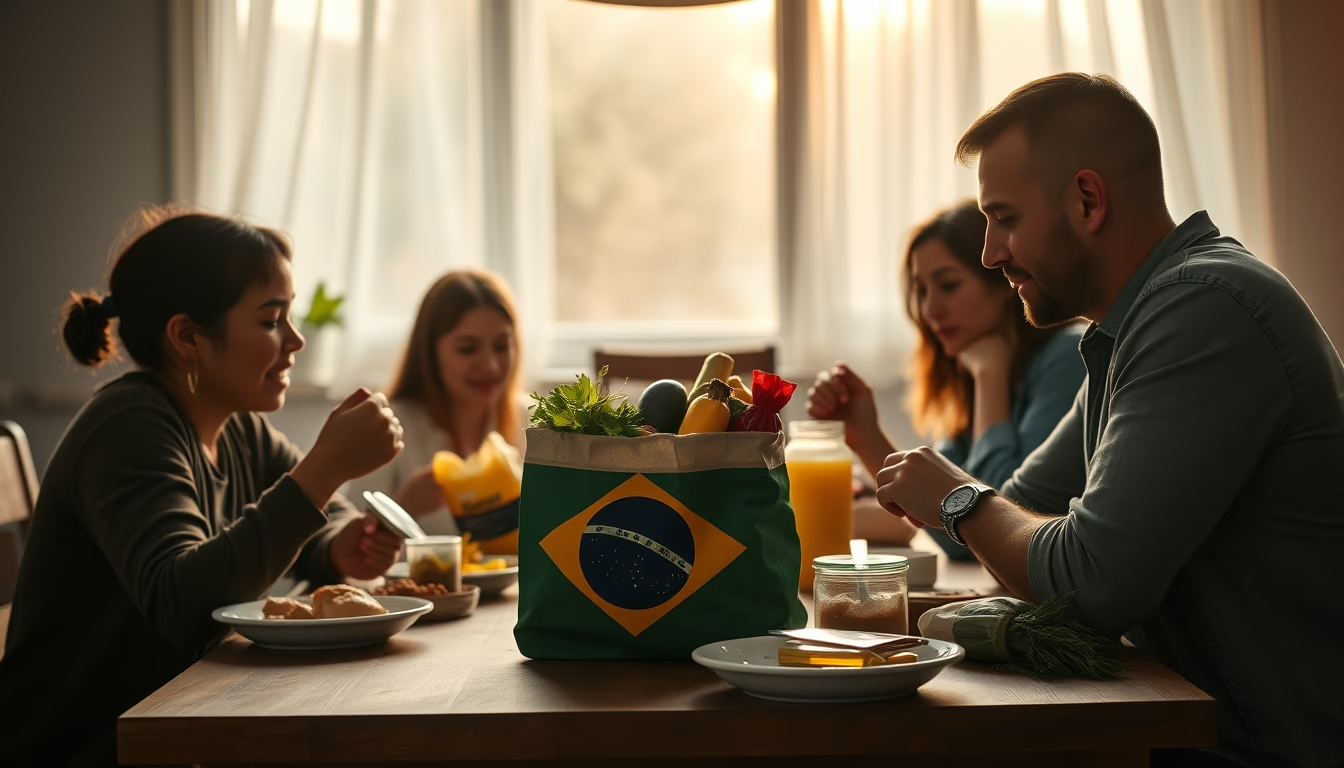
Brazilian family shares a meal with supermarket groceries on an overcast day, reflecting urban eating habits.
About this subject
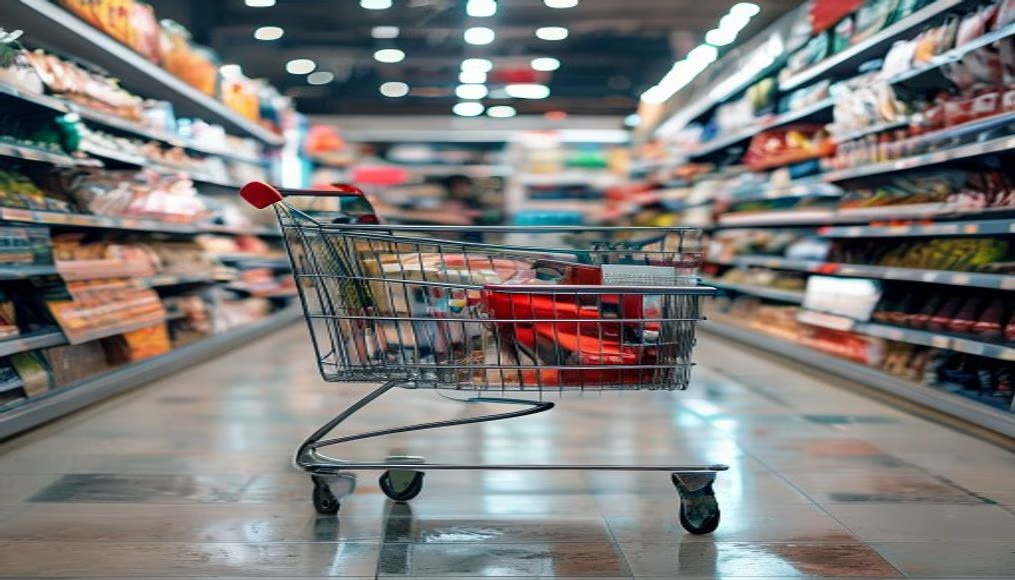
In Brazil, the habit of shopping at supermarkets for household consumption is predominant in urban areas. About 80% of Brazilians buy food at supermarkets at least once a week, according to the Brazilian Supermarket Association (ABRAS). The scene depicts a family gathered at the table, consuming typical items such as rice, beans, cassava flour, and meats, which form the basis of the national diet. The overcast day suggests a mild climate, common in the Southeast during autumn or winter, when home-cooked meals are more frequent.
Supermarket purchases in Brazil often include processed items like sauces, canned goods, and beverages, which complement fresh ingredients. The plastic or reusable bag is a familiar element, although there is growing environmental concern about disposable use. It is estimated that each Brazilian uses about 200 plastic bags per year, sparking debates on sustainability.
Family meals are a strong cultural value in Brazil, especially on Sundays when long lunches bring relatives together. However, with a fast-paced routine, many families opt for quick meals during the week, using processed foods. The image captures this contrast between the convenience of supermarket shopping and the act of sharing at the table.
Interestingly, the consumption of ultra-processed foods has increased in the country, accounting for about 20% of total calorie intake, according to an IBGE study. This impacts public health, with rising rates of obesity and diabetes. Thus, the scene also invites reflection on food choices and their effects on the quality of life of Brazilian families.
Frequently Asked Questions
What are the most common foods in supermarket purchases in Brazil?
Rice, beans, cassava flour, meats (beef, chicken, pork), vegetables, fruits, milk, eggs, and processed items like sauces and canned goods.
How does overcast weather influence Brazilian families' eating habits?
Overcast and cooler days encourage home-cooked meals like soups, stews, and hot dishes, as well as increased consumption of hot beverages like coffee and tea.
What is the environmental impact of plastic bag use in Brazilian supermarkets?
Excessive plastic bag use contributes to environmental pollution. Some cities have banned free distribution, promoting reusable or biodegradable bags.
Direct URL
https://pub-c7d6a6ea828543ac903a74a341ccb2e1.r2.dev/imagens/family-at-table-eating-brazilian-groceries-from-supermarket-bag-editorial-overcast-daytime-2.avifHow to credit
Include a visible link back to UtilizAí. Copy one of the snippets below:
<a href="https://xn--utiliza-eza.com/en/midia/imagens/family-at-table-eating-brazilian-groceries-from-supermarket-bag-editorial-overcast-daytime-2">Family at table eating Brazilian groceries from supermarket bag</a> by <a href="https://xn--utiliza-eza.com">UtilizAí</a>, licensed under <a href="https://creativecommons.org/licenses/by/4.0/">CC BY 4.0</a>.
[Family at table eating Brazilian groceries from supermarket bag](https://xn--utiliza-eza.com/en/midia/imagens/family-at-table-eating-brazilian-groceries-from-supermarket-bag-editorial-overcast-daytime-2) by [UtilizAí](https://xn--utiliza-eza.com), CC BY 4.0
License: CC-BY-4.0