Family at table eating Brazilian groceries from supermarket bag
1344×768 · AVIF · CC BY 4.0
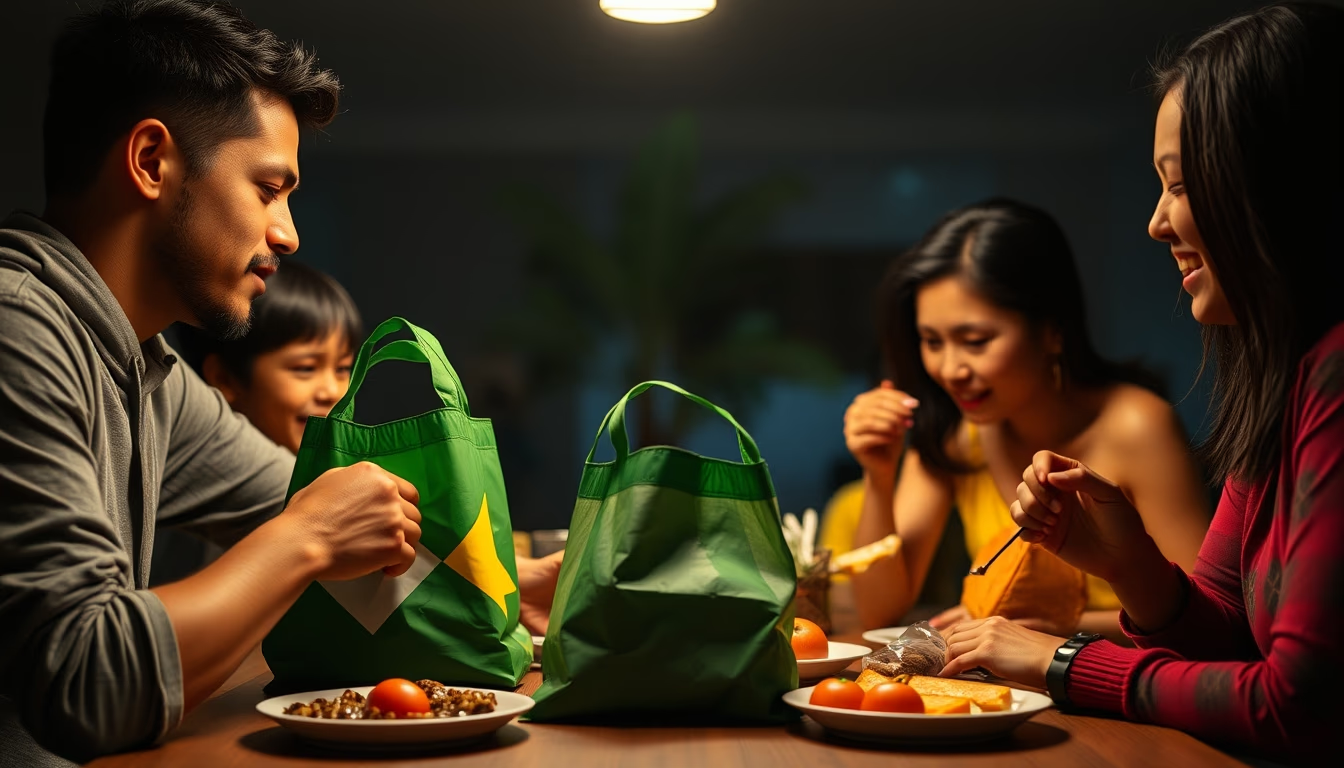
Brazilian family unpacking supermarket groceries at the table, featuring typical foods like beans, rice, and farofa, during a twilight dinner.
About this subject
The image captures a daily moment in many Brazilian households: a family gathered at the table, unpacking groceries just brought from the supermarket. Among the items, staple foods of national cuisine stand out, such as black beans, white rice, and cassava flour, which form the base of the dish known as 'rice and beans'. This combination is so emblematic that it was recognized by UNESCO as an intangible cultural heritage of Brazil in 2022, representing the country's food identity.
The twilight setting suggests dinner time, a meal that traditionally brings the family together after a workday. The supermarket bag, usually plastic or reusable, is a symbol of contemporary consumption, contrasting with the old open-air markets. In Brazil, the habit of weekly supermarket shopping grew from the 1960s onwards, accompanying urbanization and industrialization. Today, about 80% of Brazilians do their shopping at supermarkets, according to the Brazilian Supermarket Association (ABRAS).
Among the typical products, farofa is a versatile side dish made from toasted cassava flour with butter, onions, and other ingredients. Black beans, especially in Rio de Janeiro, are associated with feijoada, a dish dating back to the colonial period. Rice, in turn, has been cultivated in Brazil since the 16th century, with Rio Grande do Sul being the largest national producer. The scene may also include items like coffee, condensed milk, or cookies, common in Brazilian grocery lists.
Interestingly, the act of unpacking groceries at the table is a ritual that reinforces family bonds and the culture of sharing food. In many regions, such as the Northeast, it is common for the family to sit together to 'arrange the market', separating items for the pantry. This practice, though simple, carries values of collectivity and tradition, being portrayed in literature and Brazilian popular music, such as in Gonzaguinha's song 'O Que É, O Que É?'.
Frequently Asked Questions
What are the most common foods in Brazilian supermarket grocery shopping?
The most common items include rice, beans, cassava flour, coffee, milk, sugar, cooking oil, meats (especially chicken and beef), fruits like bananas and oranges, and processed products such as cookies and soft drinks.
Why is rice and beans so important in Brazilian culture?
Rice and beans form the daily dietary staple, providing affordable carbohydrates and proteins, and are present in all regions. It was recognized by UNESCO as an intangible cultural heritage of Brazil in 2022, symbolizing the food identity and resilience of the people.
How did the habit of supermarket shopping develop in Brazil?
The habit grew from the 1960s onwards, accompanying urbanization and industrialization. Previously, shopping was done at open-air markets and grocery stores. Today, supermarkets dominate food retail, with about 80% of purchases made there, according to ABRAS.
Direct URL
https://pub-c7d6a6ea828543ac903a74a341ccb2e1.r2.dev/imagens/family-at-table-eating-brazilian-groceries-from-supermarket-bag-closeup-twilight.avifHow to credit
Include a visible link back to UtilizAí. Copy one of the snippets below:
<a href="https://xn--utiliza-eza.com/en/midia/imagens/family-at-table-eating-brazilian-groceries-from-supermarket-bag-closeup-twilight">Family at table eating Brazilian groceries from supermarket bag</a> by <a href="https://xn--utiliza-eza.com">UtilizAí</a>, licensed under <a href="https://creativecommons.org/licenses/by/4.0/">CC BY 4.0</a>.
[Family at table eating Brazilian groceries from supermarket bag](https://xn--utiliza-eza.com/en/midia/imagens/family-at-table-eating-brazilian-groceries-from-supermarket-bag-closeup-twilight) by [UtilizAí](https://xn--utiliza-eza.com), CC BY 4.0
License: CC-BY-4.0