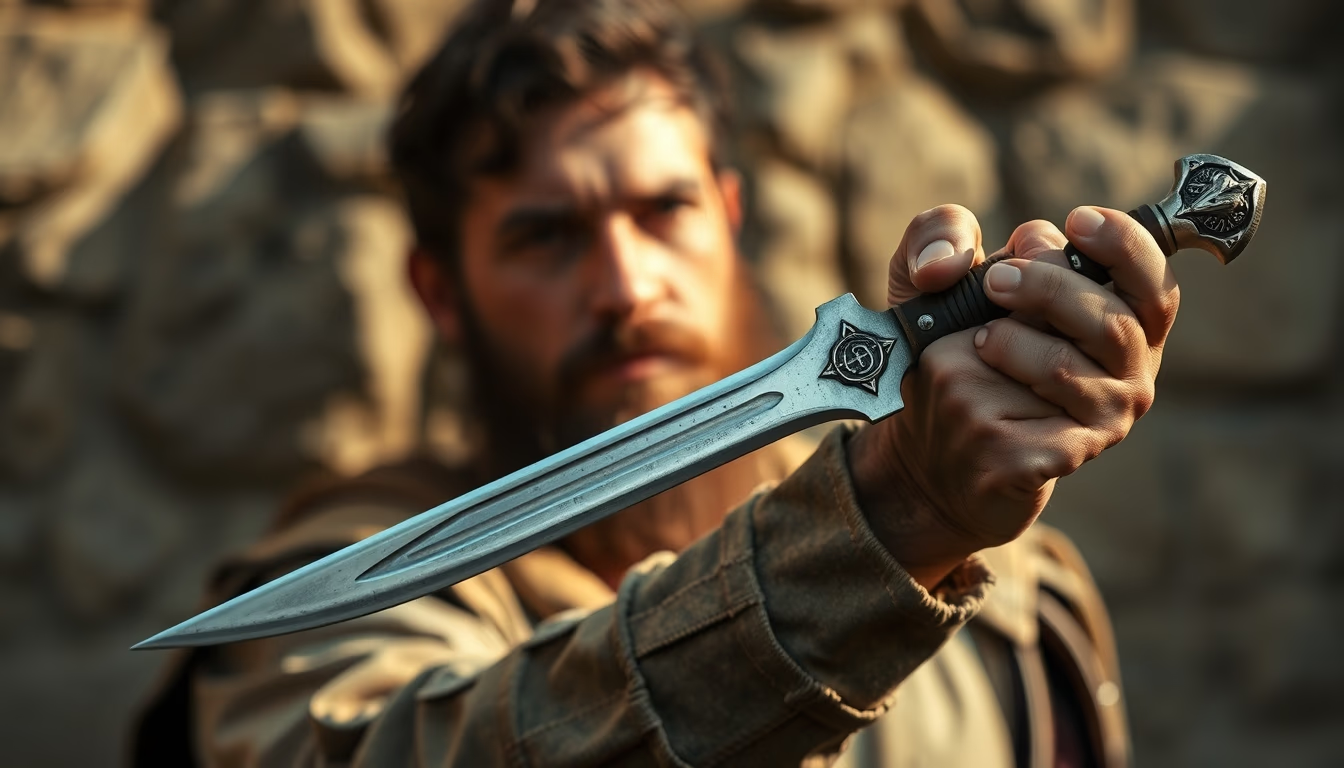
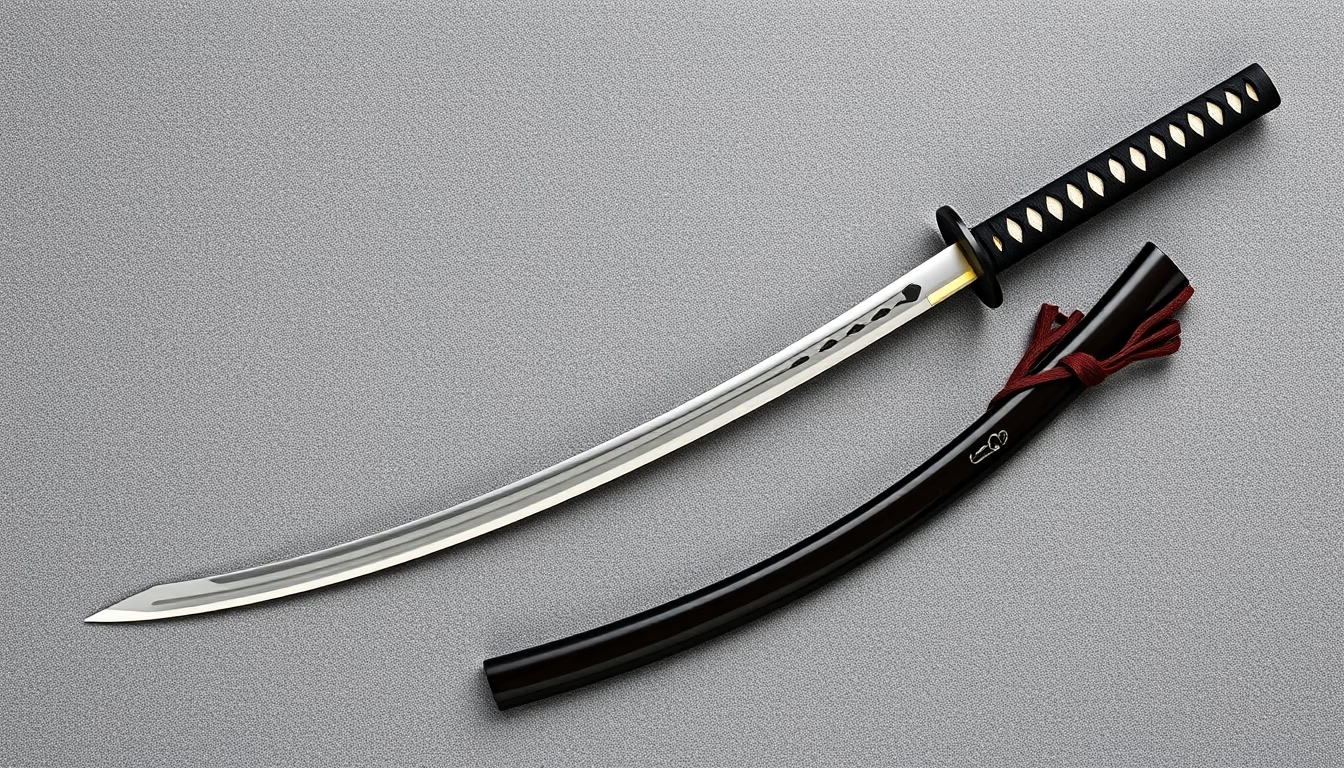
Falchion medieval curved
1344×768 · AVIF · CC BY 4.0
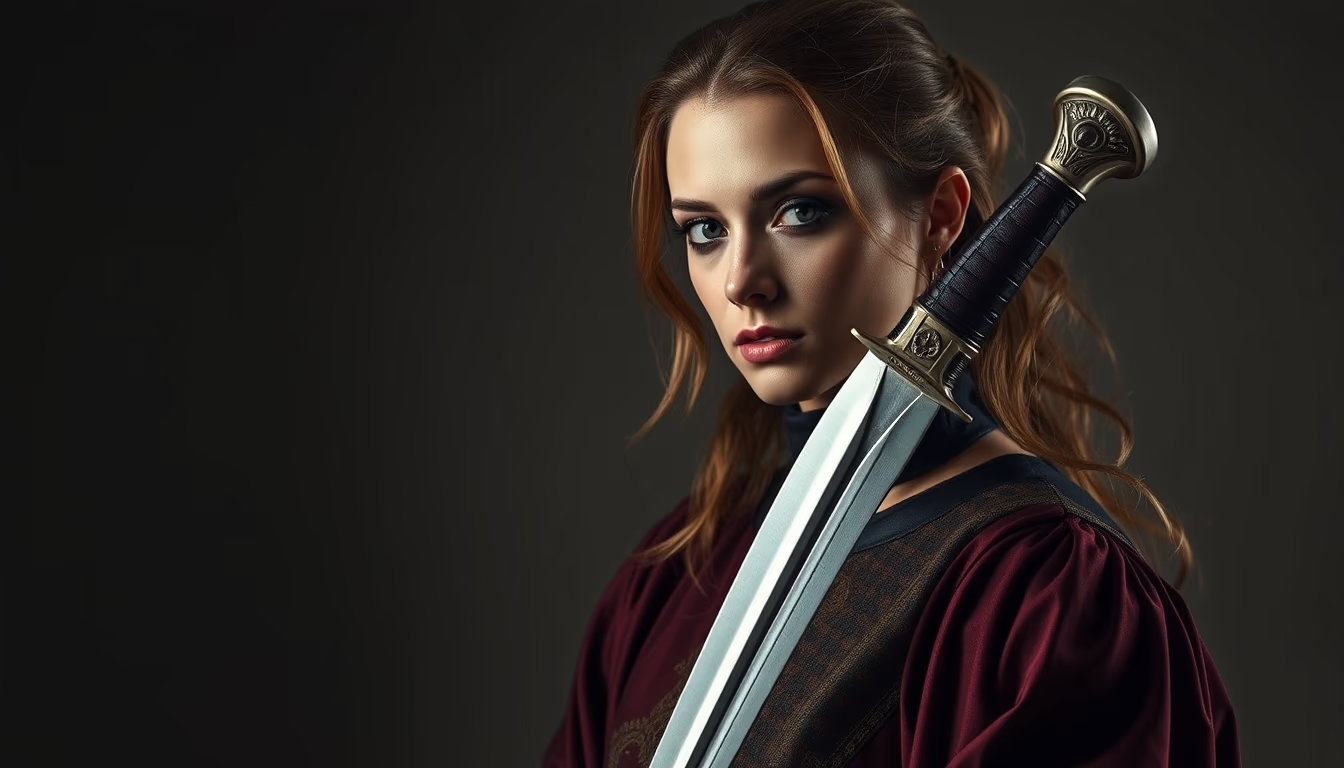
The medieval curved falchion is a broad, single-edged sword popular in Europe from the 13th to 16th centuries, used by warriors and peasants alike.
About this subject
The medieval curved falchion, often simply called falchion, is a type of sword with a broad, single-edged curved blade. Its origins trace back to medieval Europe, particularly France and England, between the 13th and 16th centuries. Unlike double-edged longswords, the falchion was lighter and more compact, ideal for combat in confined spaces or as a secondary weapon. Its curved blade resembled a butcher's knife, earning it the nickname "butcher's sword" in some regions.
The falchion's design combined influences from Eastern weapons like the scimitar with the need for powerful slashing strokes in close-quarters combat. The blade curvature allowed for pulling cuts that could slice through leather or mail armor. Many surviving examples feature elaborate decorations on the hilt and guard, indicating use by both nobles and common soldiers. In medieval literature, the falchion appears in works such as "The Song of Roland" and historical chronicles, associated with knights and mercenaries.
Technically, the falchion had an overall length of 60 to 90 centimeters, with a blade of about 50 to 70 centimeters. Weight ranged from 0.7 to 1.5 kilograms, making it manageable for quick strikes. Although less effective against full plate armor, it was efficient against opponents with lighter protection. Today, the falchion is a collector's piece and is recreated by craftsmen specializing in historical weapons, often displayed in museums and medieval fairs.
Frequently Asked Questions
What is the difference between a falchion and a scimitar?
The medieval curved falchion has a broader blade that is straighter near the hilt, while the scimitar has a more pronounced curve and a narrower blade. The falchion was used in Europe, the scimitar in the Middle East and Asia.
Was the falchion effective against plate armor?
No, the falchion was not effective against full plate armor because its curved and relatively light blade could not penetrate steel. It was more useful against mail, leather, or unarmored opponents.
What is the typical weight of a medieval falchion?
The medieval falchion typically weighed between 0.7 and 1.5 kg, with an overall length of 60 to 90 cm. This made it lighter than a longsword, facilitating quick strikes.
Direct URL
https://pub-c7d6a6ea828543ac903a74a341ccb2e1.r2.dev/imagens/falchion-medieval-curved-high-fashion-editorial-fresh7.avifHow to credit
Include a visible link back to UtilizAí. Copy one of the snippets below:
<a href="https://xn--utiliza-eza.com/en/midia/imagens/falchion-medieval-curved-high-fashion-editorial-fresh7">Falchion medieval curved</a> by <a href="https://xn--utiliza-eza.com">UtilizAí</a>, licensed under <a href="https://creativecommons.org/licenses/by/4.0/">CC BY 4.0</a>.
[Falchion medieval curved](https://xn--utiliza-eza.com/en/midia/imagens/falchion-medieval-curved-high-fashion-editorial-fresh7) by [UtilizAí](https://xn--utiliza-eza.com), CC BY 4.0
License: CC-BY-4.0