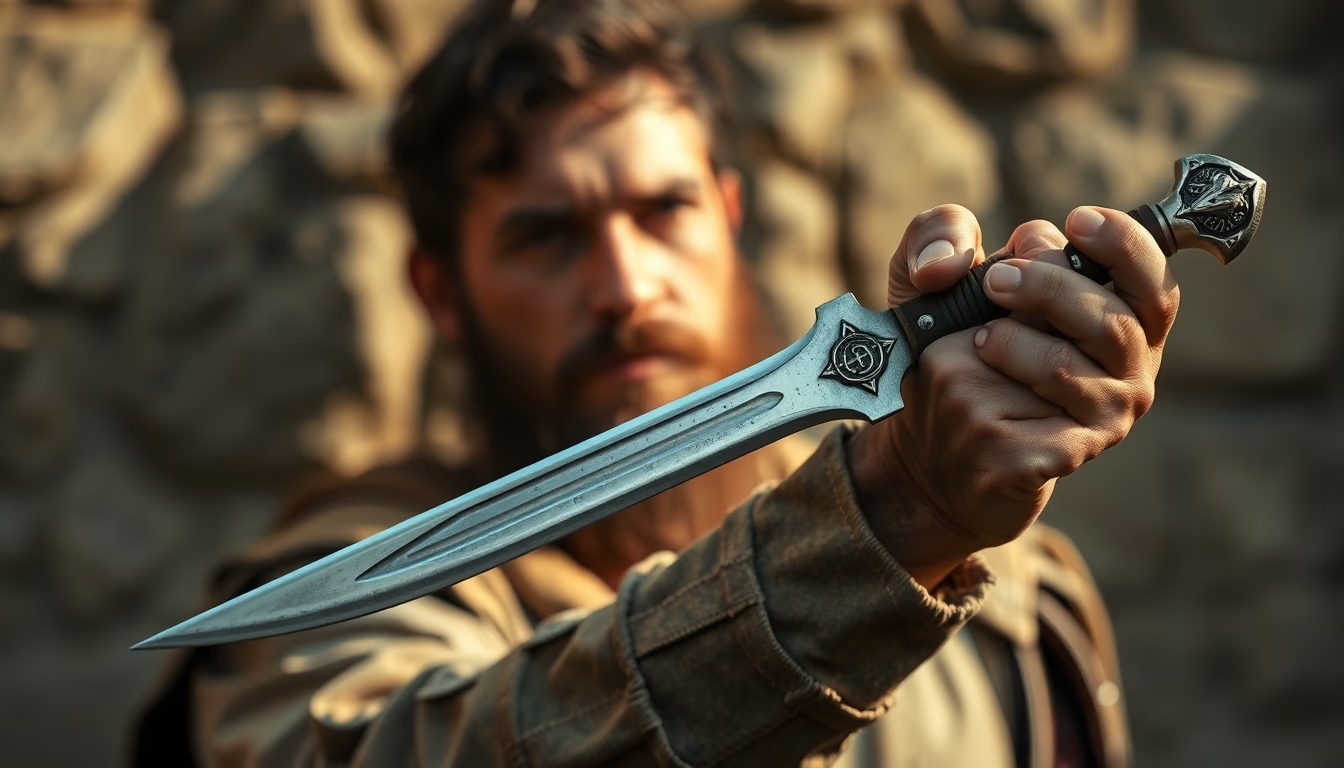
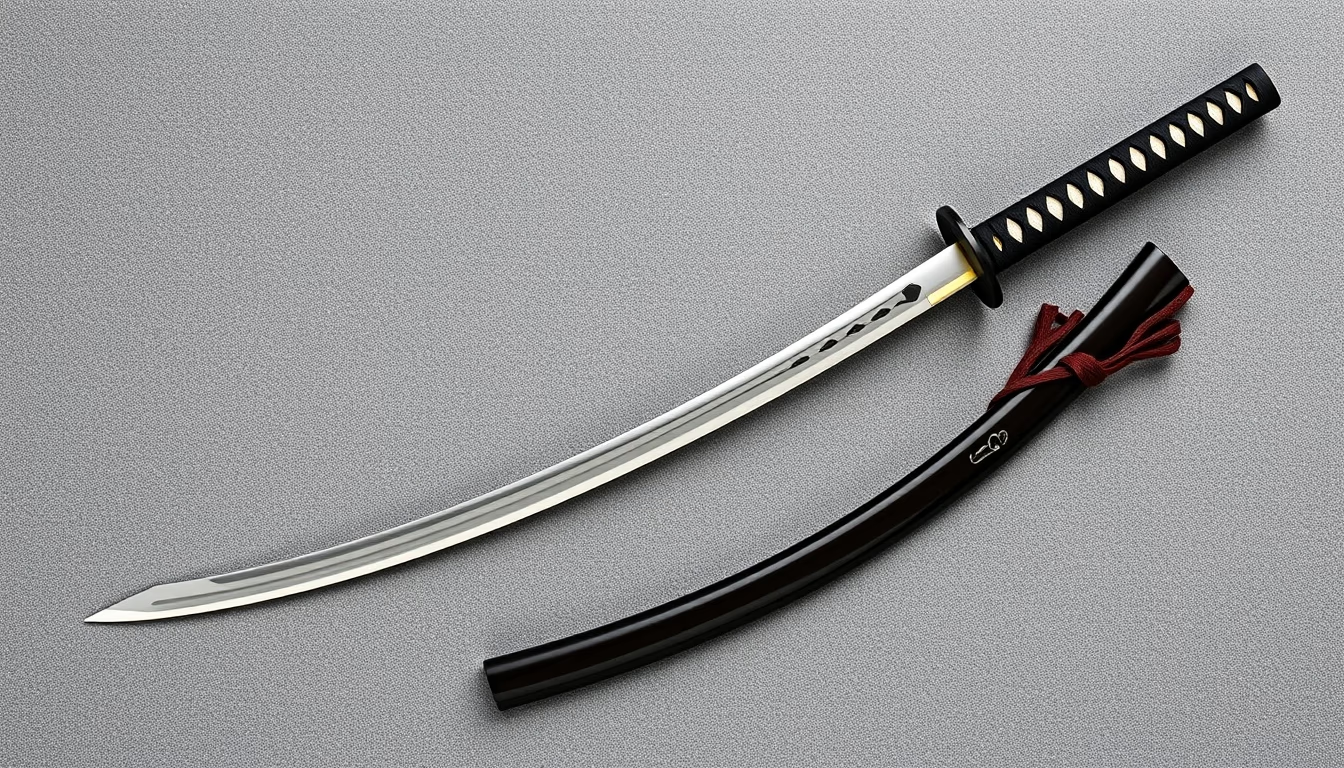
Falchion medieval curved
1344×768 · AVIF · CC BY 4.0
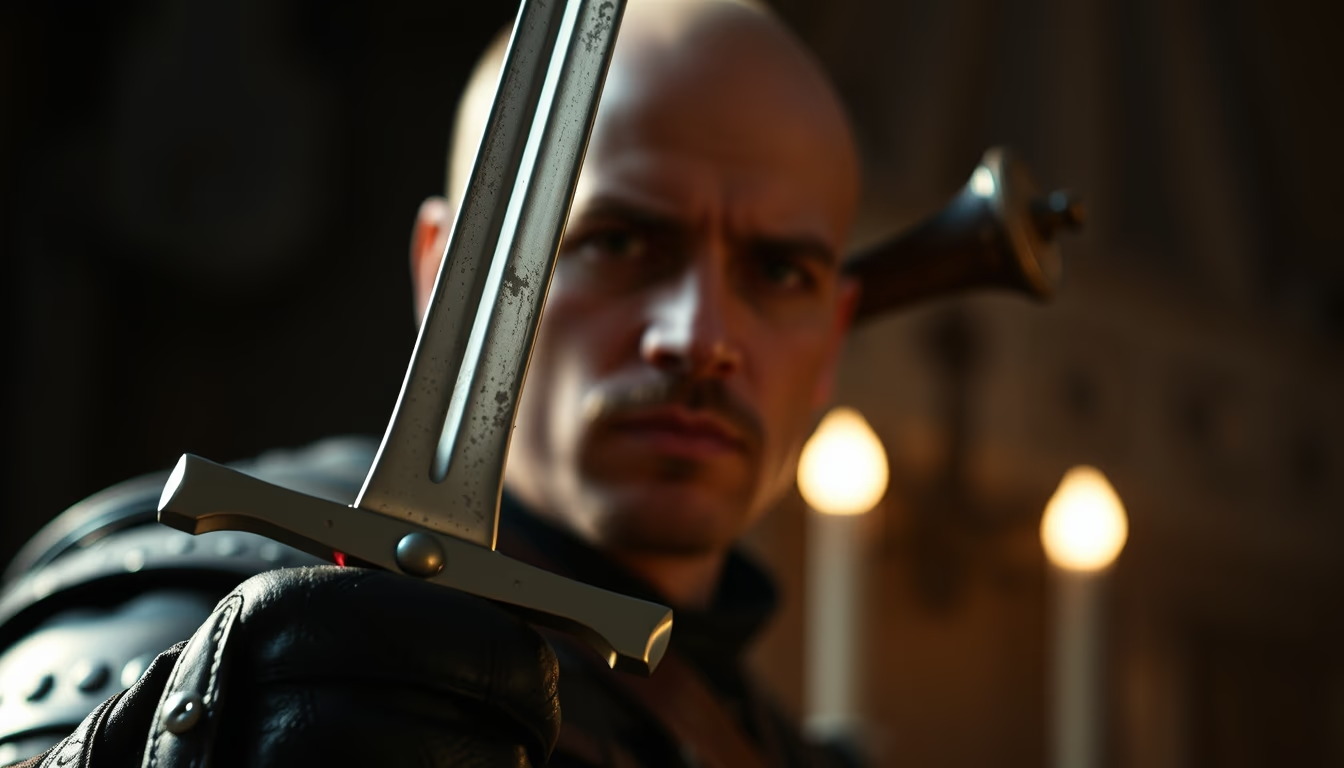
The falchion is a medieval sword with a curved, single-edged blade, popular among infantry soldiers from the 13th to 16th centuries.
About this subject
The falchion is a type of medieval sword characterized by a broad, curved, single-edged blade, often with a pronounced counterweight. It emerged in Europe around the 13th century, possibly influenced by saber designs from Asia or the Middle East, though it developed independently. Unlike longswords with straight double-edged blades, the falchion was lighter and designed for powerful slashing cuts, making it an efficient weapon for infantry soldiers, peasants, and less affluent knights.
The curved blade of the falchion allowed for chopping blows with high energy, capable of cutting through flesh and bone, but its point was less effective for thrusts. Regional variations existed: the German falchion (Grosse Messer) had a straighter blade and a long hilt reminiscent of a machete, while Italian and French models displayed more pronounced curves. Famous historical examples include the Conyers falchion (13th century) and the Thorpe falchion (14th century).
Despite its popularity among common soldiers, the falchion was not a noble weapon like the longsword; it was often viewed as a rustic tool. However, its effectiveness in close combat ensured its use until the 16th century, when it was gradually replaced by more specialized swords and firearms. Today, replicas are collected by medieval weapon enthusiasts and appear in historical reenactments.
Frequently Asked Questions
What is the difference between a falchion and a saber?
A falchion is a medieval European sword with a curved, single-edged blade, while a saber is a later weapon (18th century) with a curved blade and closed hilt, associated with cavalry. The falchion has a broader, heavier blade focused on brutal cuts.
Were falchions used by knights?
Yes, though more associated with infantry, some knights used falchions as a secondary weapon. However, the longsword was the primary knightly weapon.
Are there famous surviving falchions?
Yes, examples like the Conyers Falchion (13th century, found in England) and the Thorpe Falchion (14th century) are in museums. Warwick Castle displays a 14th-century falchion.
Direct URL
https://pub-c7d6a6ea828543ac903a74a341ccb2e1.r2.dev/imagens/falchion-medieval-curved-fine-art-photography-fresh3.avifHow to credit
Include a visible link back to UtilizAí. Copy one of the snippets below:
<a href="https://xn--utiliza-eza.com/en/midia/imagens/falchion-medieval-curved-fine-art-photography-fresh3">Falchion medieval curved</a> by <a href="https://xn--utiliza-eza.com">UtilizAí</a>, licensed under <a href="https://creativecommons.org/licenses/by/4.0/">CC BY 4.0</a>.
[Falchion medieval curved](https://xn--utiliza-eza.com/en/midia/imagens/falchion-medieval-curved-fine-art-photography-fresh3) by [UtilizAí](https://xn--utiliza-eza.com), CC BY 4.0
License: CC-BY-4.0