Embroidery floss rainbow
1344×768 · AVIF · CC BY 4.0
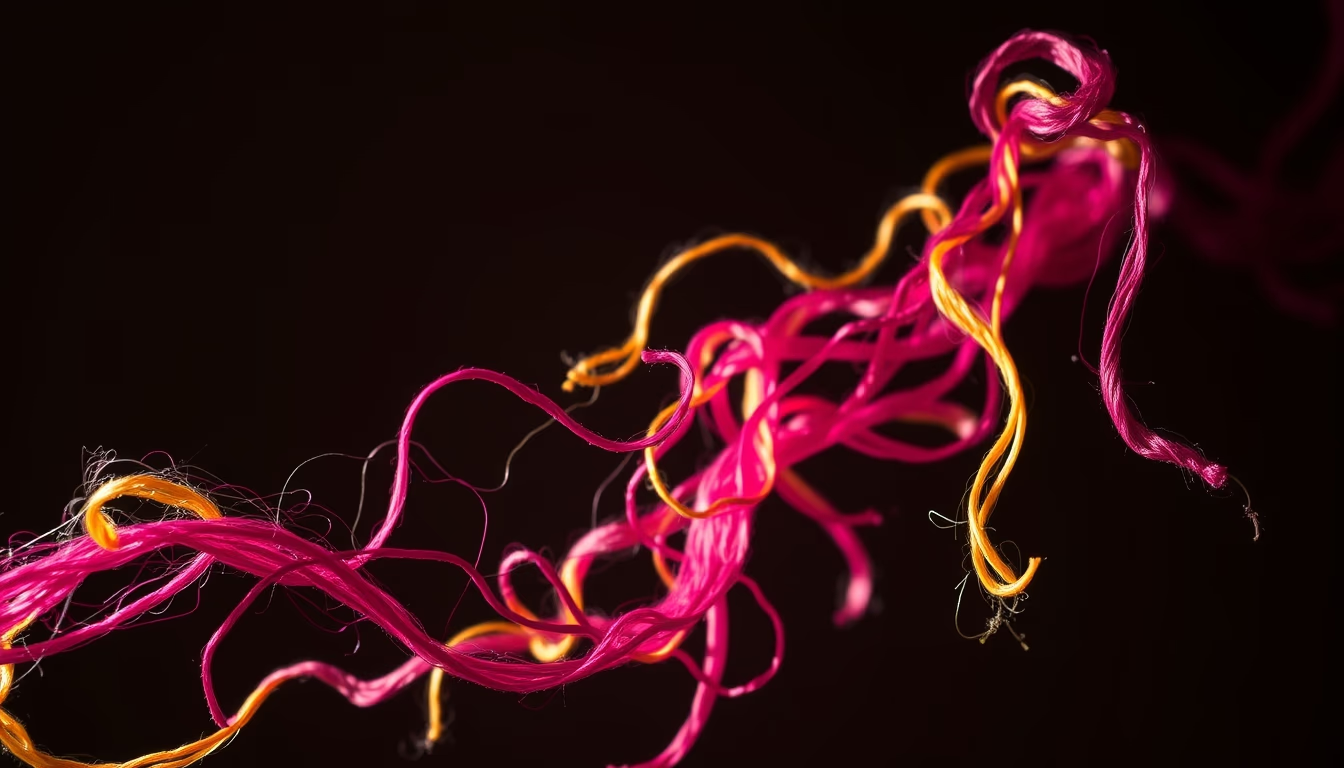
Embroidery floss rainbow: a burst of colors for textile crafts, from cross-stitch to free embroidery.
About this subject
Embroidery is one of humanity's oldest textile arts, and embroidery floss is its primary tool. Typically made of mercerized cotton, silk, or polyester, embroidery floss consists of six easily separable strands, allowing adjustment of thread thickness. A rainbow of floss, as seen in the image, represents the vast palette available to embroiderers, essential for creating gradients, shading, and realistic details.
In Brazil, embroidery has strong regional traditions. In states like Ceará and Rio Grande do Norte, Richelieu embroidery is famous for its cutouts and lacework. Cross-stitch, popularized by magazines and kits, uses solid-color threads to form geometric or figurative patterns. Embroidery floss is also raw material for other techniques such as macramé and friendship bracelet making.
The textile industry produces threads in hundreds of shades, following color cards like DMC or Anchor. Each color gets a unique number, making it easy to reproduce embroidery charts. Fun fact: embroidery floss can be used on materials other than fabric, such as paper (paper embroidery) and leather.
The rainbow arrangement is not just aesthetic: it helps organize threads visually during work, preventing tangles. Many embroiderers store their floss on paper or plastic bobbins, cataloged by color, forming true spectrums of creative possibilities.
Frequently Asked Questions
What is the difference between embroidery floss and sewing thread?
Embroidery floss is usually more lustrous, more tightly twisted, and designed to be visible, while sewing thread is smoother and stronger for joining fabrics. Embroidery floss also consists of six separable strands.
How to organize embroidery floss by color?
A common method is to use plastic or paper bobbins, winding each skein and labeling it with the color number. Then organize them by color spectrum or numbering to easily find the desired shade.
What type of fabric is best for embroidery floss?
Even-weave fabrics like Aida cloth and linen are ideal for cross-stitch. For free embroidery, any firm fabric such as denim, felt, or twill works well. The key is that the fabric can withstand the tension of the stitches.
Direct URL
https://pub-c7d6a6ea828543ac903a74a341ccb2e1.r2.dev/imagens/embroidery-floss-rainbow-rembrandt-lighting-dramatic-shadows-fresh15.avifHow to credit
Include a visible link back to UtilizAí. Copy one of the snippets below:
<a href="https://xn--utiliza-eza.com/en/midia/imagens/embroidery-floss-rainbow-rembrandt-lighting-dramatic-shadows-fresh15">Embroidery floss rainbow</a> by <a href="https://xn--utiliza-eza.com">UtilizAí</a>, licensed under <a href="https://creativecommons.org/licenses/by/4.0/">CC BY 4.0</a>.
[Embroidery floss rainbow](https://xn--utiliza-eza.com/en/midia/imagens/embroidery-floss-rainbow-rembrandt-lighting-dramatic-shadows-fresh15) by [UtilizAí](https://xn--utiliza-eza.com), CC BY 4.0
License: CC-BY-4.0