Embroidery floss rainbow
1344×768 · AVIF · CC BY 4.0

Embroidery floss in a rainbow of vibrant colors, used in textile techniques worldwide.
About this subject
Embroidery floss is one of the most versatile and accessible materials in the textile world. Typically composed of six strands of mercerized cotton, it can be separated to create different thicknesses and effects. The colorful array forming a rainbow reflects the wide palette available, ranging from traditional hues to neon and pastel shades. This variety allows embroiderers and craftspeople to express creativity in pieces from clothing and accessories to decorative panels and home decor items.
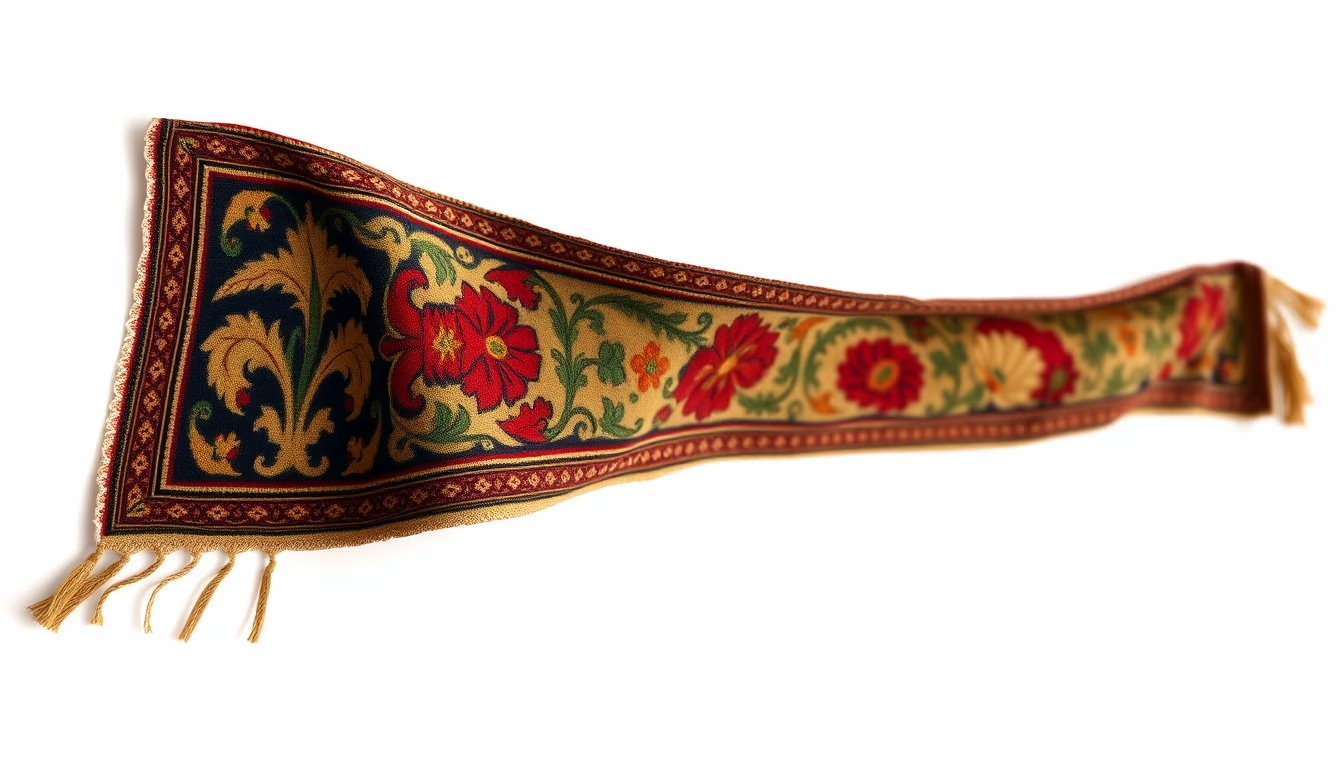
The production of vibrant embroidery floss gained momentum in the 19th century with the Industrial Revolution and the development of synthetic dyes. Brands like DMC, founded in France in 1746, became global references, offering hundreds of standardized colors. The DMC color code is used internationally to ensure consistency in shared projects. Embroidery itself is an ancient technique present in many cultures, such as Ukrainian cross-stitch, Japanese sashiko, and Brazilian free embroidery.
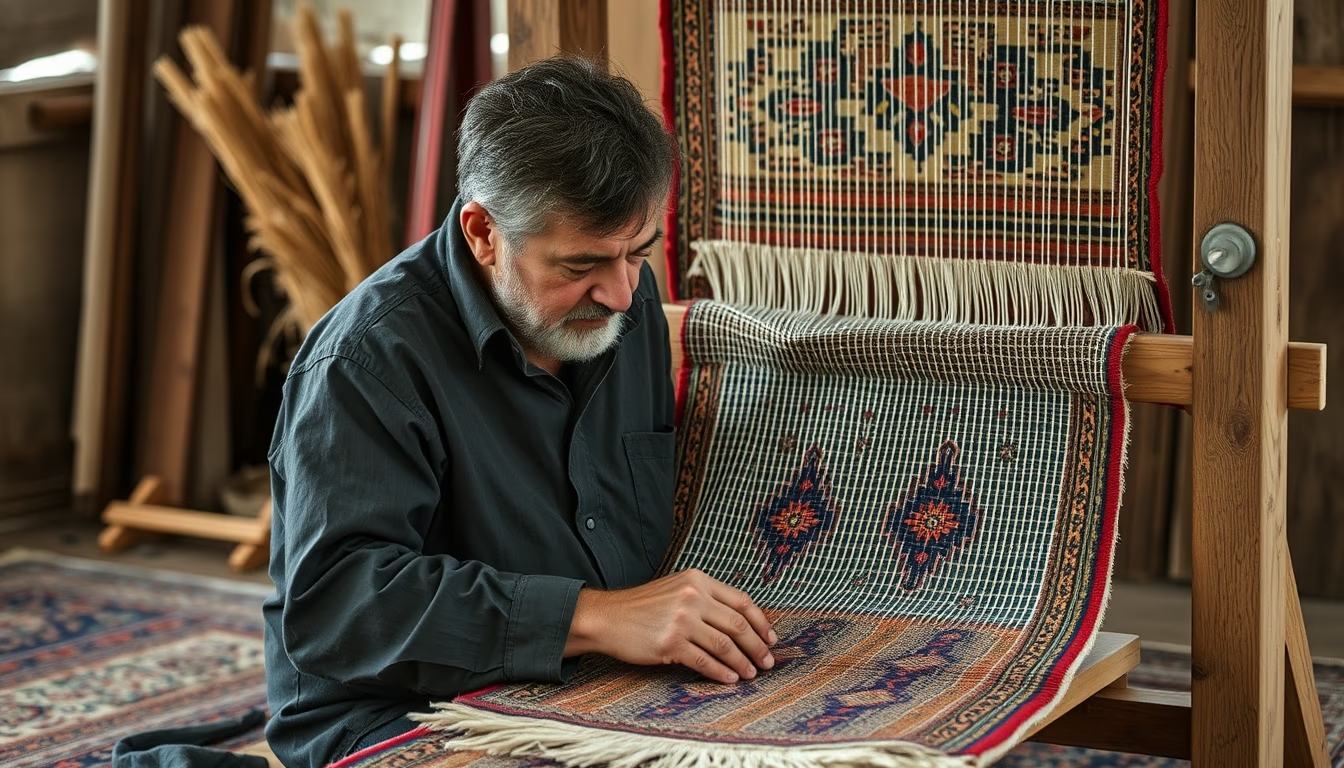
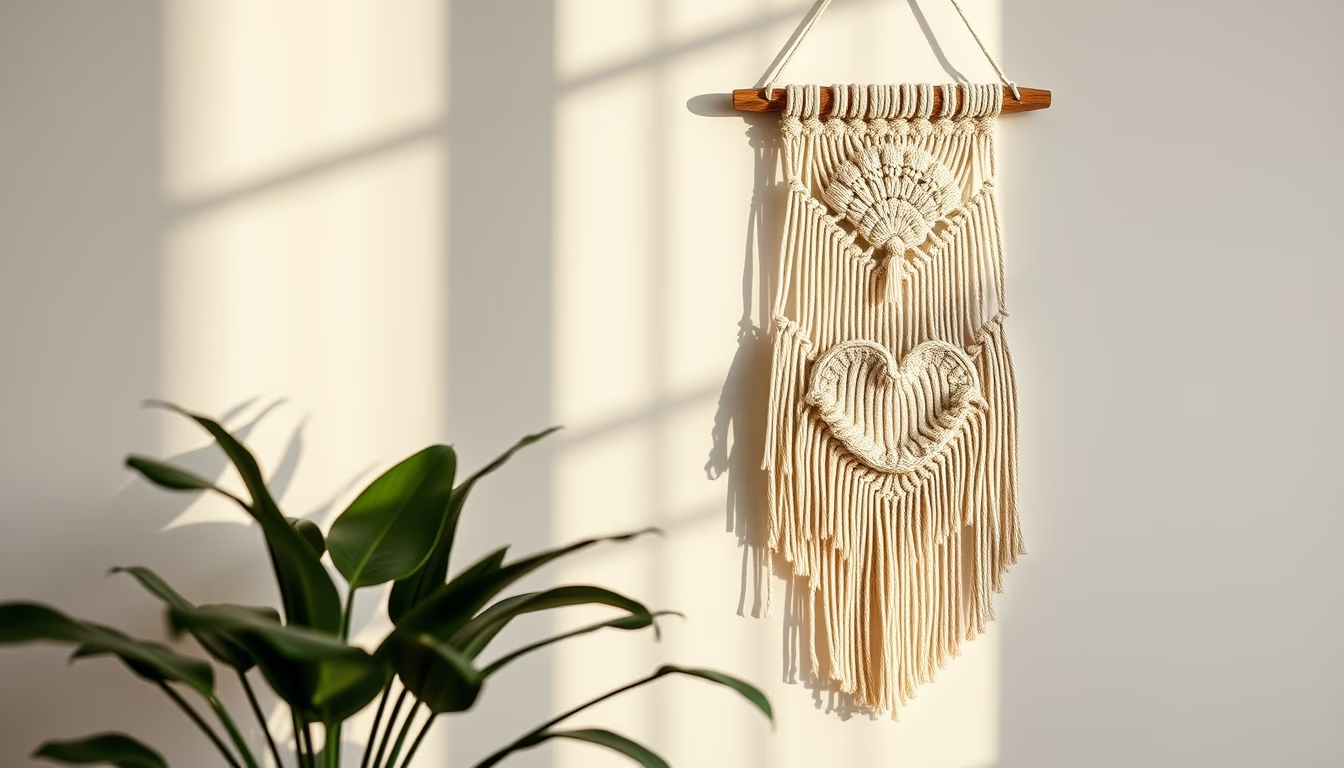
The use of colorful threads goes beyond traditional embroidery. Contemporary techniques like free embroidery and thread painting use color gradients to create realism and impressive textures. Additionally, embroidery floss is employed in macramé, tapestry, and even textile jewelry. The durability and sheen of mercerized cotton make it ideal for projects requiring resilience and chromatic vibrancy.
Interestingly, the arrangement of colors in a rainbow (red, orange, yellow, green, blue, indigo, violet) follows the sequence of the visible light spectrum. This order is often used by artisans to plan gradients and harmonious combinations. The popularity of embroidery as a hobby surged during the pandemic, with searches for kits and tutorials increasing significantly. Today, online communities share patterns and tips, keeping this global textile art alive.
Frequently Asked Questions
What are the most common types of embroidery floss?
The most common is mercerized cotton floss, sold in skeins of 6 strands. Silk, wool, and synthetic threads are also available. Cotton is preferred for its durability and sheen.
How to choose the right colors for an embroidery project?
Use a color wheel for complementary or analogous combinations. Pre-selected kits and DMC color cards help plan. For gradients, arrange threads in spectral order.
Can embroidery floss be used in techniques other than embroidery?
Yes, in macramé, tapestry, jewelry, creative sewing, and even bookbinding. The material's versatility allows for various textile applications.
Direct URL
https://pub-c7d6a6ea828543ac903a74a341ccb2e1.r2.dev/imagens/embroidery-floss-rainbow-long-exposure-fresh11.avifHow to credit
Include a visible link back to UtilizAí. Copy one of the snippets below:
<a href="https://xn--utiliza-eza.com/en/midia/imagens/embroidery-floss-rainbow-long-exposure-fresh11">Embroidery floss rainbow</a> by <a href="https://xn--utiliza-eza.com">UtilizAí</a>, licensed under <a href="https://creativecommons.org/licenses/by/4.0/">CC BY 4.0</a>.
[Embroidery floss rainbow](https://xn--utiliza-eza.com/en/midia/imagens/embroidery-floss-rainbow-long-exposure-fresh11) by [UtilizAí](https://xn--utiliza-eza.com), CC BY 4.0
License: CC-BY-4.0