Electronic vote machine technician configuring Brazilian voting machine
1344×768 · AVIF · CC BY 4.0
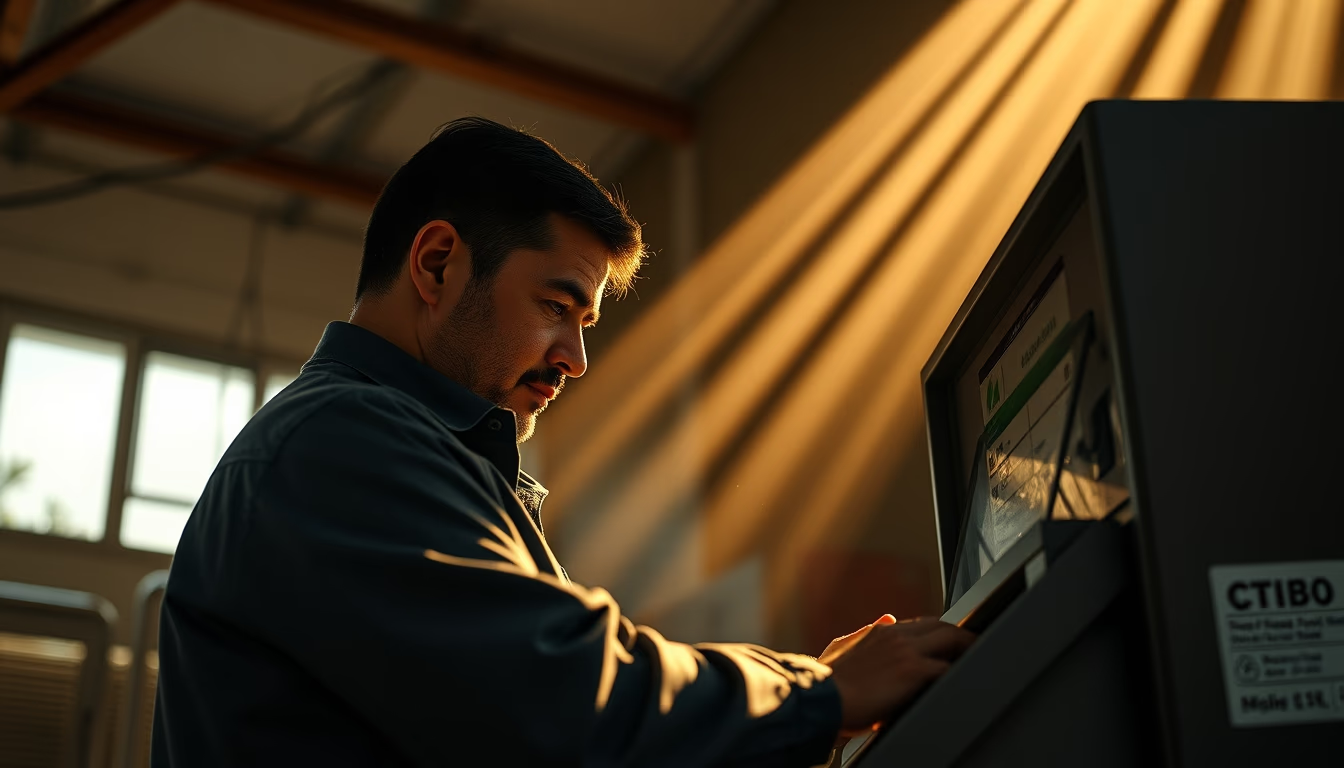
A technician configures the Brazilian electronic voting machine before elections, ensuring security and transparency in the voting process.
About this subject
The Brazilian electronic voting machine, known as urna eletrônica, has been used in elections in Brazil since 1996. Developed by the Superior Electoral Court (TSE), it replaced paper ballots, reducing fraud and speeding up vote counting. The technician in the image performs the machine configuration, which includes installing voting software, functionality tests, and verifying security seals. This process is crucial to ensure the machine is ready to receive voters' votes.
Before each election, the electronic voting machines undergo a series of audit procedures. One of the most important steps is the loading and sealing ceremony, during which TSE technicians and representatives of political parties monitor the installation of programs and the generation of voting files. The voting machine runs a customized Linux operating system, digitally signed to prevent tampering. Additionally, each machine prints a vote tally at the end of voting, allowing results to be cross-checked.
Interestingly, Brazil is one of the few countries in the world to adopt fully electronic voting nationwide. Since implementation, there have been no reports of large-scale fraud, attesting to the system's reliability. The voting machine is also designed for accessibility, with a Braille keyboard and audio for visually impaired voters. During configuration, the technician must ensure these features are working correctly.
The security of electronic voting machines is constantly improved. In 2020, the TSE introduced auditable printed votes, which allow verification of votes through a QR code printed on the receipt. Although the printed vote is not manually counted, it serves as an additional audit mechanism. Proper configuration by the technical team is fundamental to the success of the Brazilian electoral process, which involves over 500,000 machines nationwide.
Frequently Asked Questions
How does the Brazilian electronic voting machine ensure vote security?
The voting machine uses a customized Linux operating system with digital signatures, security seals, and public auditing. Each machine prints a vote tally at the end of voting for verification.
What is the technician's role in configuring the voting machine?
The technician installs voting software, performs functionality tests, verifies security seals, and ensures accessibility features such as Braille keyboard and audio are working.
Since when has the electronic voting machine been used in Brazil?
The electronic voting machine was adopted in 1996, replacing paper ballots. Since then, Brazil has conducted fully electronic elections nationwide.
Direct URL
https://pub-c7d6a6ea828543ac903a74a341ccb2e1.r2.dev/imagens/electronic-vote-machine-technician-configuring-brazilian-urna-eletronica-editorial-overcast-daytime-3.avifHow to credit
Include a visible link back to UtilizAí. Copy one of the snippets below:
<a href="https://xn--utiliza-eza.com/en/midia/imagens/electronic-vote-machine-technician-configuring-brazilian-urna-eletronica-editorial-overcast-daytime-3">Electronic vote machine technician configuring Brazilian voting machine</a> by <a href="https://xn--utiliza-eza.com">UtilizAí</a>, licensed under <a href="https://creativecommons.org/licenses/by/4.0/">CC BY 4.0</a>.
[Electronic vote machine technician configuring Brazilian voting machine](https://xn--utiliza-eza.com/en/midia/imagens/electronic-vote-machine-technician-configuring-brazilian-urna-eletronica-editorial-overcast-daytime-3) by [UtilizAí](https://xn--utiliza-eza.com), CC BY 4.0
License: CC-BY-4.0