Electronic vote machine technician configuring Brazilian voting machine
1344×768 · AVIF · CC BY 4.0
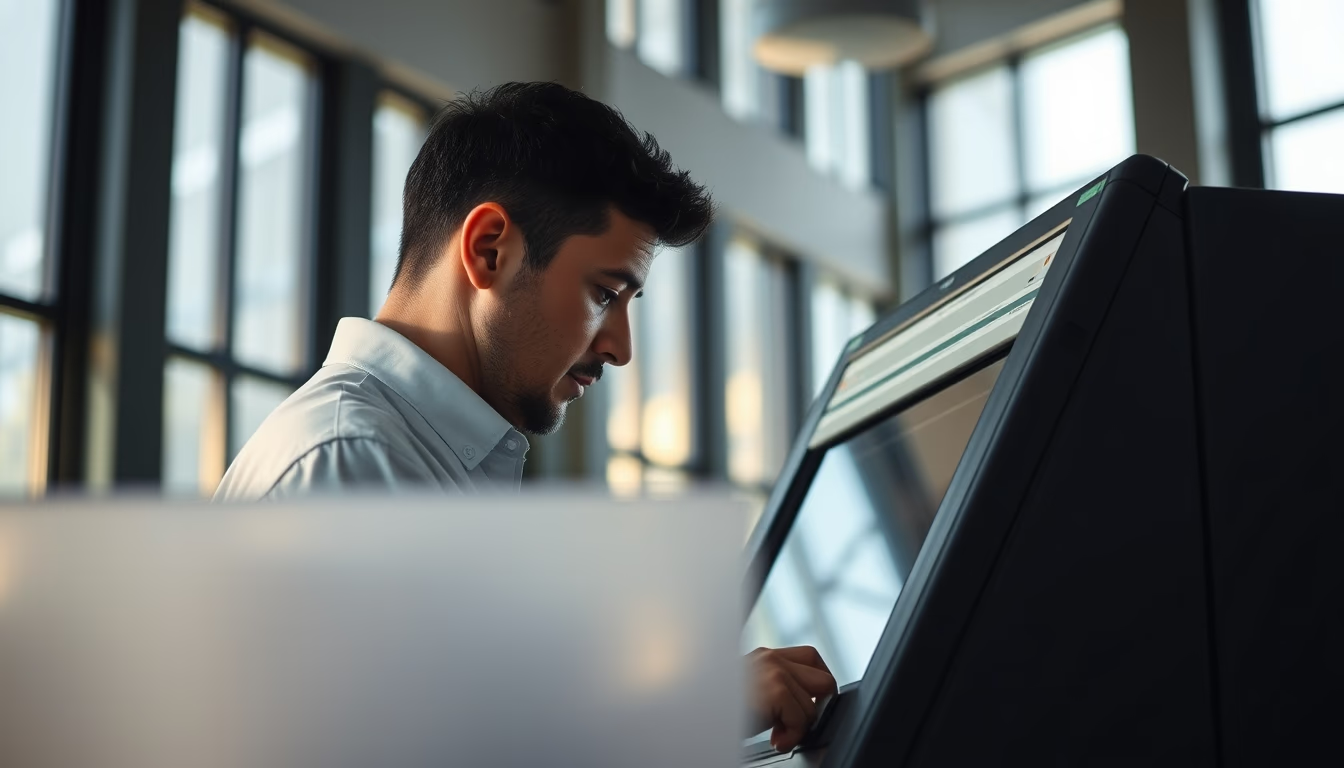
A technician configures a Brazilian electronic voting machine before elections, ensuring security and transparency in the democratic process.
About this subject
The Brazilian electronic voting machine, developed by the Superior Electoral Court (TSE), is one of the most advanced and secure voting systems in the world. Introduced in 1996, it eliminated historical fraud associated with paper ballots and drastically reduced vote counting time. Each machine is a dedicated computer with no internet connection, running open-source software audited by political parties, universities, and oversight bodies.
During configuration, specialized technicians load candidate and voter lists, perform integrity tests, and seal the equipment. The process follows strict security protocols, including encryption and digital signatures for data. In 2022, over 500,000 machines served 156 million voters, with a failure rate below 0.01%.
The Brazilian system has inspired other countries, such as Paraguay, Argentina, and Bangladesh, which adopted similar technologies. Despite unfounded criticism about alleged vulnerabilities, the electronic voting machine has never recorded a proven case of fraud. Since 2018, mandatory biometric identification links voters' fingerprints to their votes, further enhancing security.
Morning configuration occurs on election days, with technicians deployed across all electoral zones. Each machine undergoes a functionality test before being sent to polling stations. The system's reliability is attested by independent audits and the possibility of electronic vote recounting, ensuring the popular will.
Frequently Asked Questions
How does the electronic voting machine ensure vote security?
The machine has no internet connection, uses encryption and digital signatures, and undergoes audits by political parties and independent bodies. Mandatory biometrics since 2018 link voters' fingerprints to their votes.
How many electronic voting machines are used in Brazilian elections?
In 2022, over 500,000 machines served 156 million voters across the country.
Has the Brazilian electronic voting machine been adopted by other countries?
Yes, countries like Paraguay, Argentina, and Bangladesh have implemented similar systems based on the Brazilian model.
Direct URL
https://pub-c7d6a6ea828543ac903a74a341ccb2e1.r2.dev/imagens/electronic-vote-machine-technician-configuring-brazilian-urna-eletronica-documentary-morning-3.avifHow to credit
Include a visible link back to UtilizAí. Copy one of the snippets below:
<a href="https://xn--utiliza-eza.com/en/midia/imagens/electronic-vote-machine-technician-configuring-brazilian-urna-eletronica-documentary-morning-3">Electronic vote machine technician configuring Brazilian voting machine</a> by <a href="https://xn--utiliza-eza.com">UtilizAí</a>, licensed under <a href="https://creativecommons.org/licenses/by/4.0/">CC BY 4.0</a>.
[Electronic vote machine technician configuring Brazilian voting machine](https://xn--utiliza-eza.com/en/midia/imagens/electronic-vote-machine-technician-configuring-brazilian-urna-eletronica-documentary-morning-3) by [UtilizAí](https://xn--utiliza-eza.com), CC BY 4.0
License: CC-BY-4.0