Electric bus station
1344×768 · AVIF · CC BY 4.0
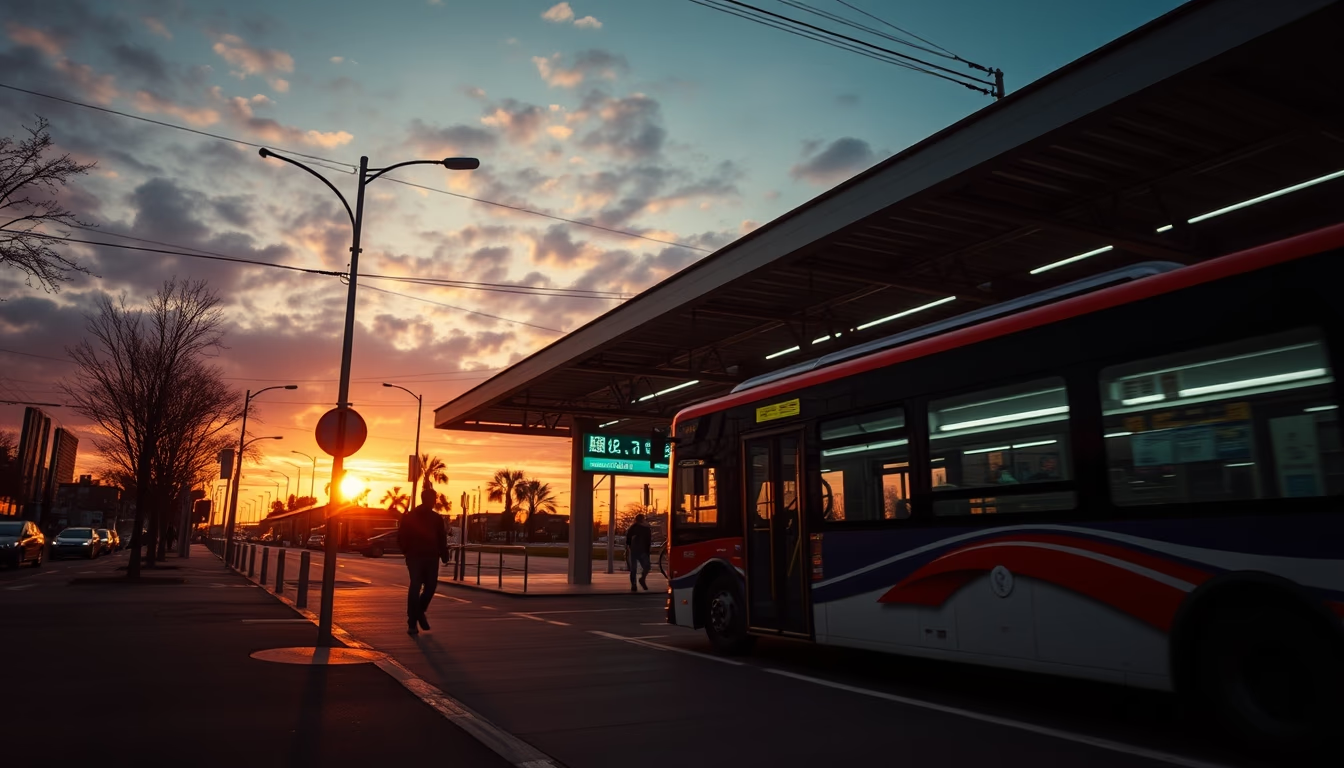
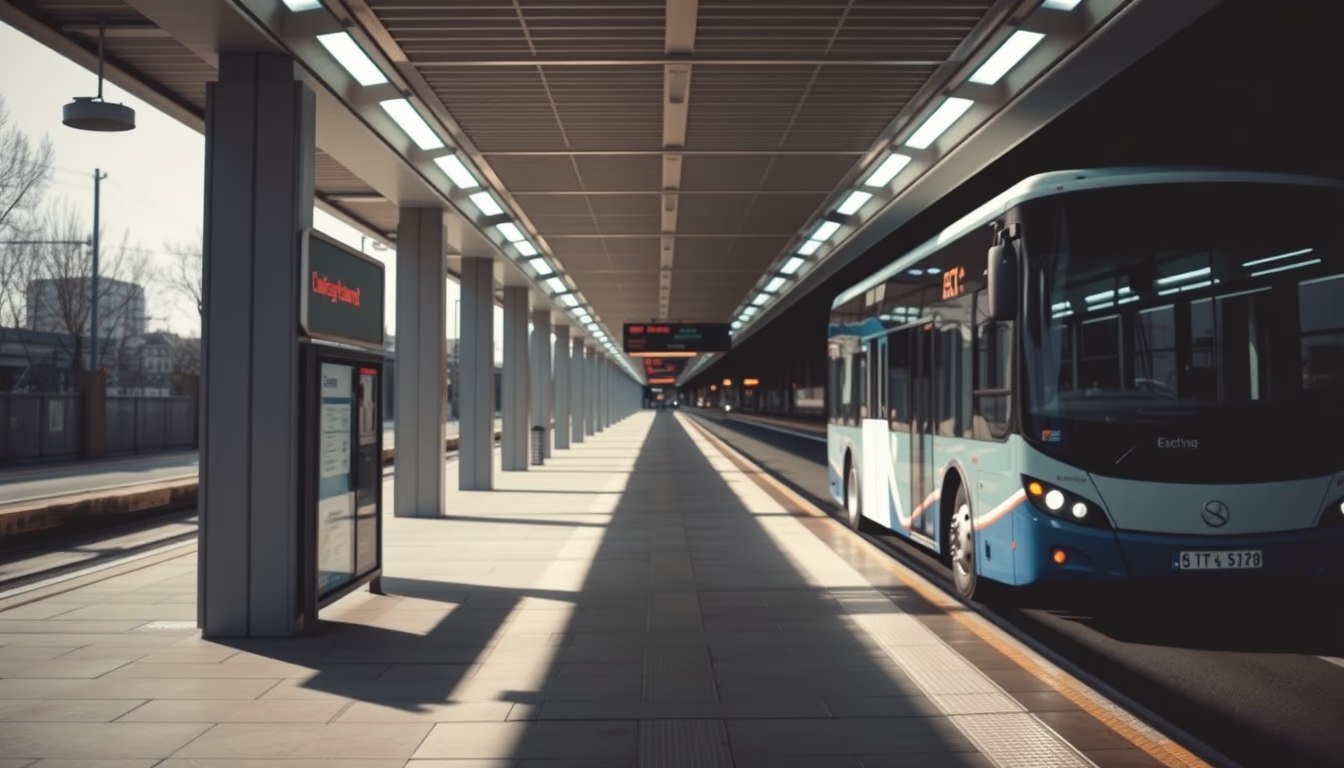
Electric bus stations are strategic hubs for sustainable urban mobility, integrating fast charging and smart technology.
About this subject
Electric bus stations represent a major leap in public transport infrastructure. Unlike traditional stops, these hubs are designed for high-power charging, allowing buses to replenish batteries in minutes during scheduled layovers. Many stations now feature rooftop solar panels to generate clean energy, further cutting carbon footprints. Cities like Shenzhen, China, and Santiago, Chile, have deployed entire electric bus fleets with dedicated stations, proving technical and economic feasibility.
Embedded technology goes beyond charging. IoT sensors monitor energy consumption, battery temperature, and passenger flow. Real-time data feeds control centers, optimizing routes and schedules. Some stations offer Wi-Fi and digital displays showing wait times and next bus battery levels. Integration with ticketing apps and mobility platforms streamlines the user experience, making public transit more reliable and attractive.
Architectural design reflects smart city trends: modular structures, recyclable materials, and LED lighting. Green roofs and vertical gardens help mitigate urban heat islands. In Brazil, cities like São Paulo and Brasília are testing dedicated electric bus corridors with adapted stations, aligning with decarbonization goals. The transport sector accounts for about 25% of global CO2 emissions, and electrification is key to reducing that.
Beyond environmental gains, electric bus stations yield long-term savings. Operating cost per kilometer can be up to 70% lower than diesel buses, considering maintenance and energy. When powered by renewables, charging stations support grid stability through stationary battery storage. This model is already deployed in European cities such as Oslo and London, which aim for 100% electric bus fleets by 2030.
Frequently Asked Questions
How long does it take to charge an electric bus at a dedicated station?
Charging time depends on the charger power. With ultra-fast chargers (450, 600 kW), a bus can go from 0 to 80% in 15, 30 minutes. Overnight slow charging may take 3, 5 hours.
Do electric bus stations use solar power?
Yes, many modern stations have rooftop solar panels to generate part of their energy. Combined with stationary batteries, they can operate partially off-grid, reducing strain on the conventional grid.
Which Brazilian cities have electric bus stations?
São Paulo, Brasília, and Curitiba have pilot projects. In São Paulo, line 509M-10 uses electric buses with charging stations at Terminal Pinheiros. Brasília has exclusive corridors with en-route charging.
Direct URL
https://pub-c7d6a6ea828543ac903a74a341ccb2e1.r2.dev/imagens/electric-bus-station-cinematic-wide-shot-p1.avifHow to credit
Include a visible link back to UtilizAí. Copy one of the snippets below:
<a href="https://xn--utiliza-eza.com/en/midia/imagens/electric-bus-station-cinematic-wide-shot-p1">Electric bus station</a> by <a href="https://xn--utiliza-eza.com">UtilizAí</a>, licensed under <a href="https://creativecommons.org/licenses/by/4.0/">CC BY 4.0</a>.
[Electric bus station](https://xn--utiliza-eza.com/en/midia/imagens/electric-bus-station-cinematic-wide-shot-p1) by [UtilizAí](https://xn--utiliza-eza.com), CC BY 4.0
License: CC-BY-4.0