Edwardian platinum ring filigree
1344×768 · AVIF · CC BY 4.0
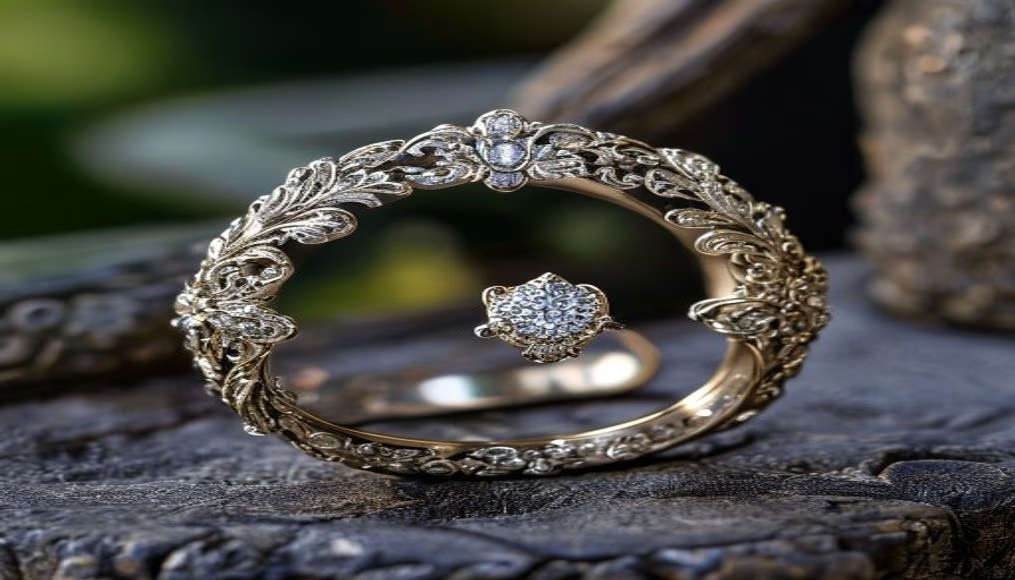
The Edwardian platinum filigree ring is a high jewelry piece that evokes the elegance of the Belle Époque, combining intricate design and noble materials.
About this subject
The Edwardian period, spanning the reign of King Edward VII of the United Kingdom (1901 to 1910), marked a revolution in jewelry. Platinum became the preferred metal for its strength and luster, enabling extremely delicate filigree work. Filigree, a technique that intertwines fine metal threads into lace-like patterns, peaked during this era, creating lightweight, airy pieces that contrasted with the heaviness of Victorian jewelry.
These rings often feature floral motifs, bows, and scrolls, frequently adorned with rose-cut or old mine cut diamonds. Platinum, being more malleable than gold, allowed for complex arabesques and invisible settings that seemed to suspend stones in the air. Light reflected off the metal's satin finish, enhancing the diamonds' brilliance.
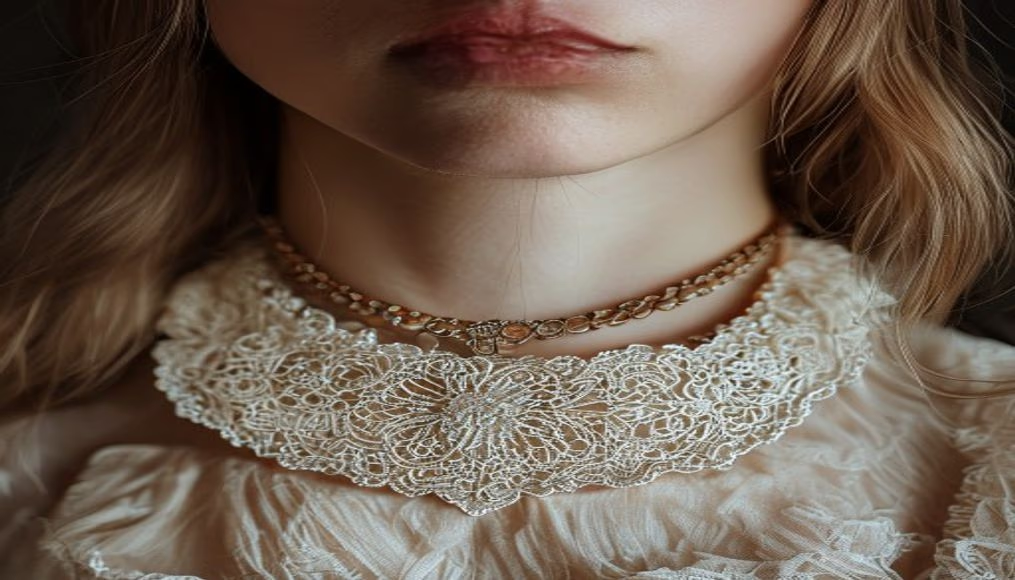
Culturally, Edwardian jewelry reflected the optimism and sophistication of the Belle Époque. Women wore filigree rings as symbols of status and refinement, often paired with choker necklaces and dangling earrings. The style was influenced by Art Nouveau and the Arts and Crafts movement, which prized handcrafted skill.
Today, these pieces are highly collectible. An authentic Edwardian ring can be identified by hallmarks such as platinum fineness (950) and typical diamond cuts of the era. Special care is needed to avoid damaging the delicate filigree wires.
Frequently Asked Questions
What characterizes Edwardian filigree?
Edwardian filigree is made from platinum or white gold wires, intertwined into lace-like, floral, or geometric patterns. It is extremely delicate and lightweight, often combined with diamonds.
How to identify an authentic Edwardian platinum ring?
Look for hallmarks such as 'PLAT' or '950', and the typical Edwardian design with filigree and old-cut diamonds. Platinum has a whitish-gray hue and does not yellow over time.
Why was platinum so widely used in the Edwardian period?
Platinum was stronger and more malleable than gold, allowing for fine filigree and delicate settings. Its cool brilliance enhanced diamonds, and new mines in Russia and South America made the metal more available.
Direct URL
https://pub-c7d6a6ea828543ac903a74a341ccb2e1.r2.dev/imagens/edwardian-platinum-ring-filigree-tuscan-villa-terrace-backdrop-luxo2.avifHow to credit
Include a visible link back to UtilizAí. Copy one of the snippets below:
<a href="https://xn--utiliza-eza.com/en/midia/imagens/edwardian-platinum-ring-filigree-tuscan-villa-terrace-backdrop-luxo2">Edwardian platinum ring filigree</a> by <a href="https://xn--utiliza-eza.com">UtilizAí</a>, licensed under <a href="https://creativecommons.org/licenses/by/4.0/">CC BY 4.0</a>.
[Edwardian platinum ring filigree](https://xn--utiliza-eza.com/en/midia/imagens/edwardian-platinum-ring-filigree-tuscan-villa-terrace-backdrop-luxo2) by [UtilizAí](https://xn--utiliza-eza.com), CC BY 4.0
License: CC-BY-4.0