Edwardian platinum ring filigree
1344×768 · AVIF · CC BY 4.0
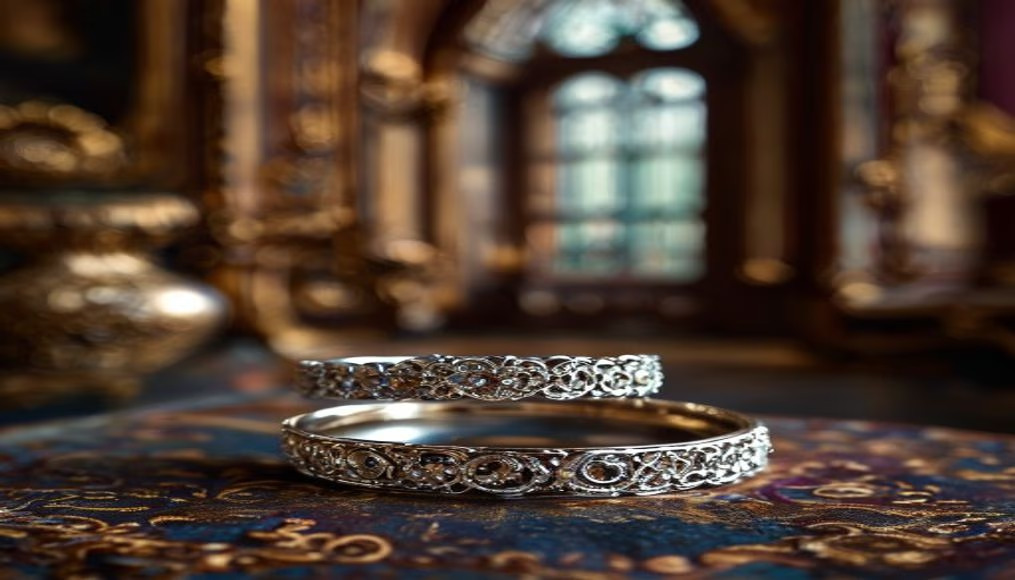
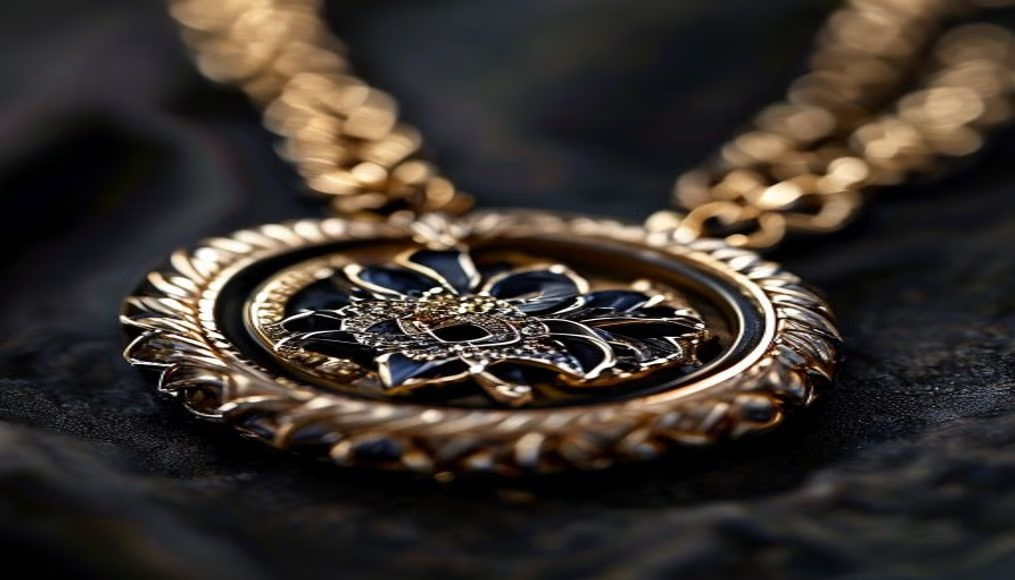
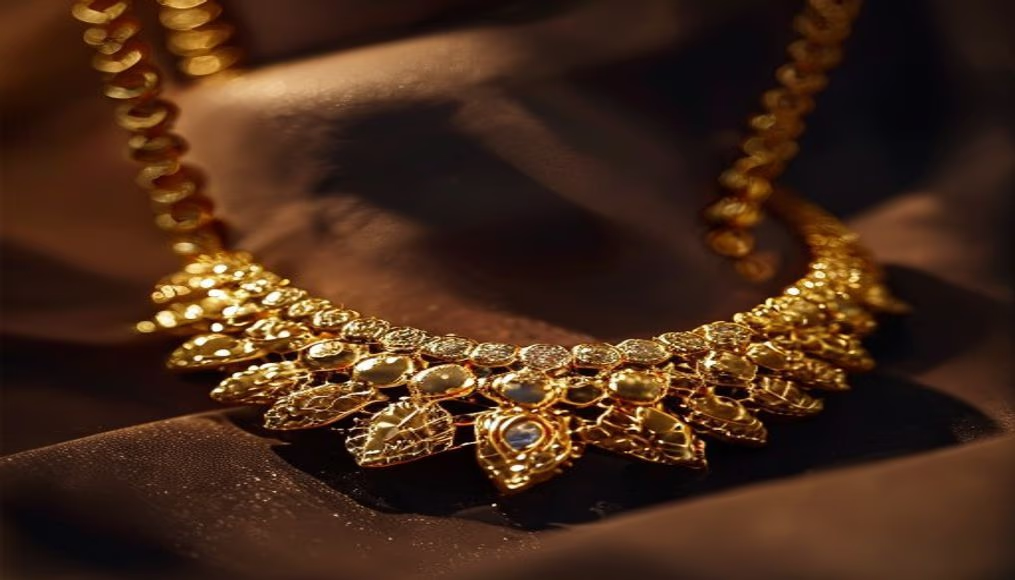
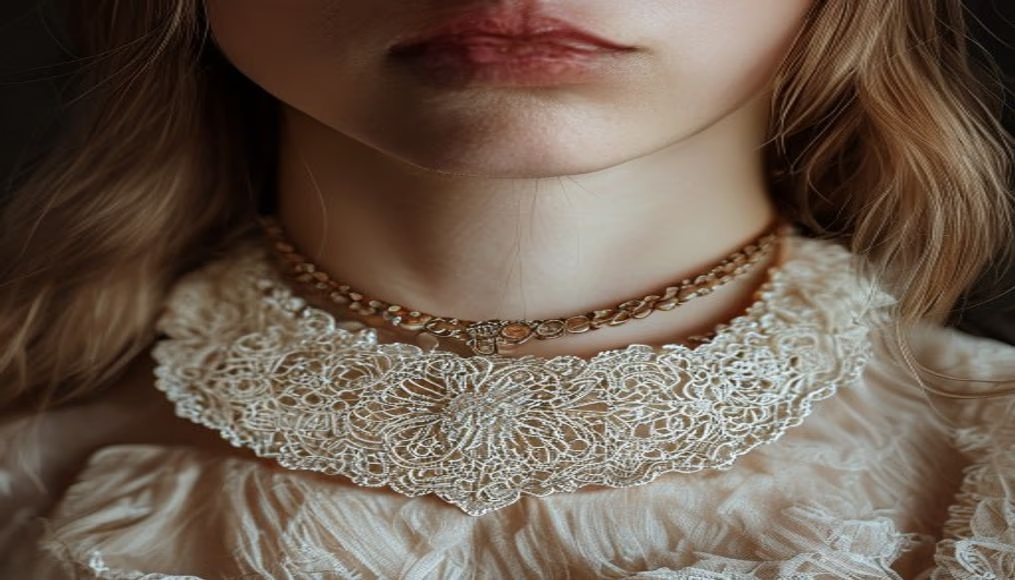
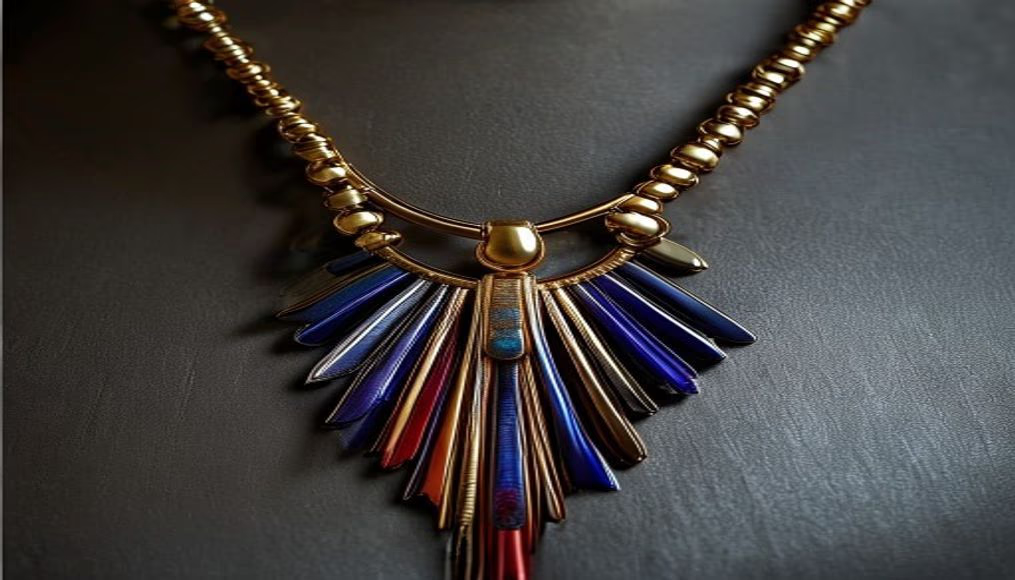
Edwardian platinum filigree ring, a symbol of Belle Époque luxury and craftsmanship, photographed in a French château.
About this subject
The Edwardian platinum filigree ring represents the pinnacle of jewelry craftsmanship during the reign of King Edward VII (1901-1910). The Edwardian era, also known as the Belle Époque, was defined by light, elegant designs that abandoned Victorian excess in favor of airy, delicate compositions. Platinum, a strong yet malleable metal, enabled the creation of intricate filigree that mimicked lace and precious fabrics. These rings often featured floral motifs, bows, and scrollwork, accented by rose-cut or old mine diamonds and natural pearls.
The filigree technique in platinum required exceptional skill, as the metal had to be drawn into ultra-fine wires and soldered with millimeter precision. Unlike gold, platinum does not tarnish and retains its luster, making it the preferred choice for high-end Parisian jewelers. Many of these rings were produced by houses such as Cartier, Van Cleef & Arpels, and Tiffany & Co., competing to serve European and American aristocracy.
The French château backdrop evokes the original context of these jewels: they adorned the hands of high-society ladies at balls, operas, and receptions in palaces along the Riviera and in Paris. The natural light hitting the platinum and diamonds created subtle reflections, enhancing the transparency and volume of the filigree. Today, authentic Edwardian rings are collector's items, prized for their rarity and testimony to a golden age of jewelry.
Interestingly, Edwardian style directly influenced Art Deco, which emerged after World War I. While Edwardian rings favor curves and fluidity, Deco adopted geometric shapes and color contrasts. To identify an authentic Edwardian ring, examine the fineness of the platinum wires, the absence of screws (pieces were hand-assembled), and hallmarks such as "PLAT" or "900".
Frequently Asked Questions
What characterizes Edwardian jewelry?
Edwardian jewelry is defined by extensive use of platinum, delicate filigree, floral and scroll motifs, and the combination of diamonds with pearls. The style is light, airy, and elegant, contrasting with Victorian excess.
Why was platinum the preferred metal in the Edwardian era?
Platinum is a rare, strong, and malleable metal that does not tarnish or lose its luster. Its strength allowed for extremely fine filigree, and its white color enhanced diamonds, giving an appearance of lightness and sophistication.
How to identify an authentic Edwardian ring?
Check the fineness of the platinum wires, the absence of screws (hand assembly), hallmarks like 'PLAT' or '900', and the fluid style with curves and natural motifs. Genuine Edwardian rings often feature antique cuts such as rose or old mine.
Direct URL
https://pub-c7d6a6ea828543ac903a74a341ccb2e1.r2.dev/imagens/edwardian-platinum-ring-filigree-french-chateau-interior-backdrop-luxo0.avifHow to credit
Include a visible link back to UtilizAí. Copy one of the snippets below:
<a href="https://xn--utiliza-eza.com/en/midia/imagens/edwardian-platinum-ring-filigree-french-chateau-interior-backdrop-luxo0">Edwardian platinum ring filigree</a> by <a href="https://xn--utiliza-eza.com">UtilizAí</a>, licensed under <a href="https://creativecommons.org/licenses/by/4.0/">CC BY 4.0</a>.
[Edwardian platinum ring filigree](https://xn--utiliza-eza.com/en/midia/imagens/edwardian-platinum-ring-filigree-french-chateau-interior-backdrop-luxo0) by [UtilizAí](https://xn--utiliza-eza.com), CC BY 4.0
License: CC-BY-4.0