Drum kit empty studio
1344×768 · AVIF · CC BY 4.0
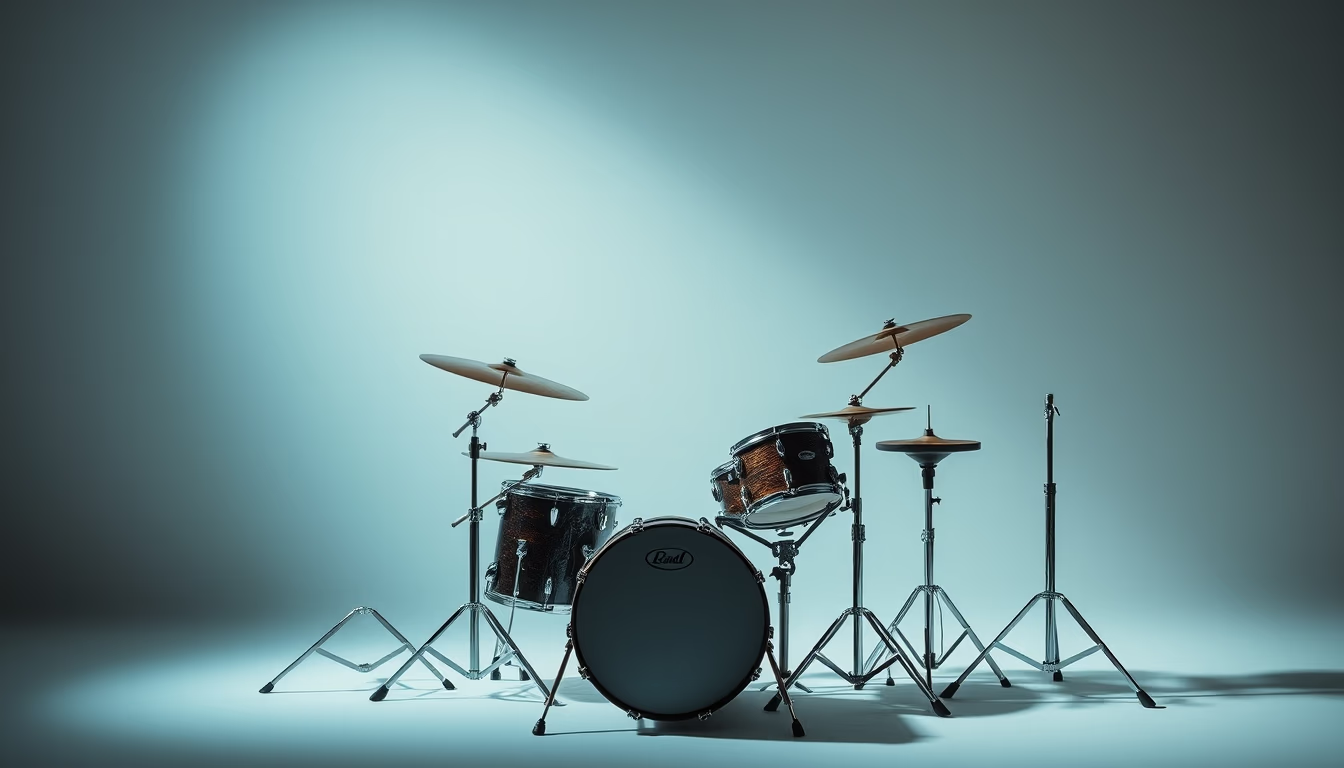
A full drum kit in an empty recording studio, an essential instrument for rock, jazz and Brazilian music, with cymbals and drums positioned for professional audio capture.
About this subject
The drum kit, also known as a drum set, is a collection of drums, cymbals and other percussion instruments mounted on stands. It serves as the rhythmic backbone of genres like rock, jazz, pop, samba and MPB. A standard kit includes a kick drum, snare drum, tom-toms (rack and floor), hi-hat, crash and ride cymbals. Brazilian musicians often add pandeiro or ganzá to their setup.
In an empty recording studio, as depicted, the drum kit is the focus of audio capture. The room's acoustics are treated with absorbent panels and diffusers to avoid unwanted reverb and achieve a clean sound. Microphones are strategically placed: one inside the kick drum, one on the snare, condenser mics over the cymbals, and ambient mics to capture natural resonance. This careful setup is crucial for a good mix.
The modern drum kit originated in the early 20th century with the invention of the kick drum pedal and standardization of cymbals. In Brazil, the drum kit gained prominence from the 1950s onward, with Bossa Nova requiring a softer touch and national rock emerging in the 1960s. Notable Brazilian drummers include Airto Moreira, Robertinho Silva and César Ciascai. Today, drum shells are made from woods like maple, birch and mahogany, each offering different tonal characteristics.
A technical curiosity: the number of pieces in a kit is often described as '5-piece' (kick, snare, two rack toms, floor tom) plus cymbals. However, expanded configurations with double kick drums or multiple toms are common in metal and progressive rock. Regardless of style, drums are among the most challenging instruments to record, requiring both technical skill and musical sensitivity from the sound engineer.
Frequently Asked Questions
What are the basic components of a drum kit?
The basic components include a kick drum, snare drum, tom-toms (two or more), floor tom, hi-hat, ride cymbal and crash cymbal. The setup may vary according to musical style.
Why is studio acoustics important for recording drums?
Treated rooms avoid reflections that distort sound. Absorbent panels control mid and high frequencies, while diffusers spread ambient sound, resulting in a cleaner, more natural recording.
What are the main types of wood used in drum shell construction?
Maple produces balanced, full-bodied sound; birch offers pronounced attack and controlled sustain; mahogany gives warm, low-end tone, ideal for jazz and classic rock.
Direct URL
https://pub-c7d6a6ea828543ac903a74a341ccb2e1.r2.dev/imagens/drum-kit-empty-studio-magazine-editorial-p1.avifHow to credit
Include a visible link back to UtilizAí. Copy one of the snippets below:
<a href="https://xn--utiliza-eza.com/en/midia/imagens/drum-kit-empty-studio-magazine-editorial-p1">Drum kit empty studio</a> by <a href="https://xn--utiliza-eza.com">UtilizAí</a>, licensed under <a href="https://creativecommons.org/licenses/by/4.0/">CC BY 4.0</a>.
[Drum kit empty studio](https://xn--utiliza-eza.com/en/midia/imagens/drum-kit-empty-studio-magazine-editorial-p1) by [UtilizAí](https://xn--utiliza-eza.com), CC BY 4.0
License: CC-BY-4.0