Douro valley terraces
1344×768 · AVIF · CC BY 4.0
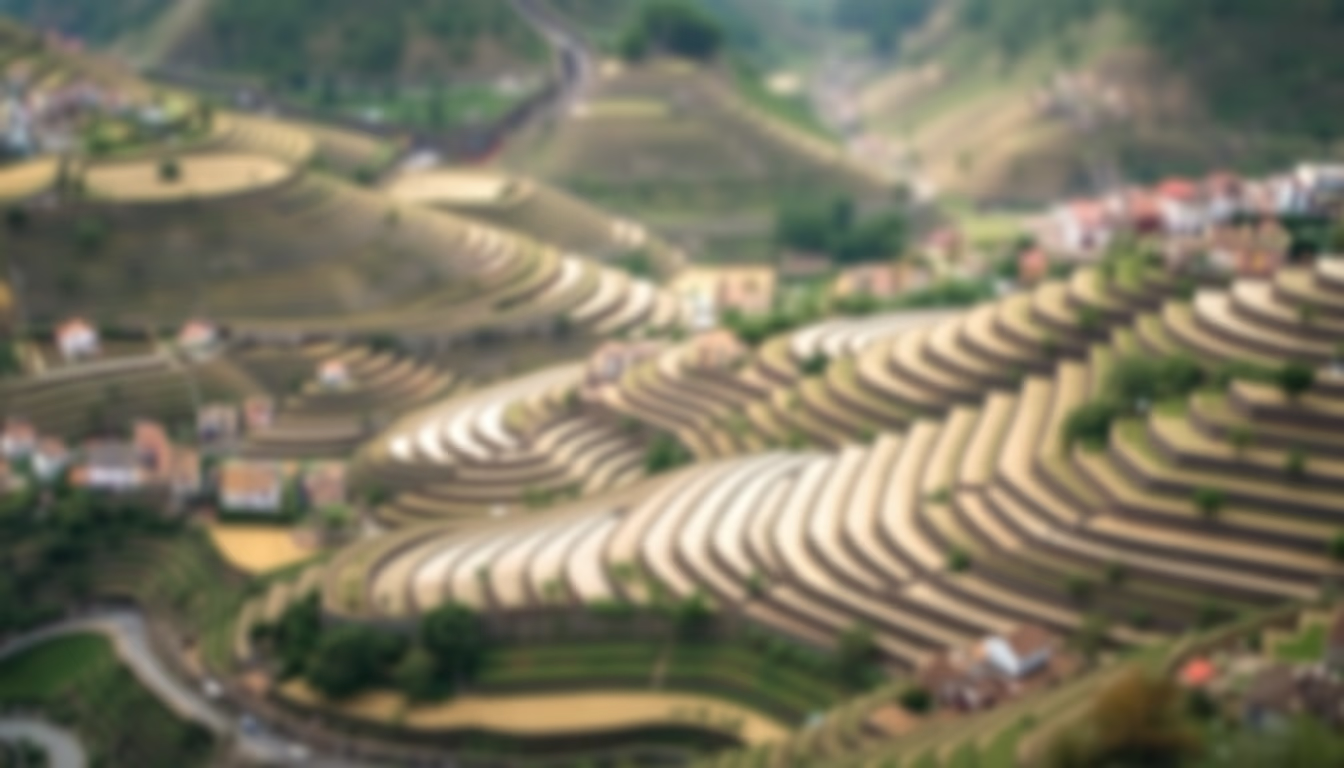
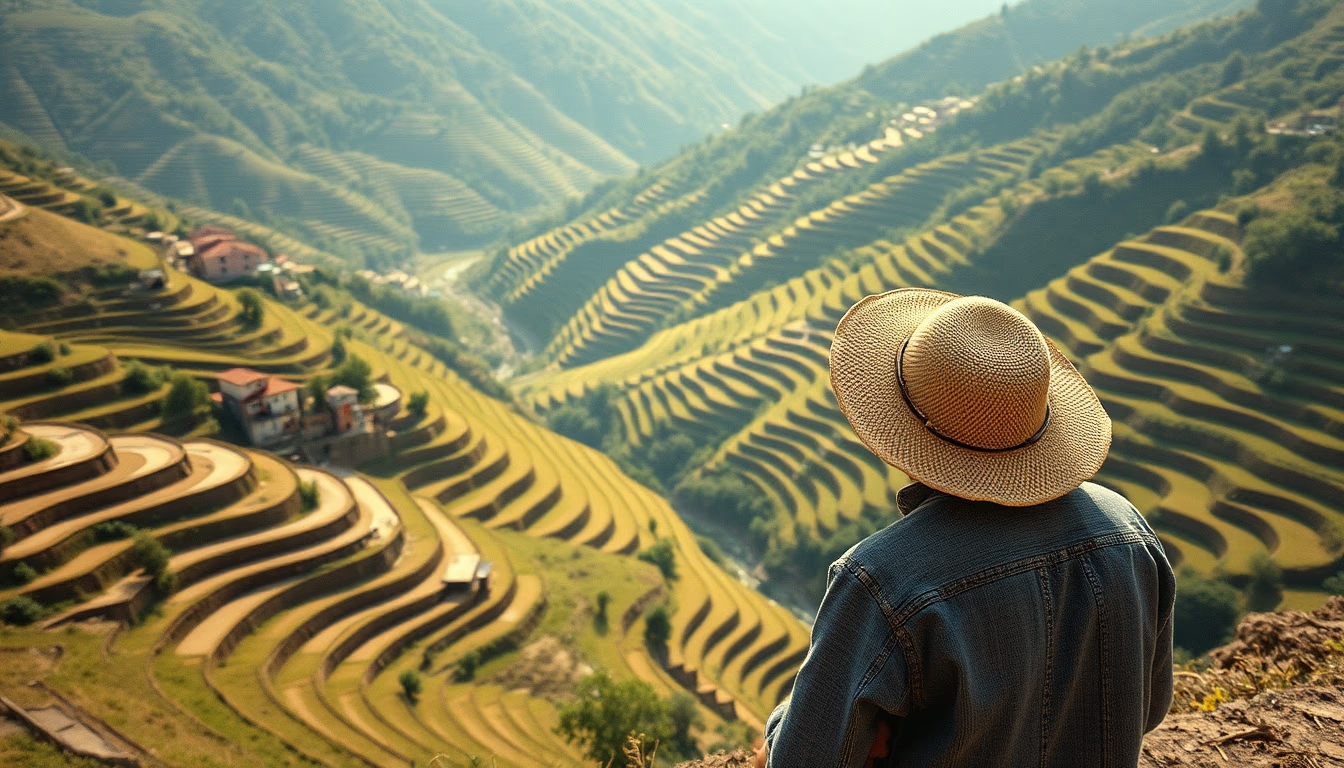
The Douro Valley terraces in Portugal are an iconic landscape of vineyard cultivation on steep slopes, recognized as a UNESCO World Heritage site.
About this subject
The Douro Valley terraces are among the most impressive wine landscapes in the world, carved over centuries along the banks of the Douro River in northern Portugal. This region is renowned for producing the famous Port wine, a fortified wine appreciated globally. The socalcos, as the terraces are called locally, were built to allow vine cultivation on slopes reaching inclinations of up to 60 degrees, an ingenious adaptation to the rugged geography. The area was demarcated as the world's first regulated wine region in 1756 under the Marquis of Pombal, and it was granted UNESCO World Heritage status in 2001.
The grape varieties grown on the terraces include Touriga Nacional, Touriga Franca, Tinta Roriz, and others, resulting in full-bodied and complex wines. The Mediterranean climate with continental influences, combined with shale and granite soils, gives unique characteristics to the wines. Constructing and maintaining the terraces requires intensive labor, with dry stone walls preventing erosion and retaining moisture. Many vineyards are still tended manually, preserving traditional methods.
The landscape of the Douro terraces features spectacular seasonal changes: in spring, the vibrant green of the vines covers the hills; in autumn, the leaves turn shades of red and gold before harvest. The Douro River winds through the valley, offering breathtaking views that attract wine enthusiasts and tourists from around the world. The quintas (wine estates) in the region produce not only Port wine but also high-quality still wines known as Douro wines.
Interestingly, the tradition of terraces dates back to Roman times, but it significantly expanded during the modern era. Currently, the region faces challenges such as limited mechanization and rural exodus, but UNESCO recognition has helped promote sustainable tourism and the valorization of cultural heritage. The Douro terraces are a testament to the harmony between humans and nature, yielding one of the world's most iconic wines.
Frequently Asked Questions
Why are the Douro terraces considered a World Heritage site?
The Douro terraces were designated a UNESCO World Heritage site in 2001 for being an outstanding cultural landscape, resulting from human adaptation to a harsh environment for viticulture, with traditional terrace construction techniques dating back centuries.
What is the main difference between Port wine and Douro wines?
Port wine is a fortified wine, with grape spirit added during fermentation, resulting in higher alcohol content and sweetness. Douro wines are still wines, dry or slightly sweet, produced in the same region without fortification.
How are the terraces maintained on such steep slopes?
The terraces are built with dry stone walls following contour lines, preventing erosion and allowing water drainage. Maintenance is done manually, with pruning, harvesting, and replanting carried out by skilled workers.
Direct URL
https://pub-c7d6a6ea828543ac903a74a341ccb2e1.r2.dev/imagens/douro-valley-terraces-tilt-shift-miniature-fresh2.avifHow to credit
Include a visible link back to UtilizAí. Copy one of the snippets below:
<a href="https://xn--utiliza-eza.com/en/midia/imagens/douro-valley-terraces-tilt-shift-miniature-fresh2">Douro valley terraces</a> by <a href="https://xn--utiliza-eza.com">UtilizAí</a>, licensed under <a href="https://creativecommons.org/licenses/by/4.0/">CC BY 4.0</a>.
[Douro valley terraces](https://xn--utiliza-eza.com/en/midia/imagens/douro-valley-terraces-tilt-shift-miniature-fresh2) by [UtilizAí](https://xn--utiliza-eza.com), CC BY 4.0
License: CC-BY-4.0