Douro valley terraces
1344×768 · AVIF · CC BY 4.0
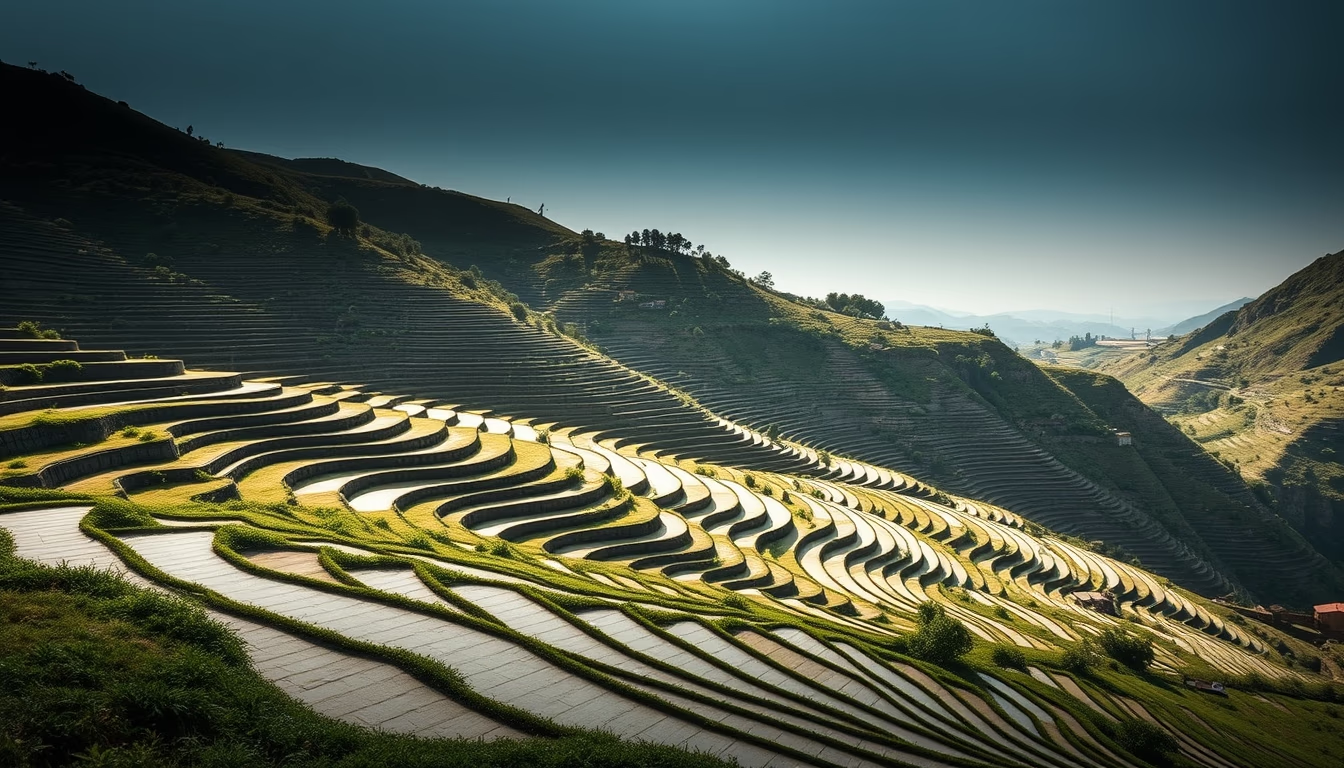
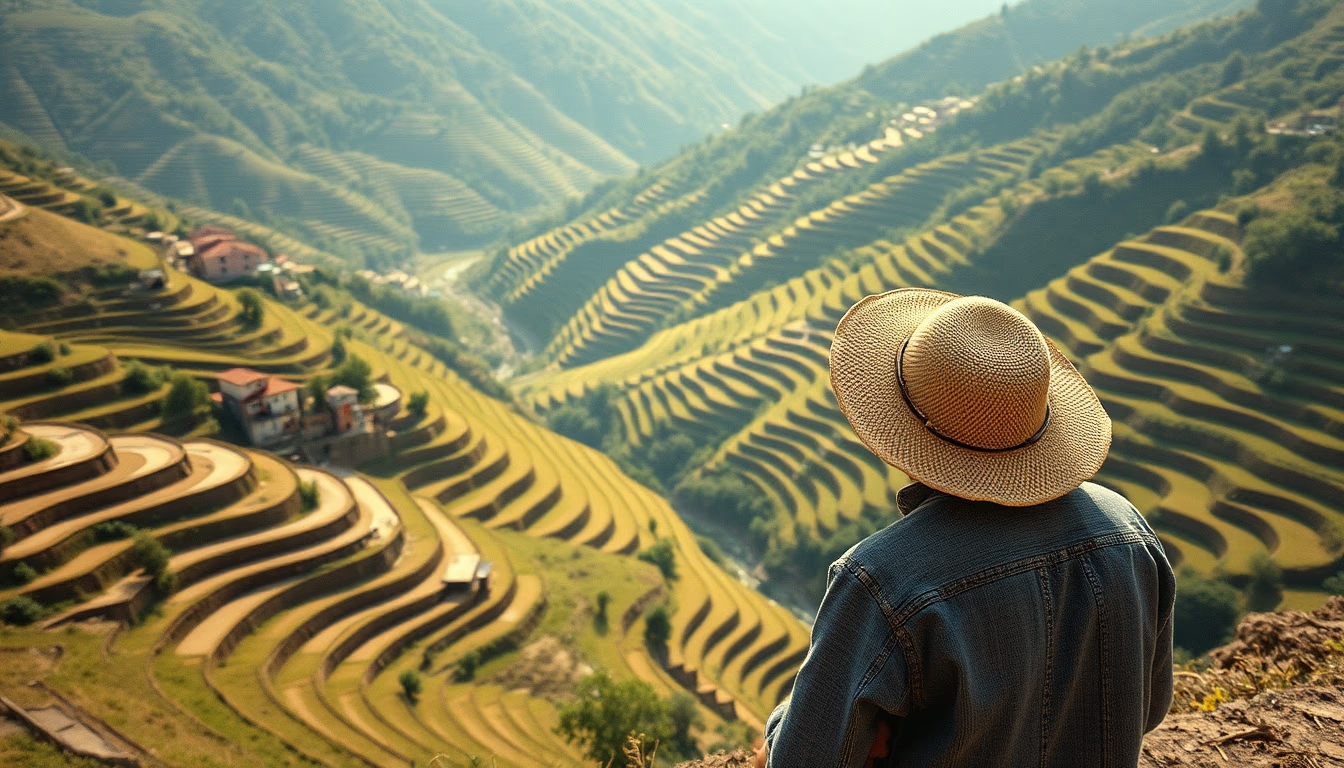
The Douro Valley terraces are centuries-old stepped vineyards carved into hillsides, a UNESCO World Heritage landscape renowned for Port wine production.
About this subject
The Douro Valley in Portugal is one of the oldest wine regions in the world, with terraced vineyards dating back to at least the 18th century. These terraces were built to exploit the schist soil and Mediterranean climate, allowing grape cultivation on steep slopes. The construction technique, known as “socalcos,” involves dry stone walls that hold the soil and create ideal microclimates for varieties such as Touriga Nacional, Tinta Roriz, and Touriga Franca.
Designated a UNESCO World Heritage Site in 2001, the Alto Douro cultural landscape blends nature and human labor. The terraces not only stabilize the terrain against erosion but also maximize sun exposure and water drainage. Historically, the region was demarcated in 1756 as the world's first regulated wine area, exclusively for Port wine production.
The climate features hot, dry summers and cold winters, with concentrated rainfall. The Douro River and its tributaries carve deep valleys, and slopes can reach inclinations of up to 60 degrees. Many vineyards are cultivated on narrow ledges, where manual work remains essential. Elevation ranges from 100 to 800 meters, offering diverse exposures that influence grape ripening.
Today, the region also produces high-quality still wines. The terraces exemplify sustainability and adaptation to terrain, symbolizing Portuguese wine heritage. Each harvest, handpicking and the tradition of treading grapes in granite lagares keep centuries-old practices alive, while modern enology techniques update the process.
Frequently Asked Questions
Why is the Douro Valley famous for its terraces?
The terraces were built to allow grape cultivation on extremely steep slopes, preventing erosion and maximizing sunlight and schist soil, which are crucial for the quality of Port wine grapes.
Are the Douro terraces a UNESCO World Heritage site?
Yes, in 2001 UNESCO designated the Alto Douro Wine Region as a World Heritage site, recognizing the centuries-old harmony between human labor and nature.
Which grape varieties are grown on the Douro terraces?
The main varieties are Touriga Nacional, Tinta Roriz, Touriga Franca, Tinta Barroca, and Tinto Cão, used for both Port wine and still red wines.
Direct URL
https://pub-c7d6a6ea828543ac903a74a341ccb2e1.r2.dev/imagens/douro-valley-terraces-minimalist-composition-fresh9.avifHow to credit
Include a visible link back to UtilizAí. Copy one of the snippets below:
<a href="https://xn--utiliza-eza.com/en/midia/imagens/douro-valley-terraces-minimalist-composition-fresh9">Douro valley terraces</a> by <a href="https://xn--utiliza-eza.com">UtilizAí</a>, licensed under <a href="https://creativecommons.org/licenses/by/4.0/">CC BY 4.0</a>.
[Douro valley terraces](https://xn--utiliza-eza.com/en/midia/imagens/douro-valley-terraces-minimalist-composition-fresh9) by [UtilizAí](https://xn--utiliza-eza.com), CC BY 4.0
License: CC-BY-4.0