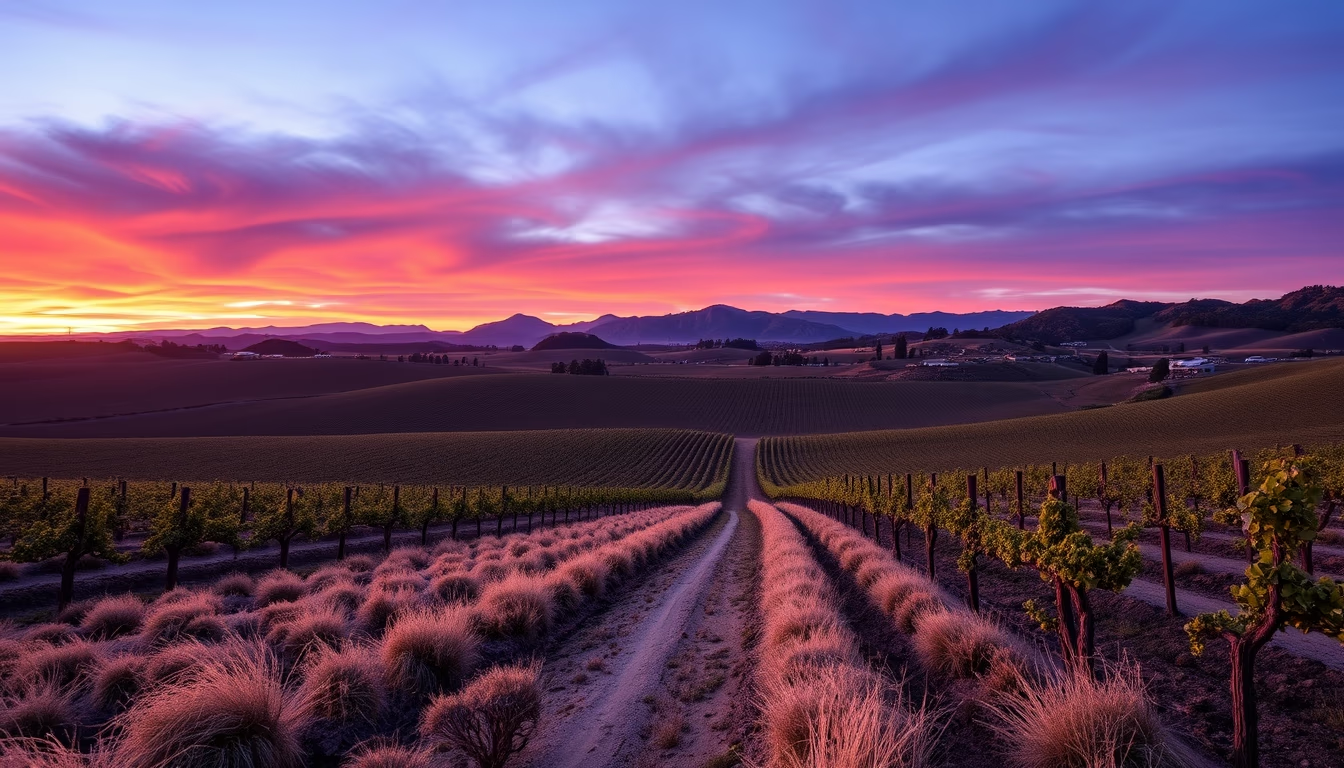
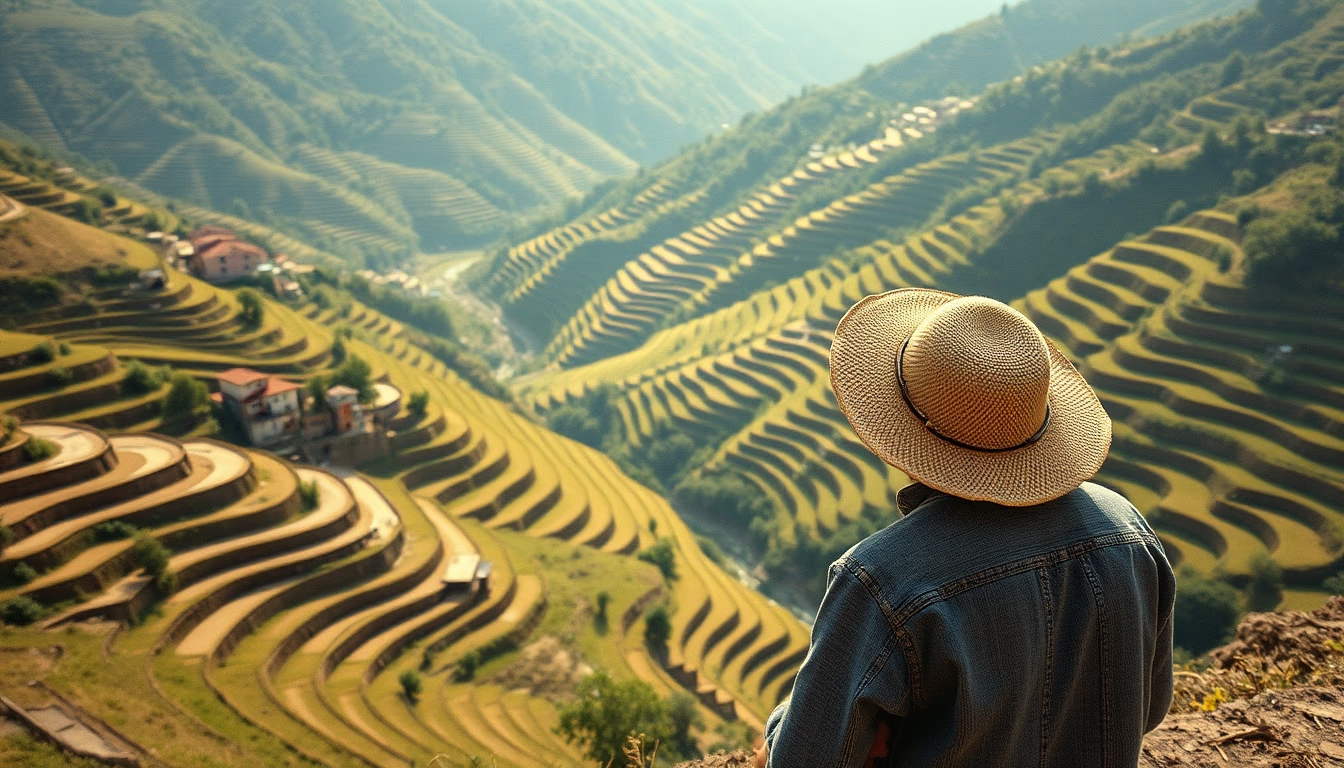
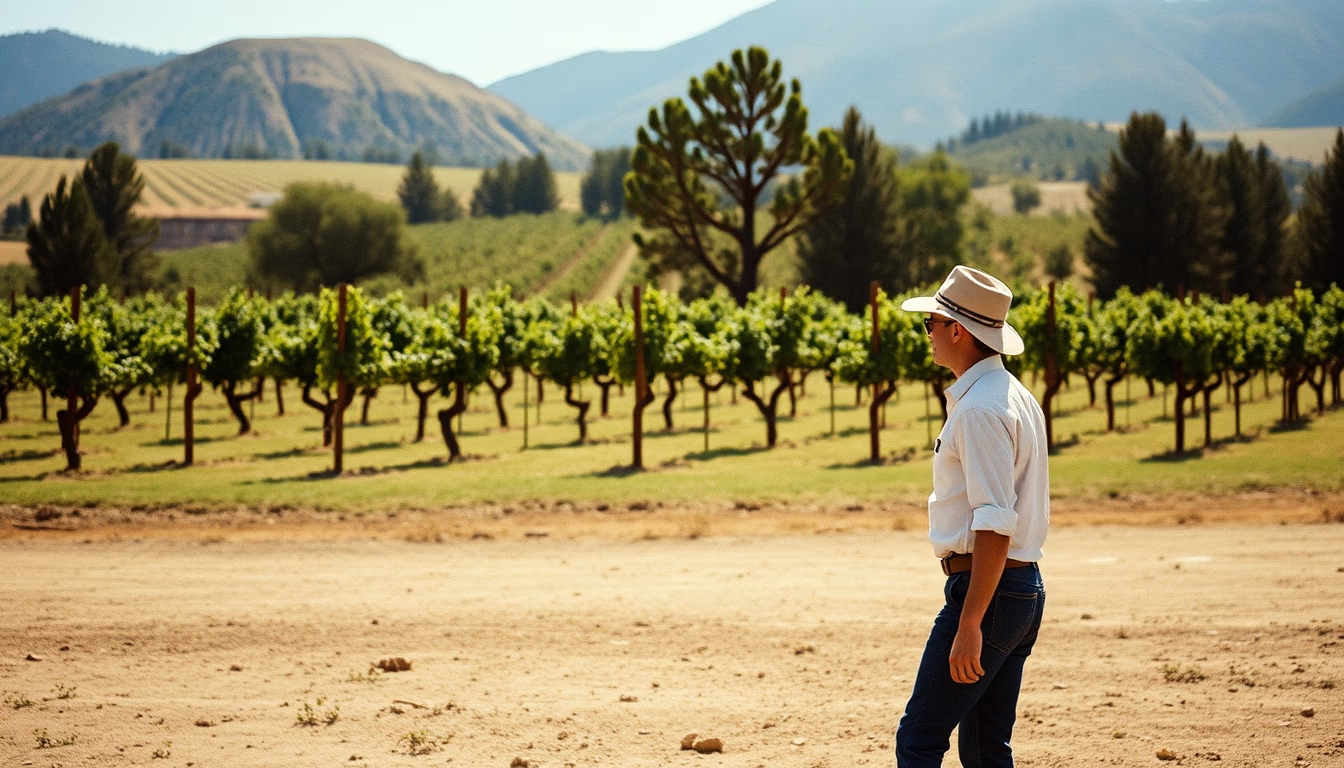
Douro valley terraces
1344×768 · AVIF · CC BY 4.0
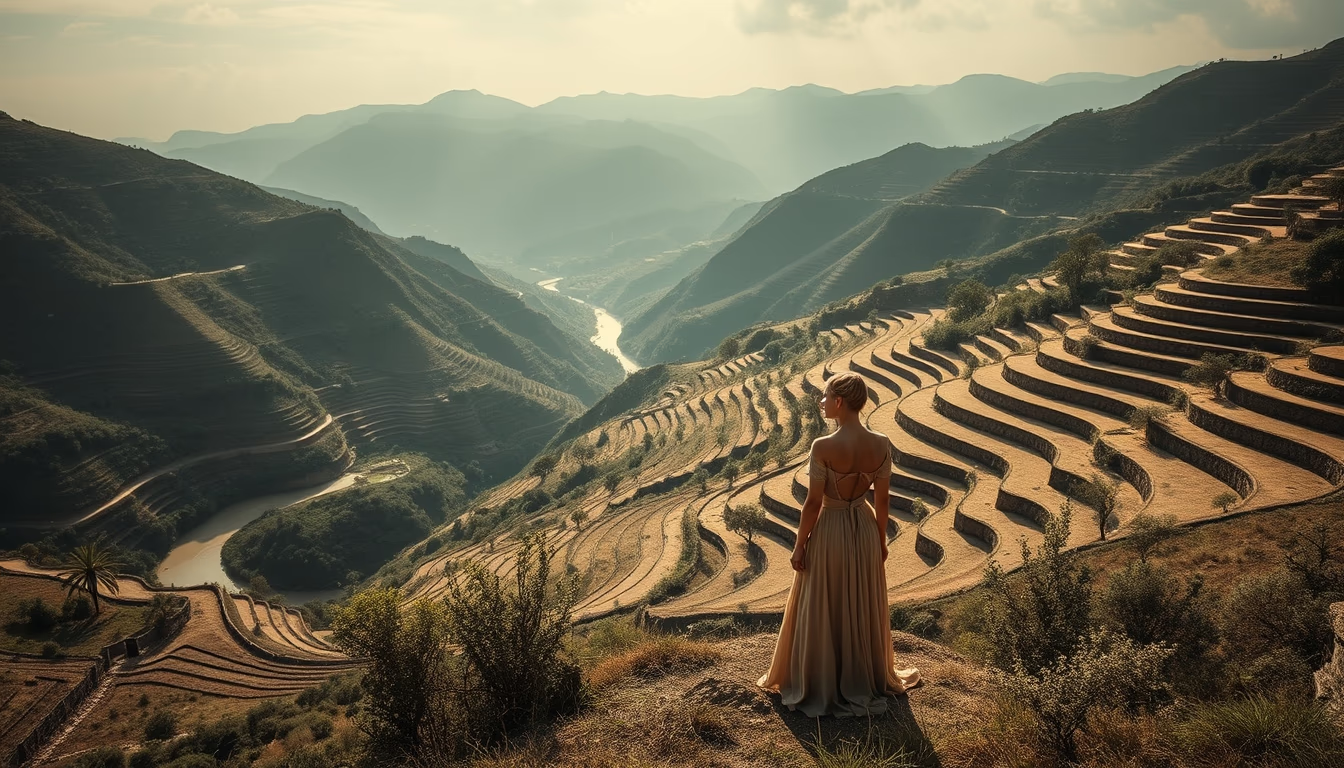
The Douro Valley terraces in Portugal form a centuries-old wine landscape recognized by UNESCO.
About this subject
The Douro Valley, located in northern Portugal, is one of the oldest and most iconic wine regions in the world. Covering about 250,000 hectares of vines, the area is famous for its terraces (socalcos) carved into the steep slopes of the Douro River. These terraces, built manually over centuries, not only allow vine cultivation on rugged terrain but also create a cultural landscape of unique beauty, recognized as a UNESCO World Heritage site since 2001.
The wine-growing history of the Douro dates back to the 18th century, when the region was officially demarcated in 1756 under the guidance of the Marquis of Pombal, making it the world's first controlled designation of origin. Initially focused on producing Port wine, famous for its fortified flavor, the region today also produces high-quality still wines, such as Douro DOC. The schist (xisto) soil and unique microclimate, with hot, dry summers and harsh winters, give the grapes special characteristics.
The terraces are a testament to human ingenuity: built in different styles over time, such as dry stone wall terraces and more modern bench terraces. Many of these walls were erected without mortar, fitting locally quarried schist stones. Maintaining these terraces is hard work but essential to preserve the winemaking tradition and prevent soil erosion.
Beyond their productive value, the Douro terraces attract tourists from around the world, who travel through the region by boat, car, or train (Linha do Douro) to admire the terraced landscapes. Manual grape harvesting, still common, reinforces the connection between people and the land. The region is also known for its historic quintas (wine estates), some open for visits and wine tastings, providing a complete experience of Portuguese wine culture.
Frequently Asked Questions
Why is the Douro Valley famous for its terraces?
The terraces allow grape cultivation on steep slopes, optimizing space and preventing erosion. They are an iconic feature of the Douro wine landscape, recognized by UNESCO.
What is the best time to visit the Douro Valley?
Spring (March to May) and autumn (September to October) offer mild weather and stunning scenery. In autumn, grape harvest occurs, with festivals and related activities.
What makes the schist soil in the Douro special?
Schist (xisto) soil retains heat during the day and releases it at night, aiding grape ripening. Its fragmented structure ensures good drainage and deep root development.
Direct URL
https://pub-c7d6a6ea828543ac903a74a341ccb2e1.r2.dev/imagens/douro-valley-terraces-high-fashion-editorial-fresh14.avifHow to credit
Include a visible link back to UtilizAí. Copy one of the snippets below:
<a href="https://xn--utiliza-eza.com/en/midia/imagens/douro-valley-terraces-high-fashion-editorial-fresh14">Douro valley terraces</a> by <a href="https://xn--utiliza-eza.com">UtilizAí</a>, licensed under <a href="https://creativecommons.org/licenses/by/4.0/">CC BY 4.0</a>.
[Douro valley terraces](https://xn--utiliza-eza.com/en/midia/imagens/douro-valley-terraces-high-fashion-editorial-fresh14) by [UtilizAí](https://xn--utiliza-eza.com), CC BY 4.0
License: CC-BY-4.0