Douro valley terraces
1344×768 · AVIF · CC BY 4.0
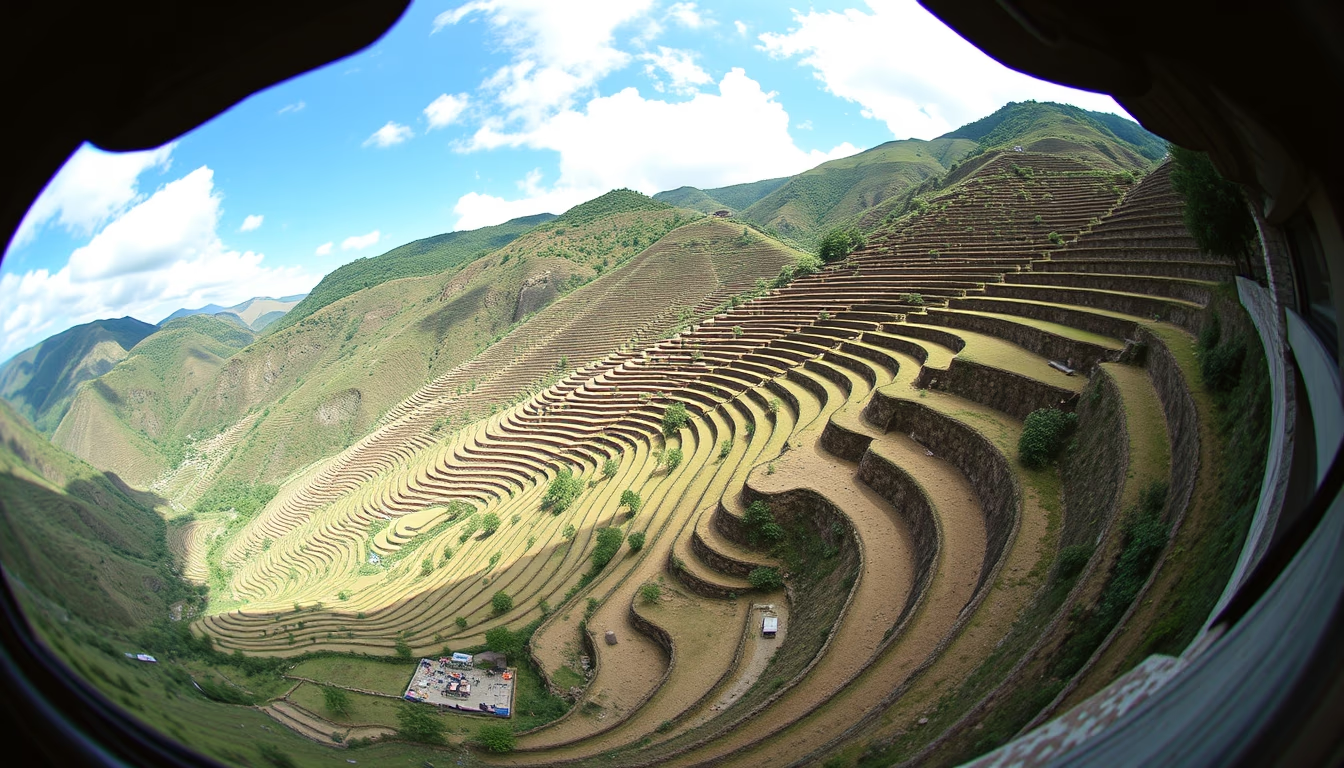
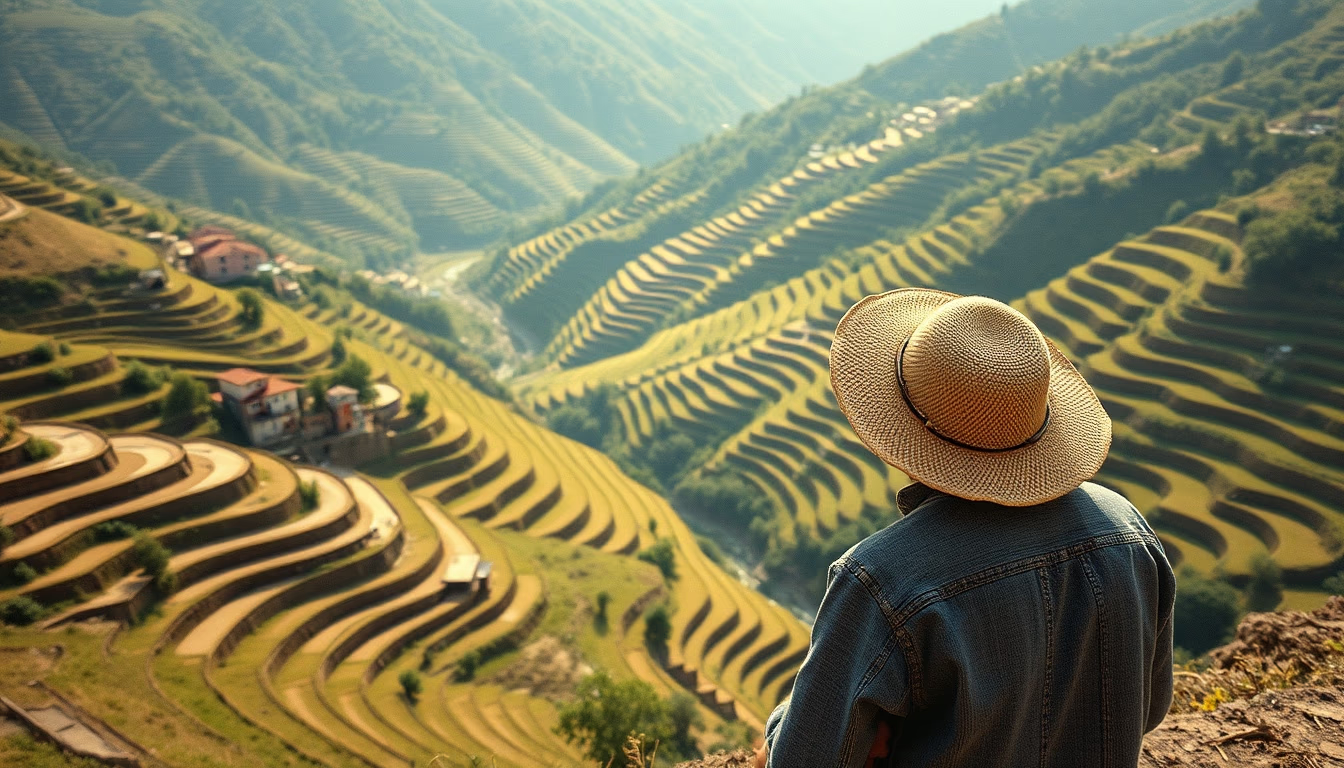
The Douro Valley terraces in Portugal are a landmark of global viticulture and a UNESCO World Heritage site, with vineyard terraces dating back centuries.
About this subject
Located in northern Portugal, the Douro Valley is one of the oldest wine regions in the world, with vineyards planted on terraces that follow the steep slopes of the Douro River. In 2001, the Alto Douro wine region was designated a UNESCO World Heritage Site, recognizing the millennia-old harmony between human activity and nature.
The construction of terraces dates back to Roman times, but the technique was perfected in the 17th and 18th centuries to maximize vine cultivation on schist and granite soils. The dry stone walls supporting the terraces are an example of simple yet effective engineering, providing drainage and heat retention. The Douro was the first demarcated and regulated wine region in the world, established in 1756 by the Marquis of Pombal to protect the quality of Port wine.
The valley's microclimate, with hot, dry summers and harsh winters, combined with schistous soil, gives the grapes unique characteristics. The most cultivated varieties include Touriga Nacional, Touriga Franca, and Tinta Roriz. Port wine, a fortified wine aged in barrels, is the most emblematic product, but the region also produces high-quality still wines.
Today, the Douro terraces attract tourists from around the world, who travel along the N222 road, considered one of the most beautiful in the world. The landscape is marked by the river's curves and terraces climbing the mountains, creating a mosaic of vineyards, olive groves, and historic villages such as Pinhão and Lamego. The sustainability of terrace viticulture remains a challenge, with modern cultivation techniques adapted to this unique terrain.
Frequently Asked Questions
Why were the terraces built in the Douro Valley?
The terraces were constructed to cultivate vines on steep slopes of schist soil, maximizing sun exposure and preventing erosion. This ancient technique transformed the landscape into one of the world's most iconic wine regions.
What is the main grape grown in the Douro terraces?
The main varieties are Touriga Nacional, Touriga Franca, and Tinta Roriz. Touriga Nacional is often considered the best for producing Port wine and full-bodied red wines.
Is the Douro Valley a UNESCO World Heritage site? Since when?
Yes, the Alto Douro Wine Region was designated a UNESCO World Heritage site in 2001, recognizing its cultural and landscape value as an outstanding example of winegrowing tradition.
Direct URL
https://pub-c7d6a6ea828543ac903a74a341ccb2e1.r2.dev/imagens/douro-valley-terraces-fish-eye-wide-angle-fresh1.avifHow to credit
Include a visible link back to UtilizAí. Copy one of the snippets below:
<a href="https://xn--utiliza-eza.com/en/midia/imagens/douro-valley-terraces-fish-eye-wide-angle-fresh1">Douro valley terraces</a> by <a href="https://xn--utiliza-eza.com">UtilizAí</a>, licensed under <a href="https://creativecommons.org/licenses/by/4.0/">CC BY 4.0</a>.
[Douro valley terraces](https://xn--utiliza-eza.com/en/midia/imagens/douro-valley-terraces-fish-eye-wide-angle-fresh1) by [UtilizAí](https://xn--utiliza-eza.com), CC BY 4.0
License: CC-BY-4.0