Distillery copper still
1344×768 · AVIF · CC BY 4.0
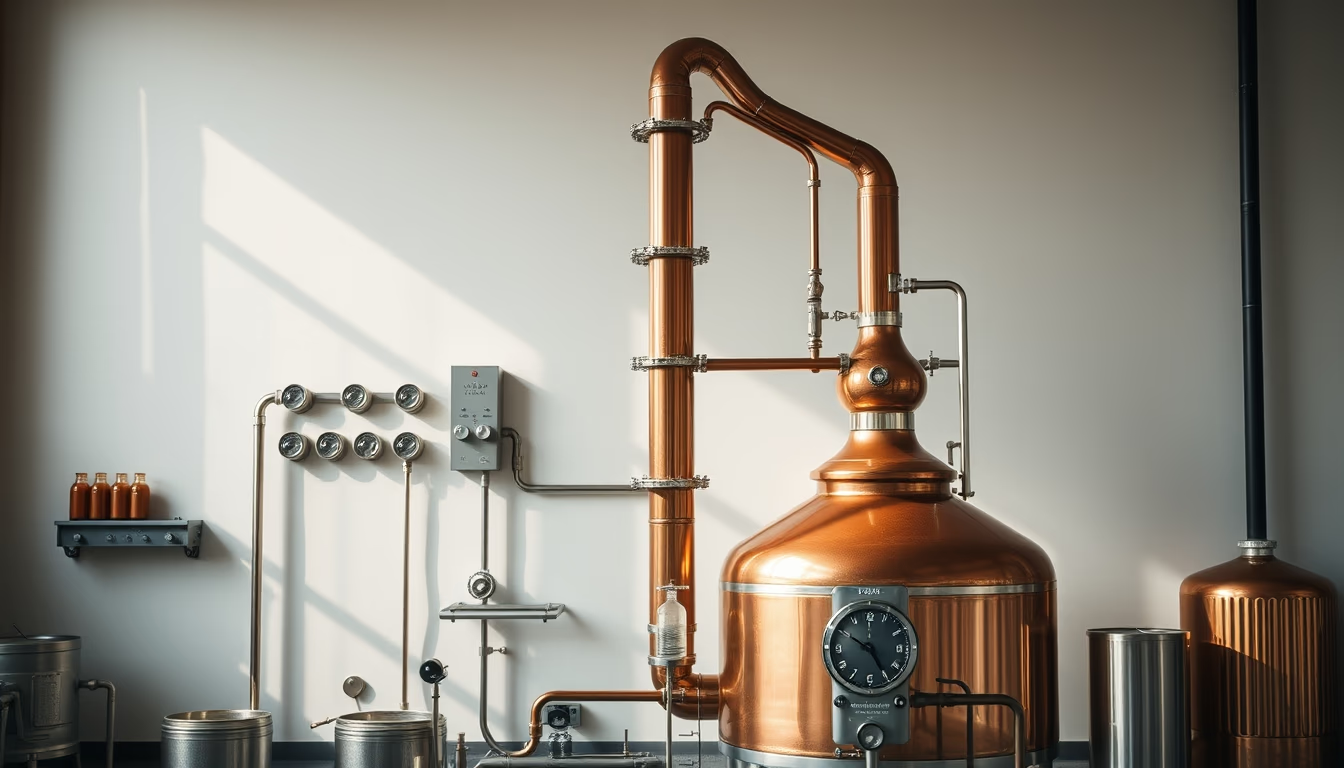
The copper still is the heart of artisanal distillation for whiskies and brandies, essential for aromas and purity.
About this subject
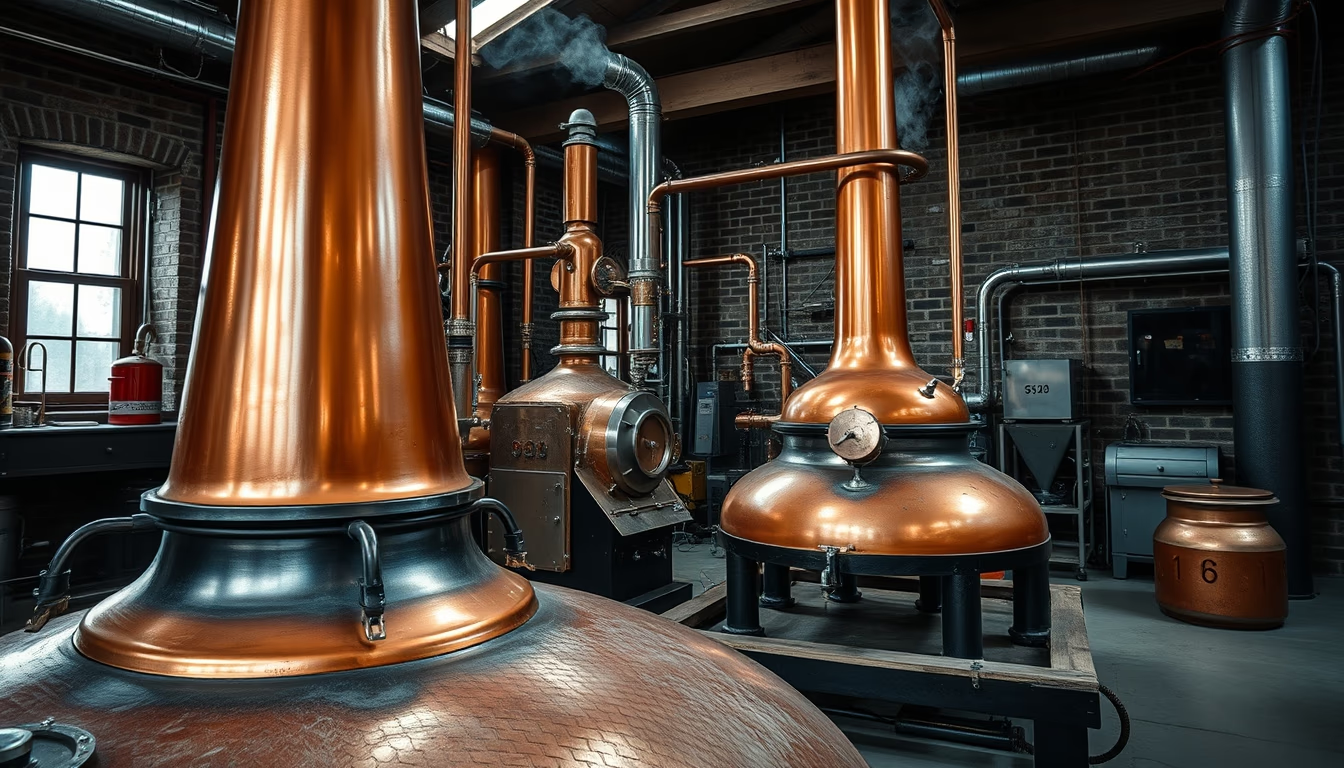
The copper still is a traditional piece of equipment used in distilling alcoholic beverages such as whiskey, rum, brandy, and gin. Its distinctive shape, with a swan neck and condenser, is not merely aesthetic: it influences flavor concentration and impurity removal. Copper acts as a catalyst, removing unwanted sulfur compounds like dimethyl sulfide, which can impart rubbery or cooked vegetable notes. Additionally, the metal conducts heat evenly, allowing precise control over the distillation process.
The origins of copper stills date back to medieval alchemy, but they were perfected in Scotland and Ireland for whiskey production. Distilleries like Macallan and Glenfiddich use specific still shapes, adjusting the height and angle of the neck to create distinct sensory profiles. A small, squat still produces a heavier distillate, while a tall, slender one yields a lighter spirit.
In Brazil, artisanal cachaça often employs copper stills, but there is controversy: some regulations prohibit copper contact due to the risk of toxic compounds. However, when well maintained and cleaned, copper stills are safe and prized by purists. Maintenance is intensive: copper wears down from the acids in the mash, requiring hammering and reshaping after decades of use.
Currently, there is a movement back to traditional methods, with craft distilleries choosing copper stills over stainless steel columns. The minimalist composition of the image reflects this functional aesthetic: no embellishments, only the geometry that transforms fermented liquids into premium spirits. The choice of copper is not merely nostalgic; it is a technical decision that directly affects final quality.
Frequently Asked Questions
Why is copper used in distillation stills?
Copper chemically reacts with unwanted sulfur compounds, removing impurities that would harm aroma and flavor. It also conducts heat evenly, allowing controlled distillation.
What is the difference between small and large copper stills?
Small stills provide more copper-alcohol contact, producing fuller-bodied spirits. Tall, slender stills encourage reflux, resulting in lighter, more aromatic beverages.
Do copper stills require special maintenance?
Yes, copper wears down from mash acids and needs periodic hammering and reshaping. Cleaning is done with non-abrasive agents to preserve the protective layer.
Direct URL
https://pub-c7d6a6ea828543ac903a74a341ccb2e1.r2.dev/imagens/distillery-copper-still-minimalist-composition-p1.avifHow to credit
Include a visible link back to UtilizAí. Copy one of the snippets below:
<a href="https://xn--utiliza-eza.com/en/midia/imagens/distillery-copper-still-minimalist-composition-p1">Distillery copper still</a> by <a href="https://xn--utiliza-eza.com">UtilizAí</a>, licensed under <a href="https://creativecommons.org/licenses/by/4.0/">CC BY 4.0</a>.
[Distillery copper still](https://xn--utiliza-eza.com/en/midia/imagens/distillery-copper-still-minimalist-composition-p1) by [UtilizAí](https://xn--utiliza-eza.com), CC BY 4.0
License: CC-BY-4.0