Distillery copper still
1344×768 · AVIF · CC BY 4.0
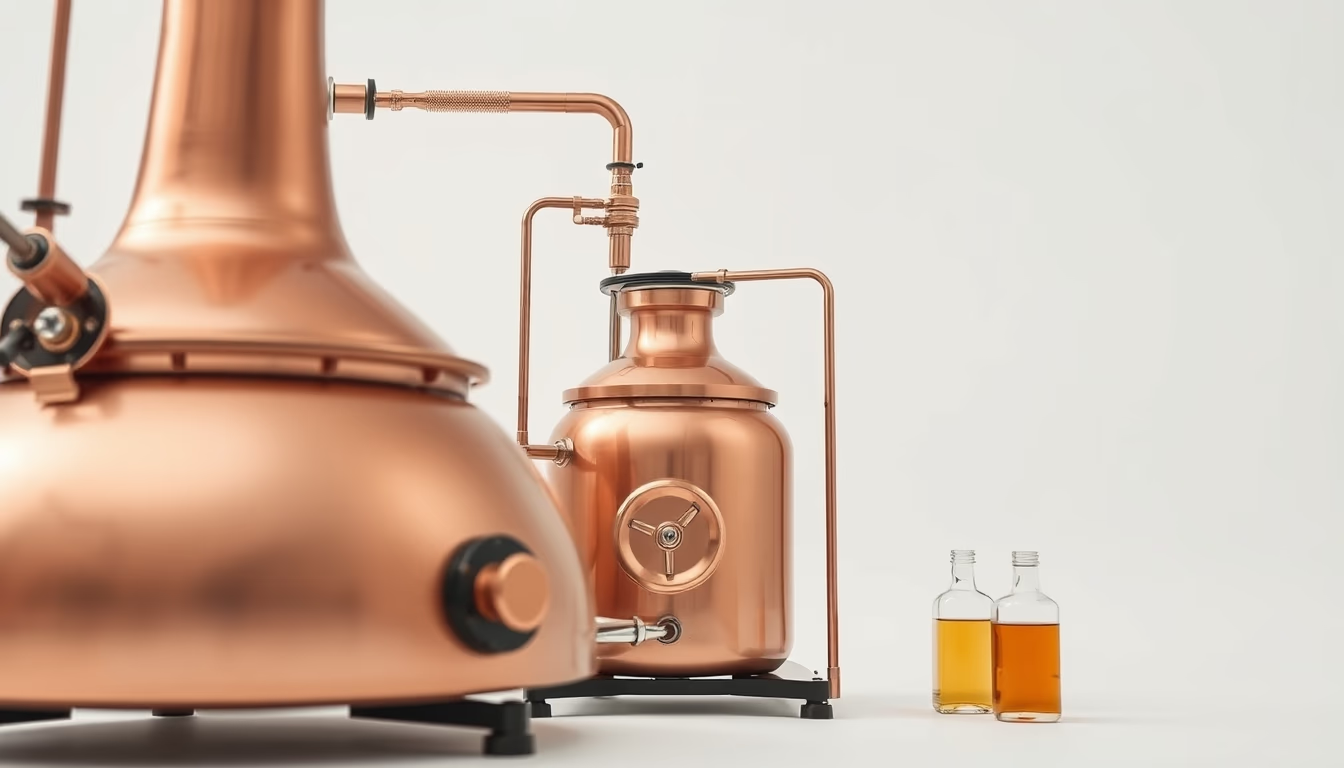
Copper still used in beverage distillation, highlighting its role in whiskey and other alcoholic spirit production.
About this subject
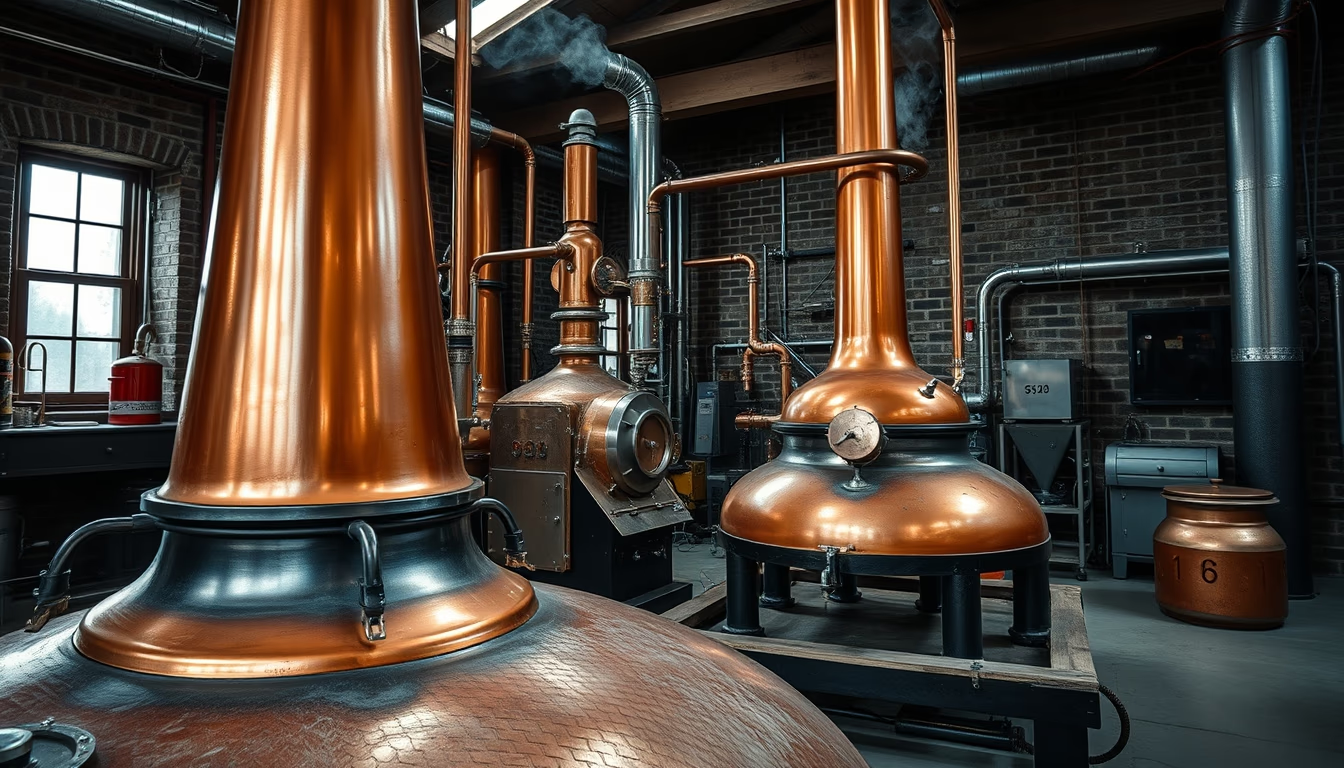
The copper still is an essential piece of equipment for distilling spirits such as whiskey, rum, and brandy. Its shape and material are not coincidental: copper chemically reacts with sulfur compounds in the mash, removing unpleasant odors and contributing to a cleaner, more complex flavor. Additionally, copper is an excellent heat conductor, allowing precise temperature control during distillation.
There are two main types of stills: the pot still (batch distillation) and the column still (continuous distillation). The pot still, more traditional, is typical of Scottish single malt whiskey and cognac production. It operates in batches, concentrating flavors and resulting in a fuller-bodied distillate. The column still, on the other hand, is used for large-scale production, such as American whiskey and vodka, yielding a more neutral spirit.
The choice of copper has historical and technical implications. During fermentation, sulfur from grains can create rubbery or rotten egg flavors. The copper surface reacts with these compounds, forming copper sulfate which is removed in the process. Scottish whiskey distilleries, such as those in the Speyside region, often replace their stills every 15 years because copper wear affects distillate quality. The still shape also matters: long necks produce lighter spirits, while short necks yield heavier flavors.
Interestingly, the traditional copper color is not just aesthetic. Copper is an antimicrobial metal, helping maintain process hygiene. Although modern distilleries use stainless steel in some stages, copper remains irreplaceable for flavor complexity. Major brands like Macallan and Jameson still use handcrafted copper stills, valuing tradition and control over sensory profile.
Frequently Asked Questions
Why are distillation stills made of copper?
Copper removes undesirable sulfur compounds and is an excellent heat conductor, allowing precise temperature control and contributing to a cleaner flavor.
What is the difference between a pot still and a column still?
A pot still operates in batches and produces full-bodied spirits like single malt scotch. A column still runs continuously and yields neutral spirits used in vodkas and American whiskeys.
How often are copper stills replaced in distilleries?
In Scottish whiskey distilleries, copper stills are replaced every 10-20 years because copper wear affects distillate quality.
Direct URL
https://pub-c7d6a6ea828543ac903a74a341ccb2e1.r2.dev/imagens/distillery-copper-still-commercial-product-photography-p4.avifHow to credit
Include a visible link back to UtilizAí. Copy one of the snippets below:
<a href="https://xn--utiliza-eza.com/en/midia/imagens/distillery-copper-still-commercial-product-photography-p4">Distillery copper still</a> by <a href="https://xn--utiliza-eza.com">UtilizAí</a>, licensed under <a href="https://creativecommons.org/licenses/by/4.0/">CC BY 4.0</a>.
[Distillery copper still](https://xn--utiliza-eza.com/en/midia/imagens/distillery-copper-still-commercial-product-photography-p4) by [UtilizAí](https://xn--utiliza-eza.com), CC BY 4.0
License: CC-BY-4.0