Delivery driver handing package to customer at door
1344×768 · AVIF · CC BY 4.0
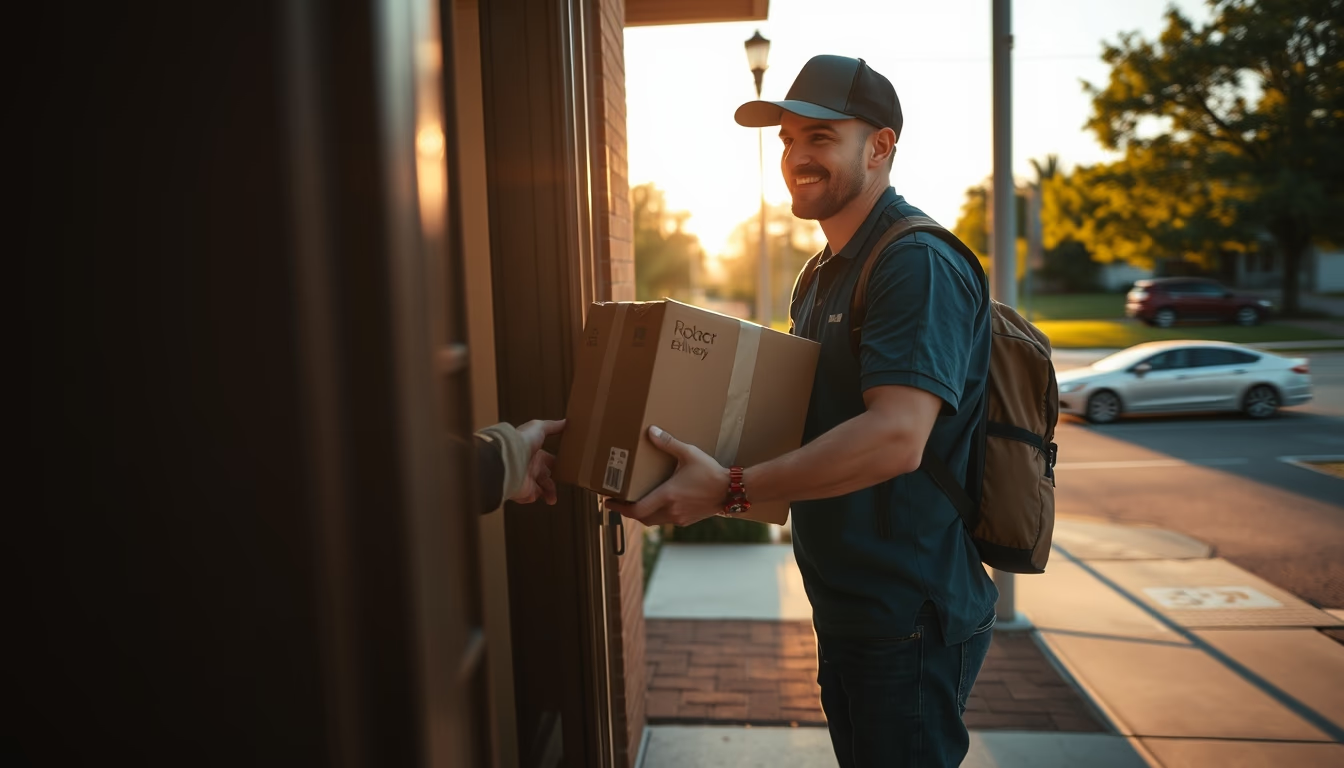
Delivery driver hands a package to a customer at the doorstep in the late afternoon, a common scene in Brazilian e-commerce.
About this subject
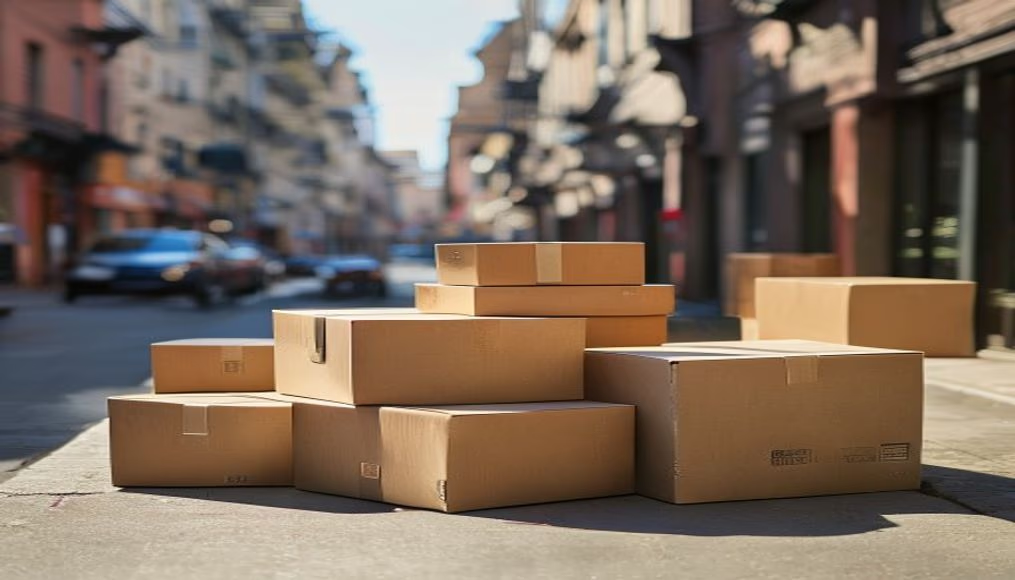
E-commerce in Brazil has grown exponentially over the past decade, driven by the COVID-19 pandemic and the expansion of logistics infrastructure. According to the Brazilian Association of Electronic Commerce (ABComm), online sales reached R$ 185.7 billion in 2022, a 5% increase from the previous year. This growth has created a massive demand for delivery services, making the delivery driver a ubiquitous figure in Brazilian cities. The late afternoon is particularly busy, as many deliveries are scheduled to coincide with residents returning from work, increasing the chance of personal receipt. Doorstep delivery, while convenient, also raises issues of security and privacy, especially in dense urban areas. Companies like Mercado Livre, Shopee, and Amazon have invested in owned fleets and partnerships with carriers to optimize the last mile, the final leg of delivery. Additionally, the popularization of smart lockers and pickup points offers alternatives for consumers who cannot receive packages at home. The image captures this everyday moment, highlighting the quick, professional interaction between driver and customer. Deliveries in Brazil face unique logistical challenges, such as geographic diversity, urban violence, and customs bureaucracy for imported goods. Despite this, the sector continues to innovate with routing technology, real-time tracking, and drone delivery pilot projects. The delivery driver, often an independent contractor or outsourced worker, plays a crucial role in this chain, facing long hours and variable working conditions. Regulation of platform-based work is a topic of debate in the National Congress, with proposals aiming to guarantee labor rights without discouraging job creation.
Frequently Asked Questions
What are the main logistical challenges for deliveries in Brazil?
The main challenges include geographic diversity, urban violence, customs bureaucracy for imported goods, and variable transport infrastructure, especially in remote areas. Companies invest in smart routing and local partnerships to mitigate these issues.
How does the 'last mile' work in Brazilian e-commerce?
The last mile is the final leg of delivery, from the distribution center to the customer's home. In Brazil, it is often outsourced to carriers or performed by independent drivers via apps. Optimizing this leg is crucial to reduce costs and delivery times.
What are smart lockers and how do they work?
Smart lockers are lockers installed in public places or condominiums where delivery drivers deposit packages. The customer receives a code to pick up the parcel at a convenient time, increasing security and avoiding failed delivery attempts.
Direct URL
https://pub-c7d6a6ea828543ac903a74a341ccb2e1.r2.dev/imagens/delivery-driver-handing-package-to-customer-at-door-wide-late-afternoon.avifHow to credit
Include a visible link back to UtilizAí. Copy one of the snippets below:
<a href="https://xn--utiliza-eza.com/en/midia/imagens/delivery-driver-handing-package-to-customer-at-door-wide-late-afternoon">Delivery driver handing package to customer at door</a> by <a href="https://xn--utiliza-eza.com">UtilizAí</a>, licensed under <a href="https://creativecommons.org/licenses/by/4.0/">CC BY 4.0</a>.
[Delivery driver handing package to customer at door](https://xn--utiliza-eza.com/en/midia/imagens/delivery-driver-handing-package-to-customer-at-door-wide-late-afternoon) by [UtilizAí](https://xn--utiliza-eza.com), CC BY 4.0
License: CC-BY-4.0