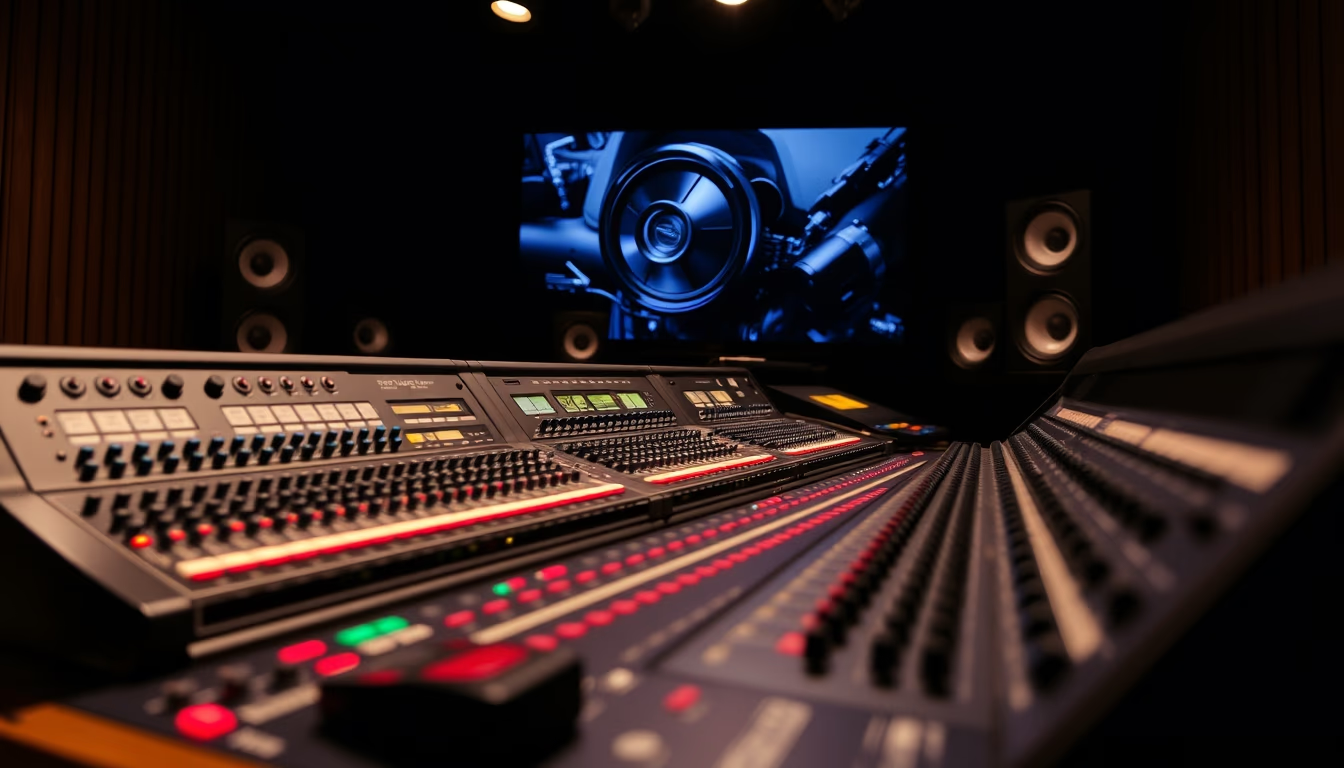
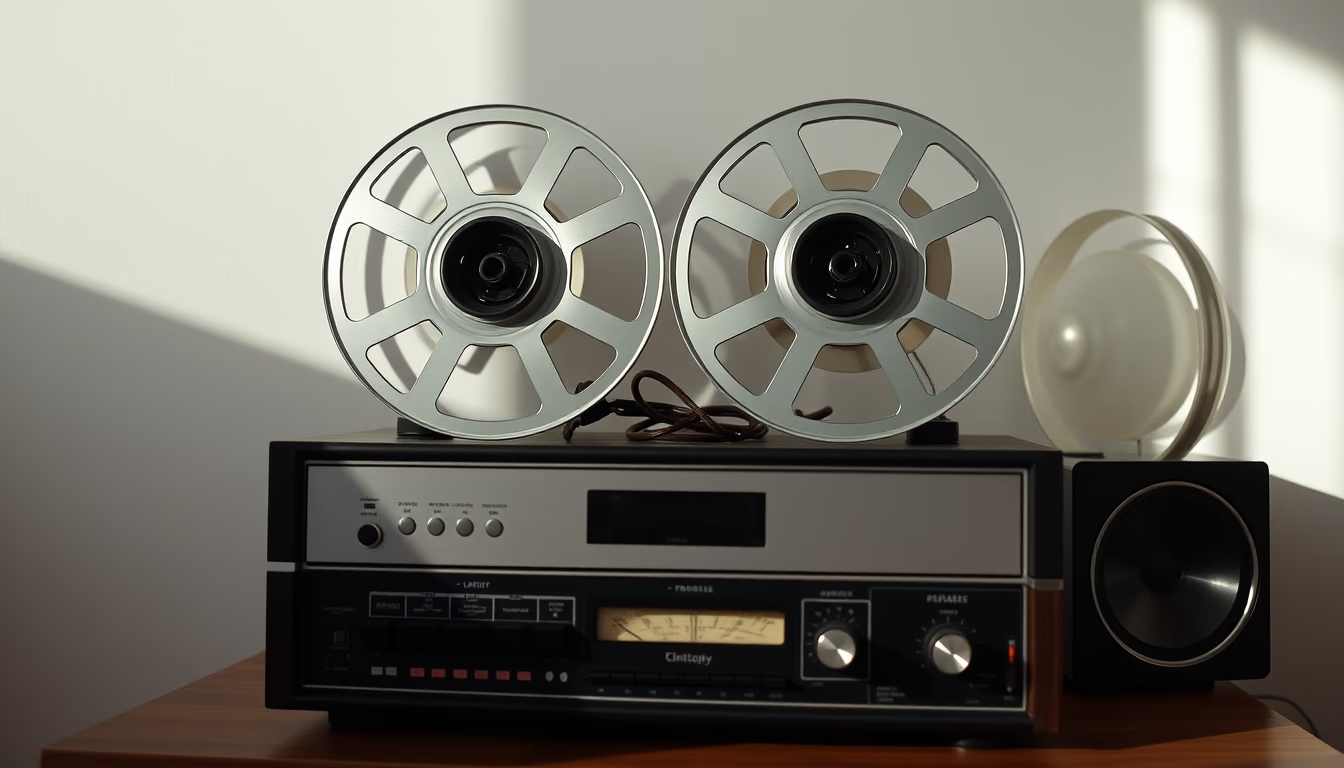
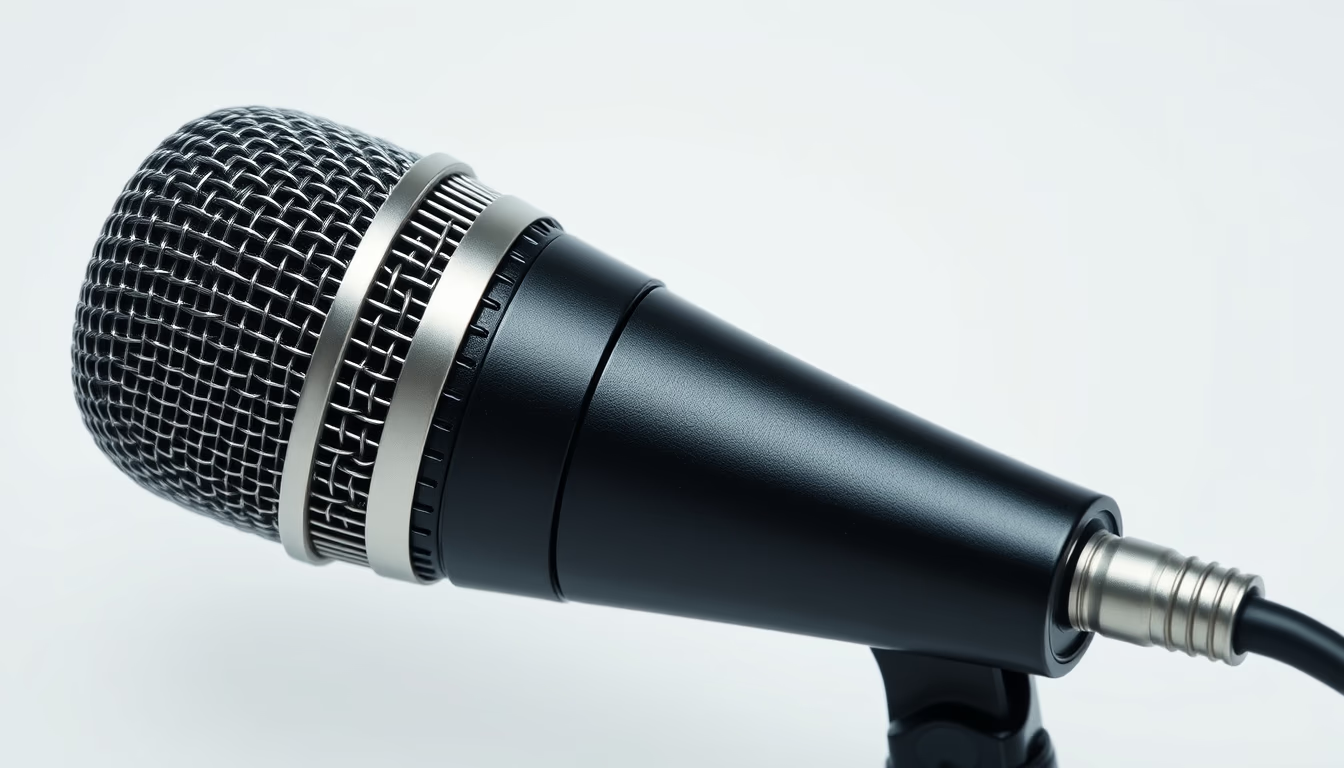
Dat tape recorder
1344×768 · AVIF · CC BY 4.0
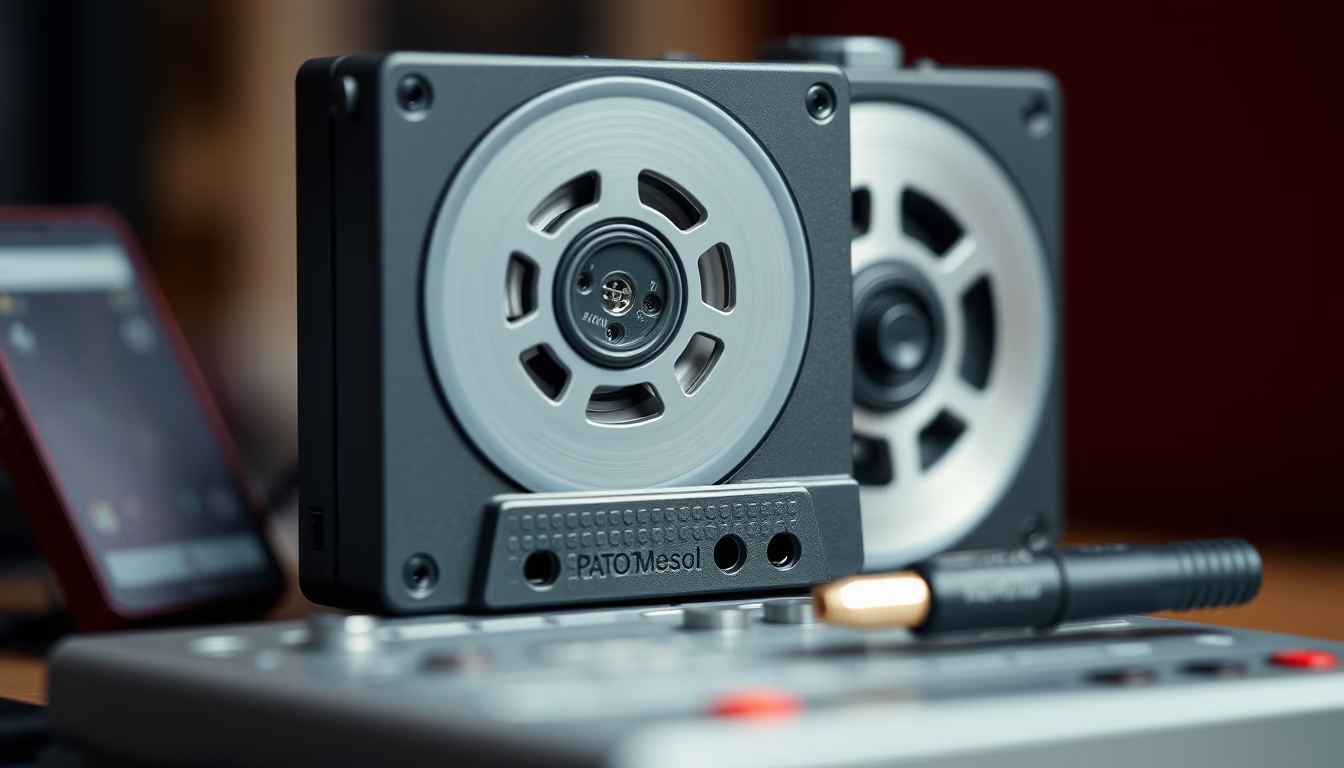
The DAT (Digital Audio Tape) recorder revolutionized professional recording in the 1990s with high-fidelity digital audio on magnetic tape.
About this subject
The DAT (Digital Audio Tape) is a digital recording format developed by Sony and Hewlett-Packard, introduced in 1987. Unlike CDs or analog cassette tapes, DAT uses 3.81 mm magnetic tape (similar to a compact cassette) to store uncompressed digital audio at sampling rates of 32, 44.1, and 48 kHz. Its main advantage was absolute fidelity: digital recording eliminated the noise and distortion typical of analog tape.
In the 1990s, DAT became the standard in professional studios and for CD mastering. Musicians, sound engineers, and broadcasters adopted the format for capturing live performances and producing reference recordings. However, DAT never reached the mass consumer market due to the high cost of equipment and the lack of home playback devices. Moreover, the recording industry feared digital piracy, leading to controversies over royalty fees on blank DAT tapes.
Interestingly, DAT was also used in computers for data storage, especially in the DDS (Digital Data Storage) backup format. With the rise of hard drives, recordable CDs, and later hard disk and flash recording, DAT fell out of use by the late 2000s. Today, the format holds nostalgic and collectible value, remembered as a milestone in professional audio digitization.
Frequently Asked Questions
What is the difference between DAT and a regular cassette tape?
DAT is digital and lossless, while regular cassette is analog. DAT uses a rotating head (similar to a VCR) to read diagonal tracks, recording high-fidelity sound without hiss or distortion.
Why did DAT never become popular with the general public?
DAT recorders and players were expensive, and blank tapes were costly. Moreover, home playback devices were rare, and the recording industry imposed legal barriers due to fear of digital piracy.
Can I still use a DAT recorder today?
Yes, but it is increasingly difficult. The mechanisms are delicate, heads wear out, and magnetic tapes degrade over time. Collectors and audio archives still maintain working units to transfer historical recordings to modern formats.
Direct URL
https://pub-c7d6a6ea828543ac903a74a341ccb2e1.r2.dev/imagens/dat-tape-recorder-tilt-shift-miniature-fresh7.avifHow to credit
Include a visible link back to UtilizAí. Copy one of the snippets below:
<a href="https://xn--utiliza-eza.com/en/midia/imagens/dat-tape-recorder-tilt-shift-miniature-fresh7">Dat tape recorder</a> by <a href="https://xn--utiliza-eza.com">UtilizAí</a>, licensed under <a href="https://creativecommons.org/licenses/by/4.0/">CC BY 4.0</a>.
[Dat tape recorder](https://xn--utiliza-eza.com/en/midia/imagens/dat-tape-recorder-tilt-shift-miniature-fresh7) by [UtilizAí](https://xn--utiliza-eza.com), CC BY 4.0
License: CC-BY-4.0