Dat tape recorder
1344×768 · AVIF · CC BY 4.0
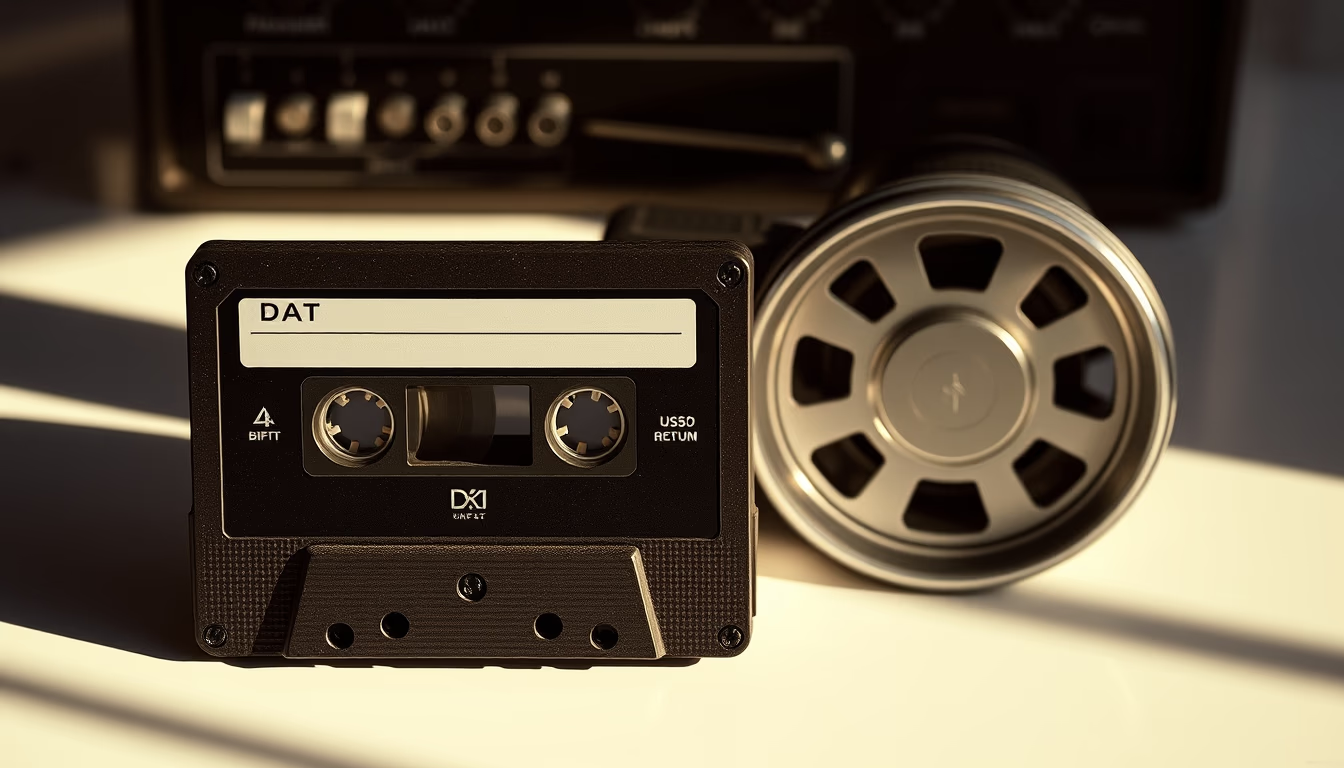
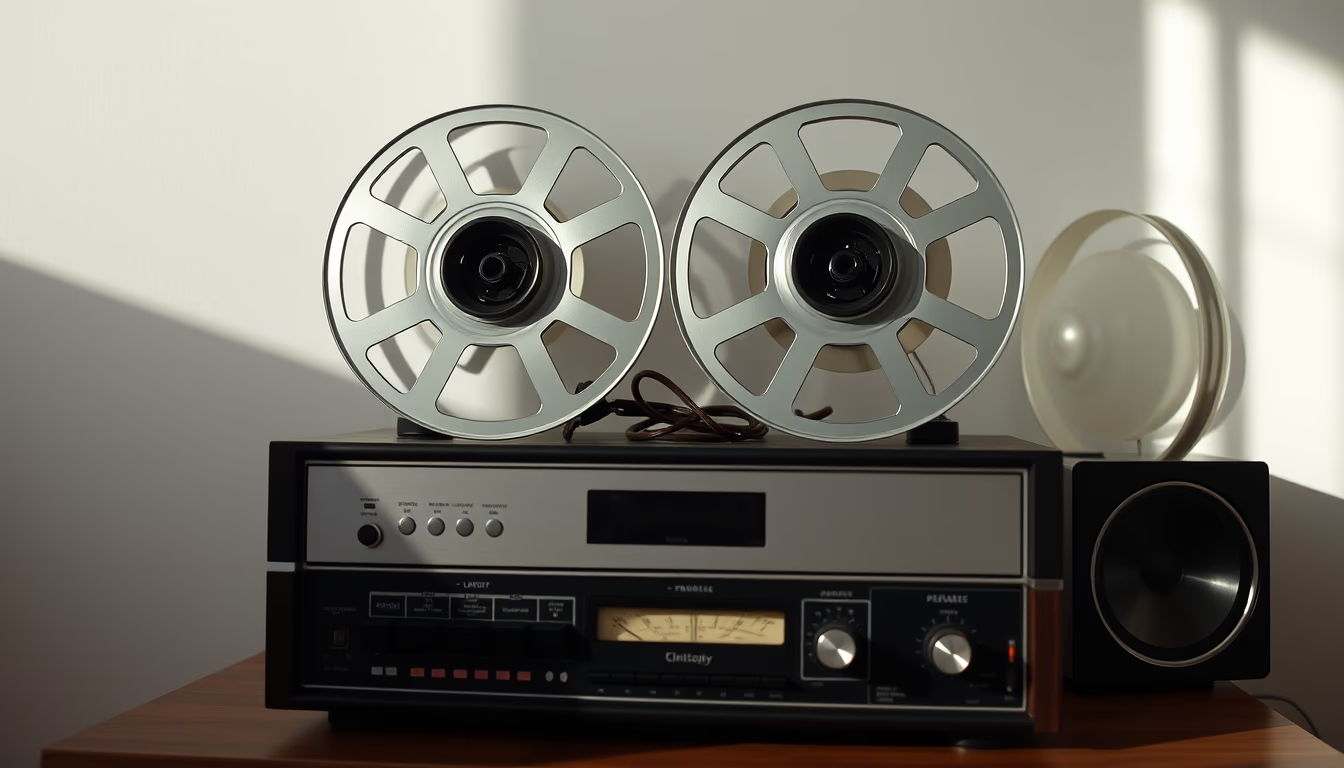
The DAT (Digital Audio Tape) recorder revolutionized professional audio recording in the 1990s with high-fidelity digital sound on magnetic tape.
About this subject
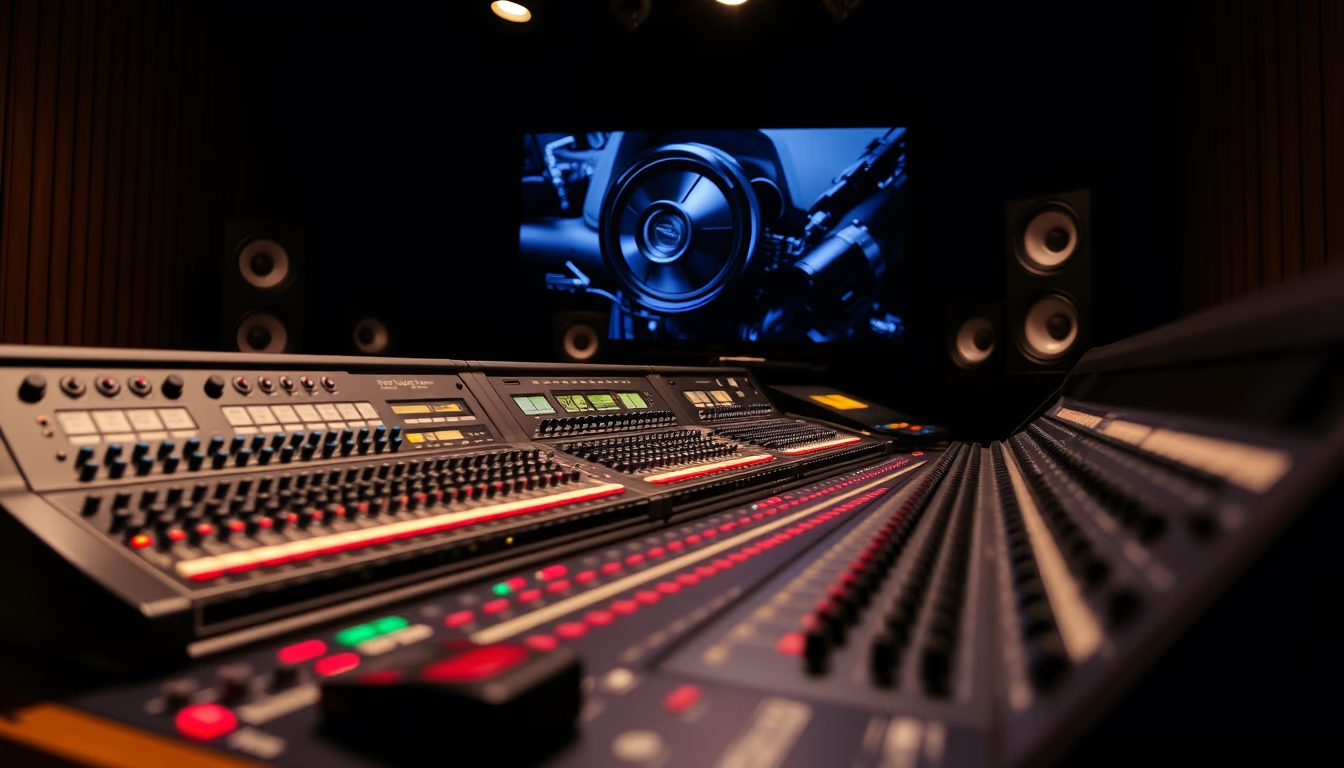
DAT, or Digital Audio Tape, was a digital audio recording format introduced by Sony in 1987. It used 4 mm magnetic tape in compact cassettes, employing helical scan recording (rotating head) similar to a VCR. Sampling rates could reach 48 kHz at 16-bit resolution, offering CD-quality sound on a removable, rewritable medium. Quickly adopted in recording studios, radio stations, and by musicians, DAT became the standard for mastering and exchanging digital audio files before hard drives and optical media became widespread.
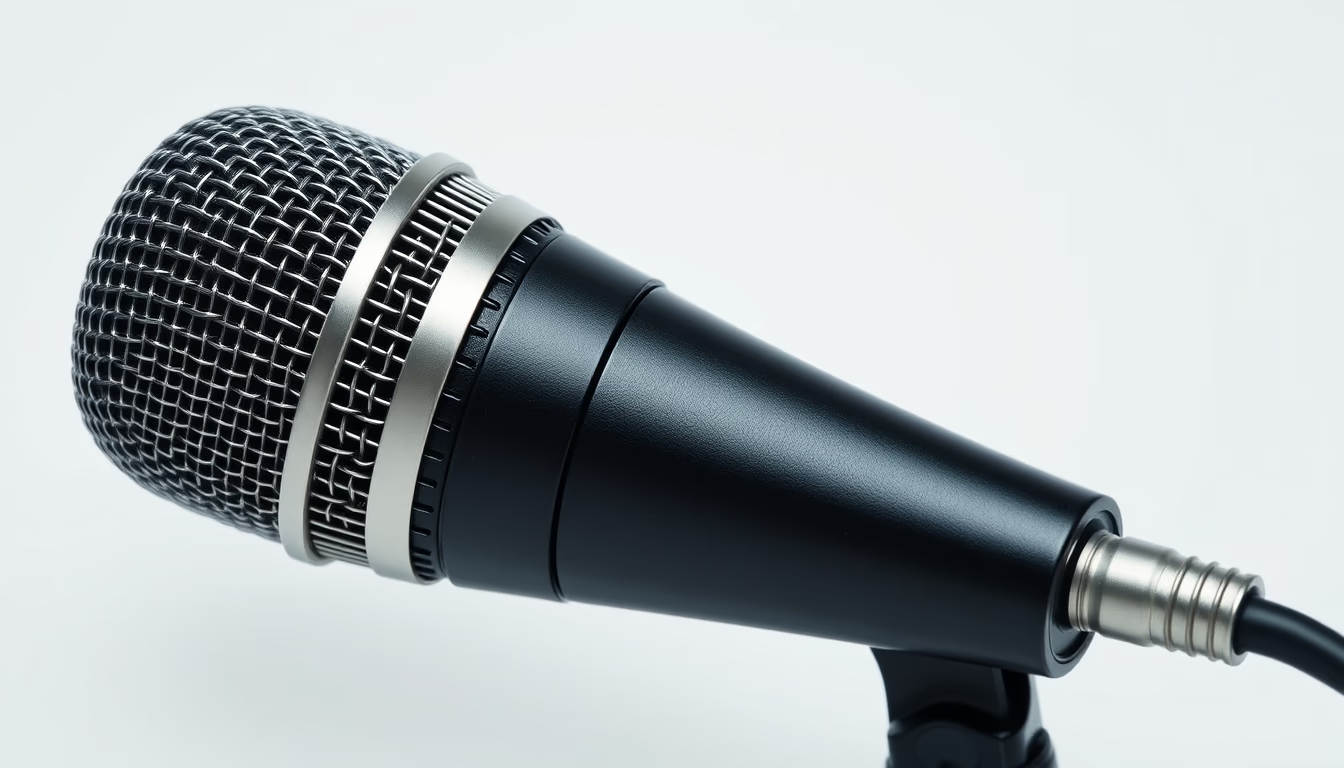
The format offered significant advantages over analog tape: no background hiss, lossless digital copies (perfect clones), and up to 2 hours of recording time. Professionals used DAT for capturing live performances, final mixes, and archiving. In the US and Europe, labels like Deutsche Grammophon and ECM used DAT for classical and jazz recordings. The format was also popular in broadcast journalism for field recording.
Despite its success, DAT faced competition from CD-R, MiniDisc, and later hard-drive and flash-based systems. The recording industry's reluctance to support DAT for commercial distribution (over copy protection concerns) limited its home use. By the 2000s, the rise of computer-based audio and nonlinear editing accelerated its decline. Today, DAT is obsolete, but still valued by collectors and archivists for its durability and sound quality. The tape itself also saw use in computer backup (DDS format).
A curiosity: DAT was one of the first consumer digital audio formats to support 96 kHz sampling in its long-play modes, and the helical scan mechanism required precision engineering, making recorders expensive. Its legacy lives on in the DDS (Digital Data Storage) format, used for computer backup until high-capacity hard drives took over.
Frequently Asked Questions
What does DAT stand for?
DAT stands for Digital Audio Tape, a magnetic tape-based digital recording format introduced by Sony in 1987.
Is DAT still used today?
DAT is now obsolete, but it is still used by some archivists and collectors due to its sound quality. The tape also evolved into the DDS format for computer backup.
What is the difference between DAT and a standard cassette?
DAT records digital audio in CD quality, while standard cassettes are analog. DAT uses a rotating head and 4 mm tape, offering higher fidelity and no tape hiss.
Direct URL
https://pub-c7d6a6ea828543ac903a74a341ccb2e1.r2.dev/imagens/dat-tape-recorder-magazine-editorial-fresh16.avifHow to credit
Include a visible link back to UtilizAí. Copy one of the snippets below:
<a href="https://xn--utiliza-eza.com/en/midia/imagens/dat-tape-recorder-magazine-editorial-fresh16">Dat tape recorder</a> by <a href="https://xn--utiliza-eza.com">UtilizAí</a>, licensed under <a href="https://creativecommons.org/licenses/by/4.0/">CC BY 4.0</a>.
[Dat tape recorder](https://xn--utiliza-eza.com/en/midia/imagens/dat-tape-recorder-magazine-editorial-fresh16) by [UtilizAí](https://xn--utiliza-eza.com), CC BY 4.0
License: CC-BY-4.0