Dat tape recorder
1344×768 · AVIF · CC BY 4.0
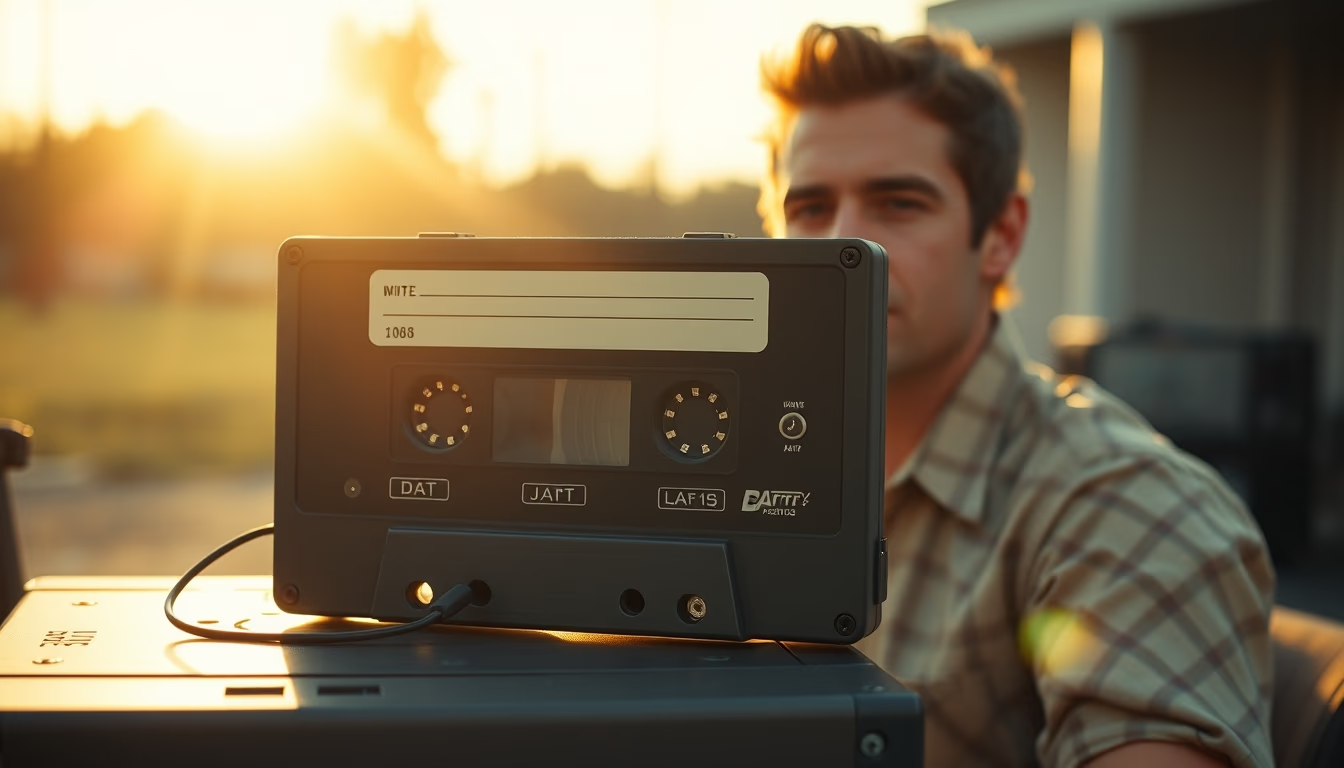
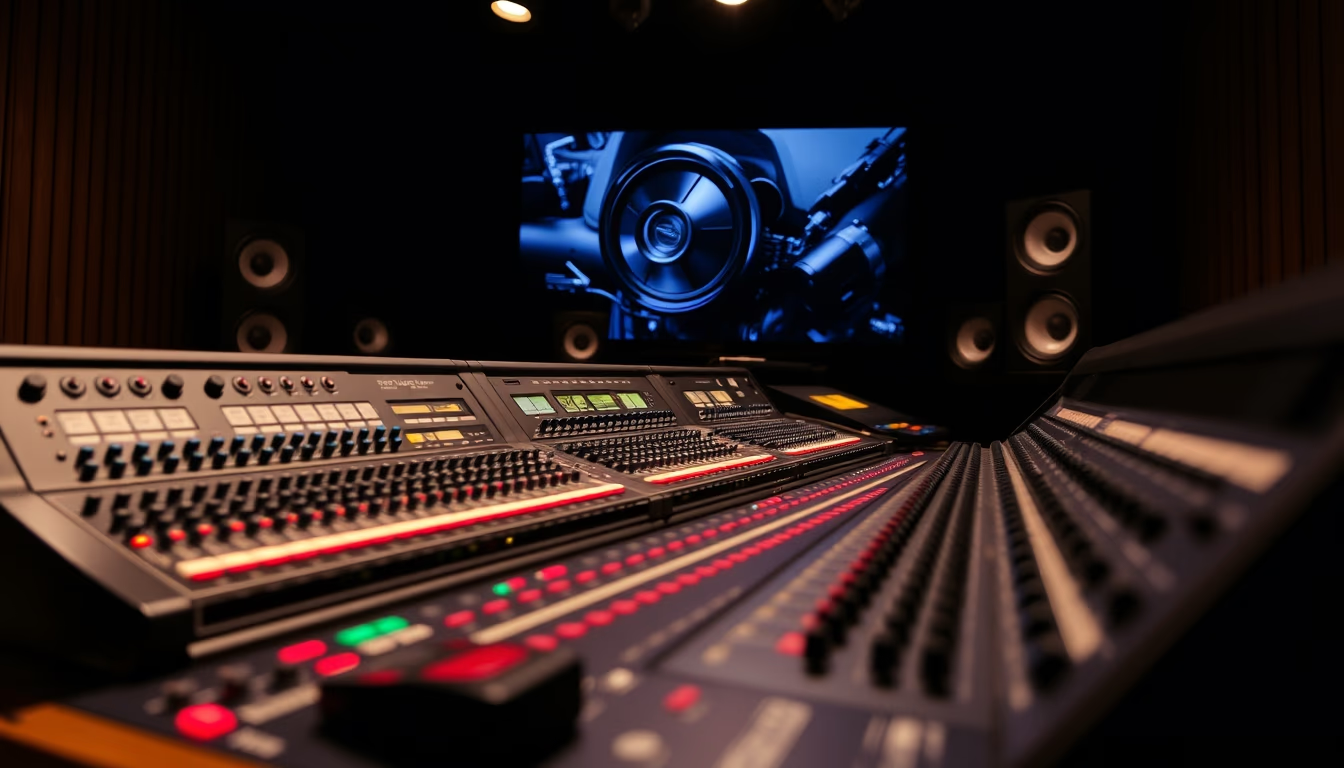
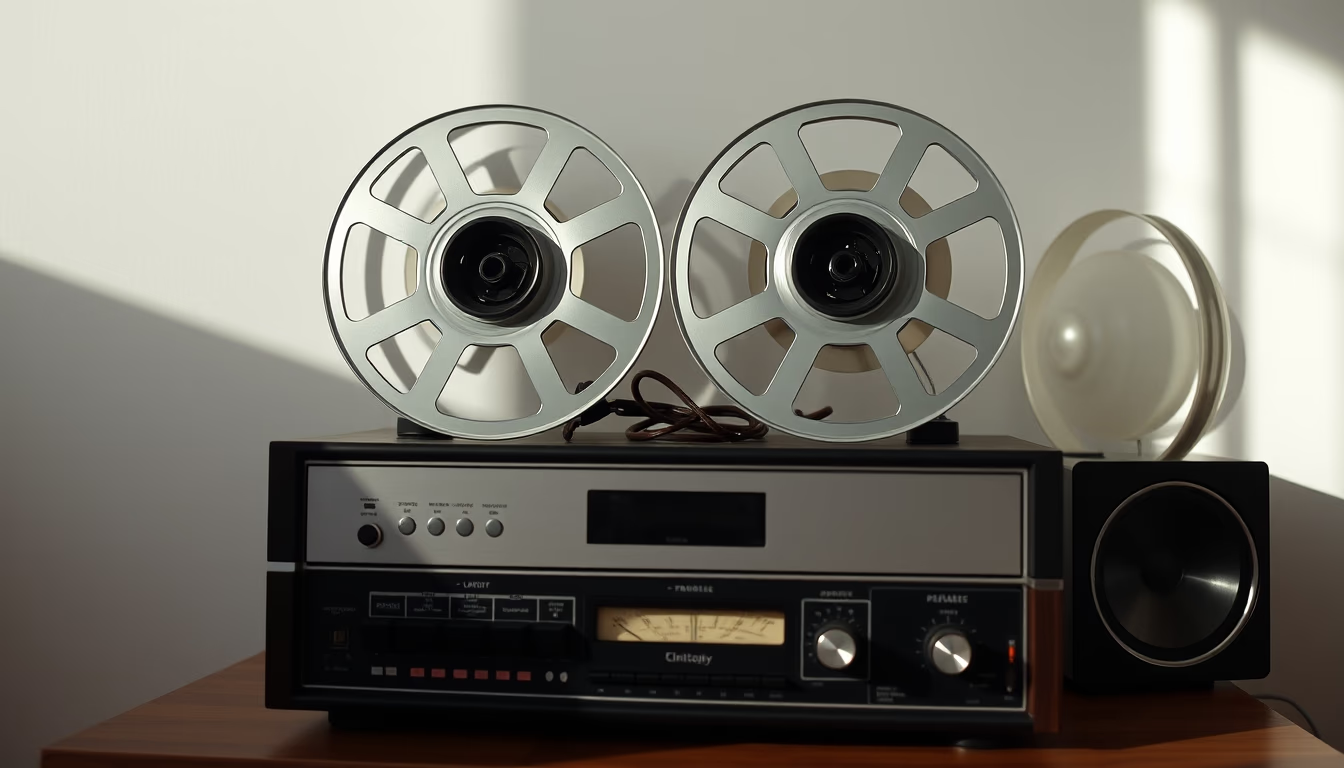
The DAT (Digital Audio Tape) recorder was a milestone in professional audio digitization during the 1980s and 1990s, combining magnetic tape with high-fidelity digital encoding.
About this subject
DAT (Digital Audio Tape) was introduced by Sony in 1987 as a digital audio recording and storage format on magnetic tape. Unlike analog formats such as the standard cassette, DAT used PCM (Pulse Code Modulation) to convert sound into binary data, enabling sampling rates up to 48 kHz and 16-bit resolution, equivalent to CD quality. This made it an essential tool in recording studios, radio stations, and live productions where fidelity and durability were paramount.
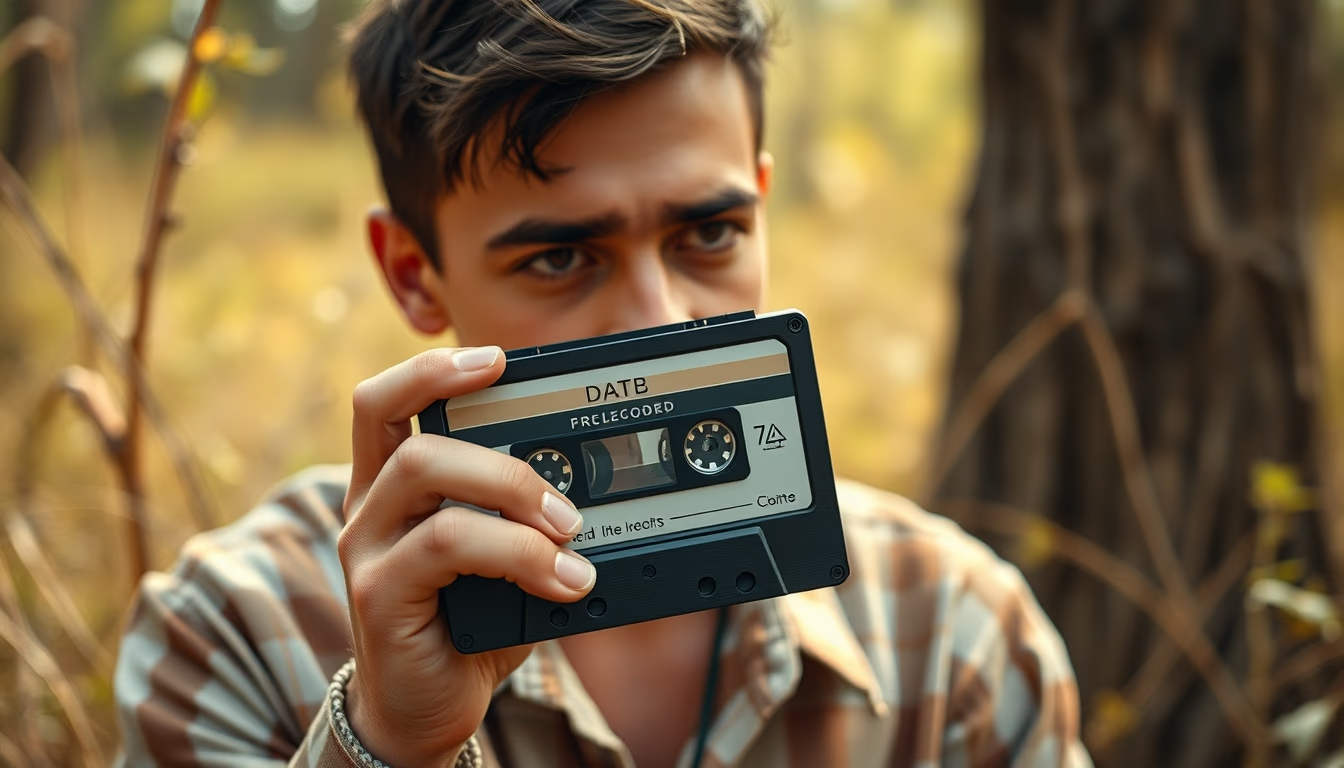
The DAT tape, compact and housed in a cartridge resembling a floppy disk, could store up to 120 minutes of stereo audio. The recording mechanism was helical scan, similar to VCRs, with rotating heads that wrote diagonal tracks on the tape. This allowed fast access to specific tracks and precise editing, making it popular among musicians and sound engineers. Additionally, the format supported subcodes for metadata like track numbers and absolute time.
However, DAT never gained widespread consumer adoption due to the high cost of recorders and tapes, as well as competition from formats like MiniDisc and, later, direct hard-disk recording. In the professional realm, it was gradually replaced by computer-based solutions and digital audio workstations (DAWs). Nevertheless, DAT left an important legacy in the transition from analog to digital audio, used until the mid-2000s in radio archives and studio masters.
Fun fact: Sony released a portable model, the TCD-D3, enabling field recording, used by reporters and documentarians. DAT was also employed in security systems and data backup, showcasing its versatility. Though obsolete, the format is remembered for its robustness and sound quality, still found in historical audio collections.
Frequently Asked Questions
What is the difference between a DAT recorder and a regular cassette recorder?
DAT records audio digitally using PCM, while a regular cassette records analog. DAT offers CD-quality sound, no tape hiss, and random access to tracks. Cassette tapes have lower fidelity and degrade over time.
Is DAT still used today?
Rarely. It has been replaced by hard-disk recording, SD cards, and streaming. However, it is still found in radio archives and studios preserving old masters, as well as among vintage equipment collectors.
How long can a DAT tape record?
Standard DAT tapes hold 60 to 120 minutes in stereo mode, depending on tape length and sampling rate. There were also 30- and 90-minute tapes.
Direct URL
https://pub-c7d6a6ea828543ac903a74a341ccb2e1.r2.dev/imagens/dat-tape-recorder-cinematic-wide-shot-fresh10.avifHow to credit
Include a visible link back to UtilizAí. Copy one of the snippets below:
<a href="https://xn--utiliza-eza.com/en/midia/imagens/dat-tape-recorder-cinematic-wide-shot-fresh10">Dat tape recorder</a> by <a href="https://xn--utiliza-eza.com">UtilizAí</a>, licensed under <a href="https://creativecommons.org/licenses/by/4.0/">CC BY 4.0</a>.
[Dat tape recorder](https://xn--utiliza-eza.com/en/midia/imagens/dat-tape-recorder-cinematic-wide-shot-fresh10) by [UtilizAí](https://xn--utiliza-eza.com), CC BY 4.0
License: CC-BY-4.0