Cyanobacteria filament
1344×768 · AVIF · CC BY 4.0
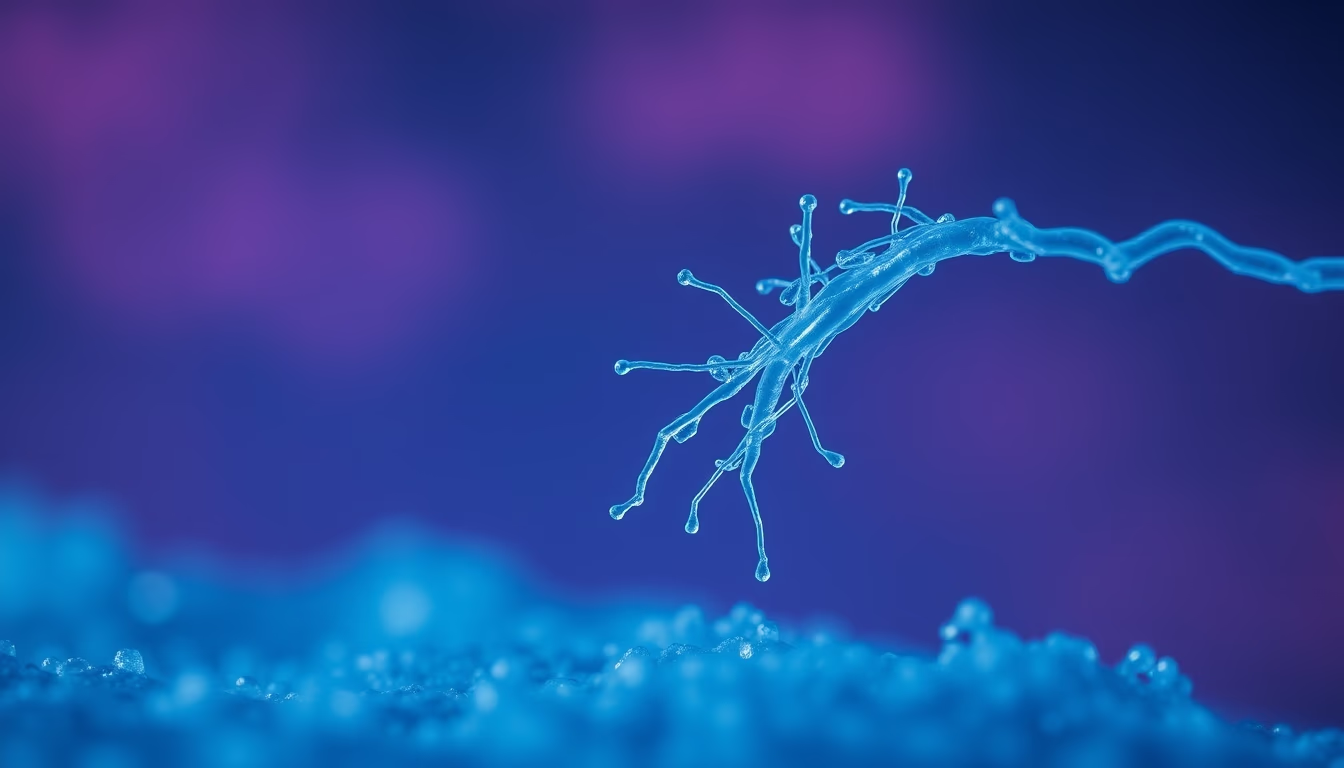
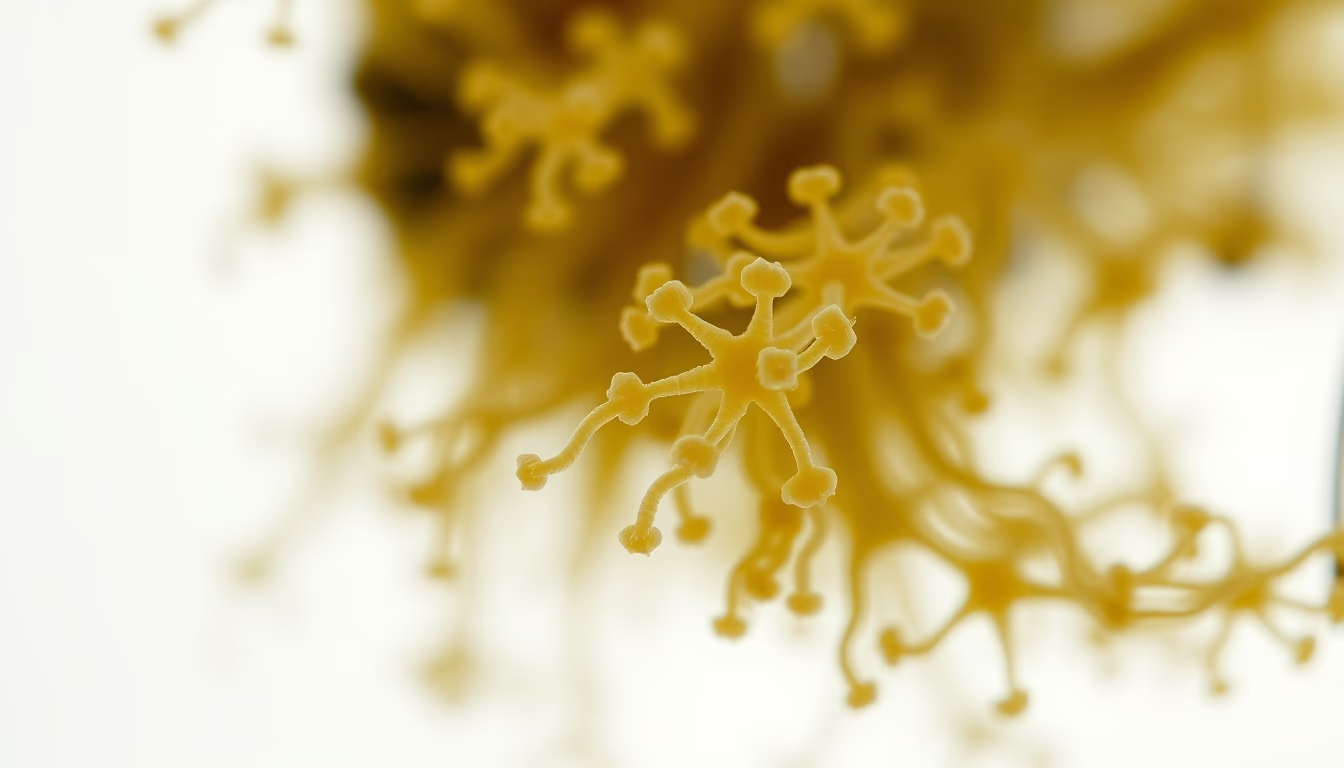
Filamentous cyanobacteria are ancient photosynthetic forms that oxygenated Earth's atmosphere and remain vital for biogeochemical cycles.
About this subject
Cyanobacteria are prokaryotic microorganisms capable of oxygenic photosynthesis, a process that evolved about 2.5 billion years ago. They were responsible for the Great Oxidation Event, which transformed the early atmosphere and enabled the rise of aerobic organisms. Filamentous forms consist of chains of connected cells, often surrounded by a mucilaginous sheath. Genera such as Anabaena, Nostoc, and Spirulina exemplify this morphology.
Some filamentous cyanobacteria possess specialized cells called heterocysts, where atmospheric nitrogen fixation occurs. This adaptation allows them to thrive in low-nitrogen environments, such as nutrient-poor soils or water bodies. Symbiotic associations with plants, like the partnership between Nostoc and certain fungi (forming lichens), highlight their ecological importance.
Today, cyanobacteria are studied for biofuel production, protein supplements (e.g., Spirulina), and pollutant remediation. However, excessive blooms in eutrophic lakes release toxins that endanger human and animal health. Their adaptability also makes them key models for astrobiology, as they survive extreme conditions similar to those on early Mars.
Frequently Asked Questions
What are filamentous cyanobacteria?
They are prokaryotic photosynthetic microorganisms that form elongated chains of cells. Unlike unicellular forms, they can differentiate heterocysts for nitrogen fixation.
Why are cyanobacteria important for the planet?
They were the first organisms to release oxygen into the early atmosphere, enabling the evolution of aerobic life. Today, they drive carbon and nitrogen cycles and form the base of many aquatic food webs.
Can filamentous cyanobacteria be harmful?
Yes, blooms in eutrophic lakes produce toxins such as microcystins, which contaminate drinking water and cause liver and nerve damage. However, some species like Spirulina are safely cultivated as dietary supplements.
Direct URL
https://pub-c7d6a6ea828543ac903a74a341ccb2e1.r2.dev/imagens/cyanobacteria-filament-long-exposure-fresh3.avifHow to credit
Include a visible link back to UtilizAí. Copy one of the snippets below:
<a href="https://xn--utiliza-eza.com/en/midia/imagens/cyanobacteria-filament-long-exposure-fresh3">Cyanobacteria filament</a> by <a href="https://xn--utiliza-eza.com">UtilizAí</a>, licensed under <a href="https://creativecommons.org/licenses/by/4.0/">CC BY 4.0</a>.
[Cyanobacteria filament](https://xn--utiliza-eza.com/en/midia/imagens/cyanobacteria-filament-long-exposure-fresh3) by [UtilizAí](https://xn--utiliza-eza.com), CC BY 4.0
License: CC-BY-4.0