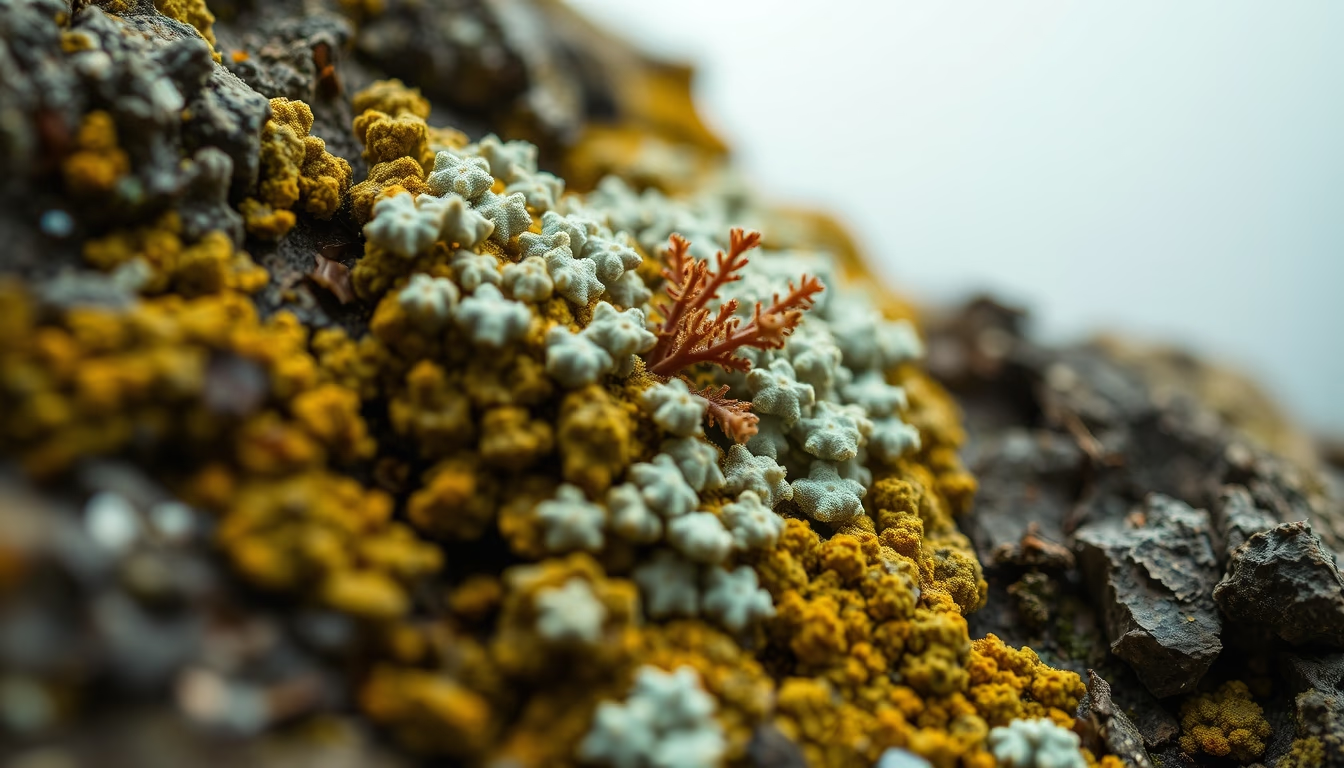
Cyanobacteria filament
1344×768 · AVIF · CC BY 4.0
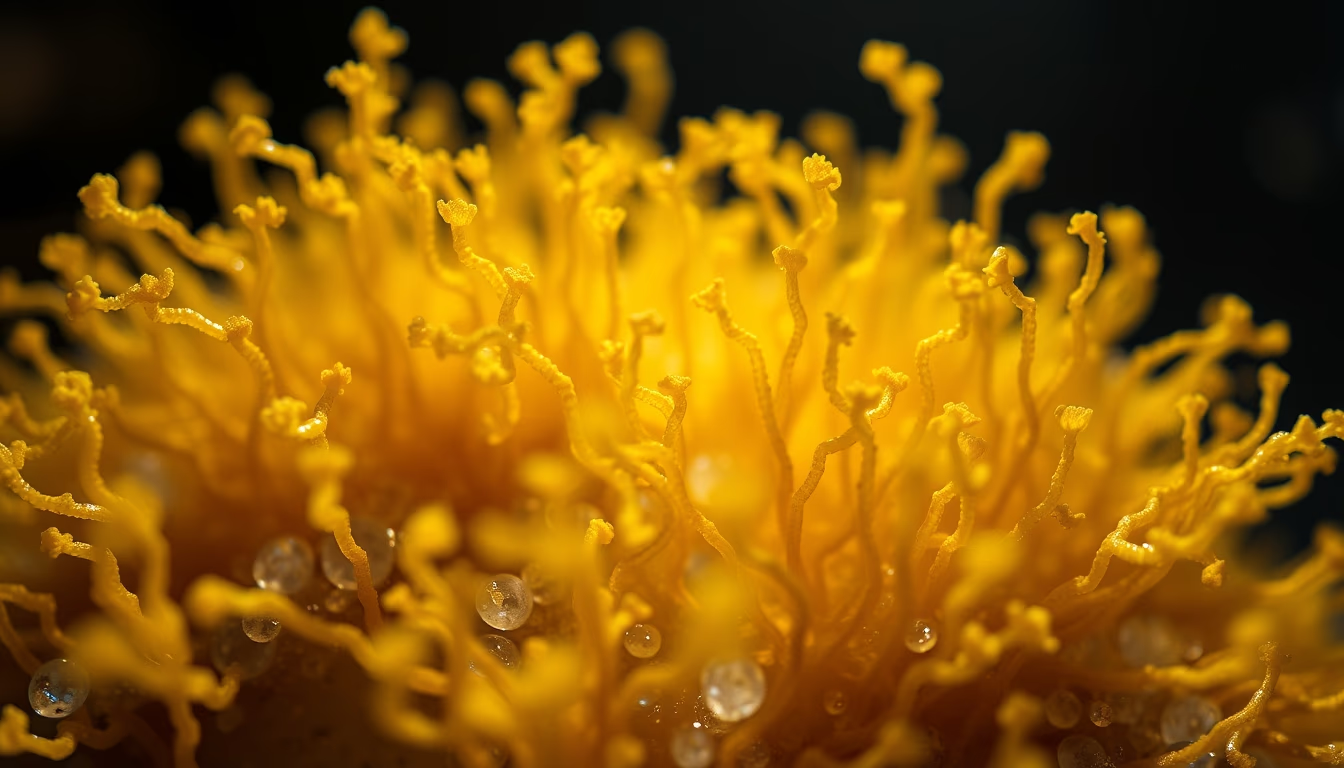
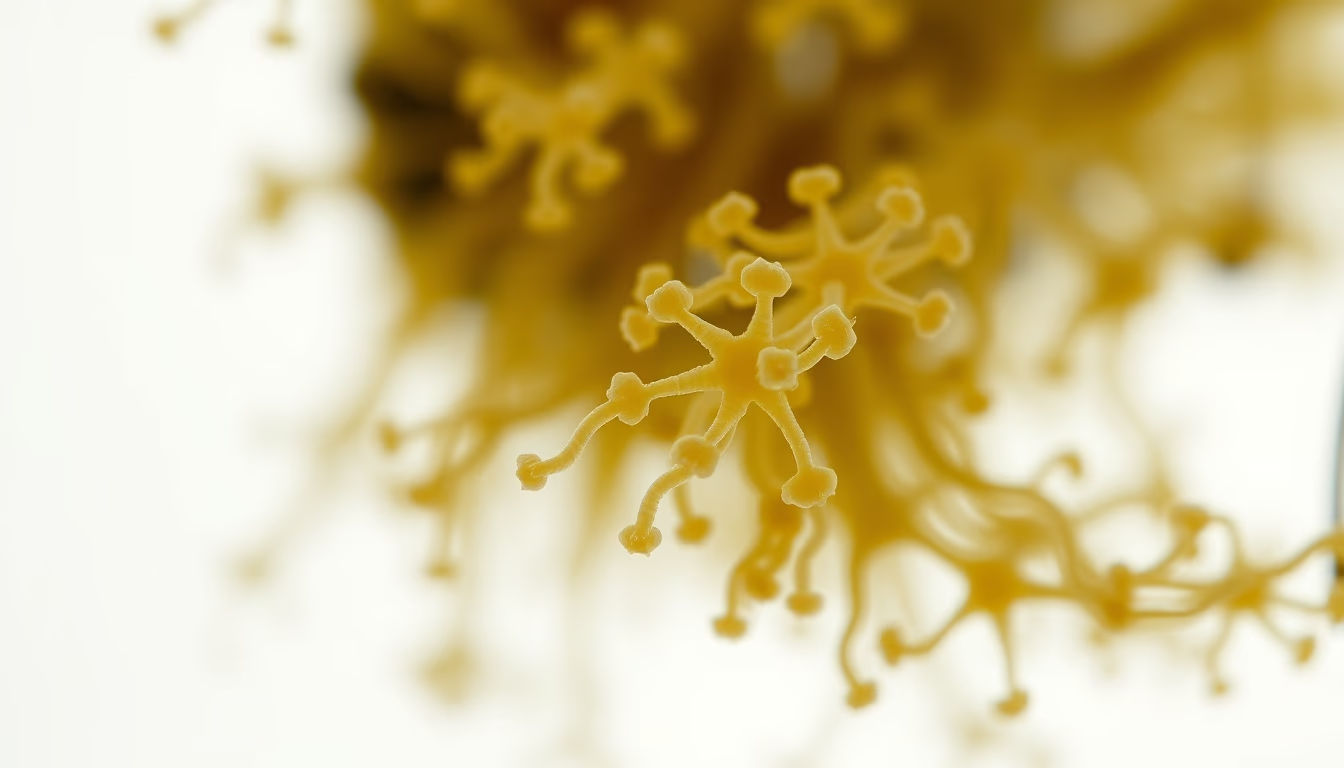
Filamentous cyanobacteria are photosynthetic organisms that form colonies in aquatic and terrestrial environments, essential for oxygen production.
About this subject
Cyanobacteria, also known as blue-green algae, are photosynthetic prokaryotes that have existed for over 3.5 billion years. Filamentous forms, such as those in the genera Anabaena or Nostoc, consist of chains of cells that can differentiate into heterocysts, responsible for fixing atmospheric nitrogen. This ability makes them crucial for soil fertility in ecosystems like rice paddies and wetlands.
In Brazil, filamentous cyanobacteria are commonly found in freshwater reservoirs, especially during blooms that occur in periods of high temperature and eutrophication. These events can produce toxins such as microcystins, posing risks to human and animal health. On the other hand, species like Spirulina are commercially cultivated for their high nutritional value, widely used as dietary supplements.
From an evolutionary perspective, cyanobacteria were responsible for the Great Oxidation Event, which transformed Earth's atmosphere about 2.4 billion years ago. Their descendants, chloroplasts, gave rise to green plants. Current research focuses on using filamentous cyanobacteria for biofuel production and bioremediation, due to their photosynthetic efficiency and ability to grow under harsh conditions.
Frequently Asked Questions
Where are filamentous cyanobacteria found?
They are found in freshwater, saltwater, moist soils, and even extreme environments like hot springs. In Brazil, they are common in lakes and reservoirs, especially during blooms.
What are the risks of cyanobacteria blooms?
Some cyanobacteria produce toxins such as microcystins and anatoxins, which can contaminate water and cause liver and neurological problems in humans and animals.
How do filamentous cyanobacteria contribute to agriculture?
By fixing atmospheric nitrogen, they enrich the soil with nitrogen compounds. Species like Nostoc are used as biofertilizers in rice paddies.
Direct URL
https://pub-c7d6a6ea828543ac903a74a341ccb2e1.r2.dev/imagens/cyanobacteria-filament-fine-art-photography-fresh14.avifHow to credit
Include a visible link back to UtilizAí. Copy one of the snippets below:
<a href="https://xn--utiliza-eza.com/en/midia/imagens/cyanobacteria-filament-fine-art-photography-fresh14">Cyanobacteria filament</a> by <a href="https://xn--utiliza-eza.com">UtilizAí</a>, licensed under <a href="https://creativecommons.org/licenses/by/4.0/">CC BY 4.0</a>.
[Cyanobacteria filament](https://xn--utiliza-eza.com/en/midia/imagens/cyanobacteria-filament-fine-art-photography-fresh14) by [UtilizAí](https://xn--utiliza-eza.com), CC BY 4.0
License: CC-BY-4.0