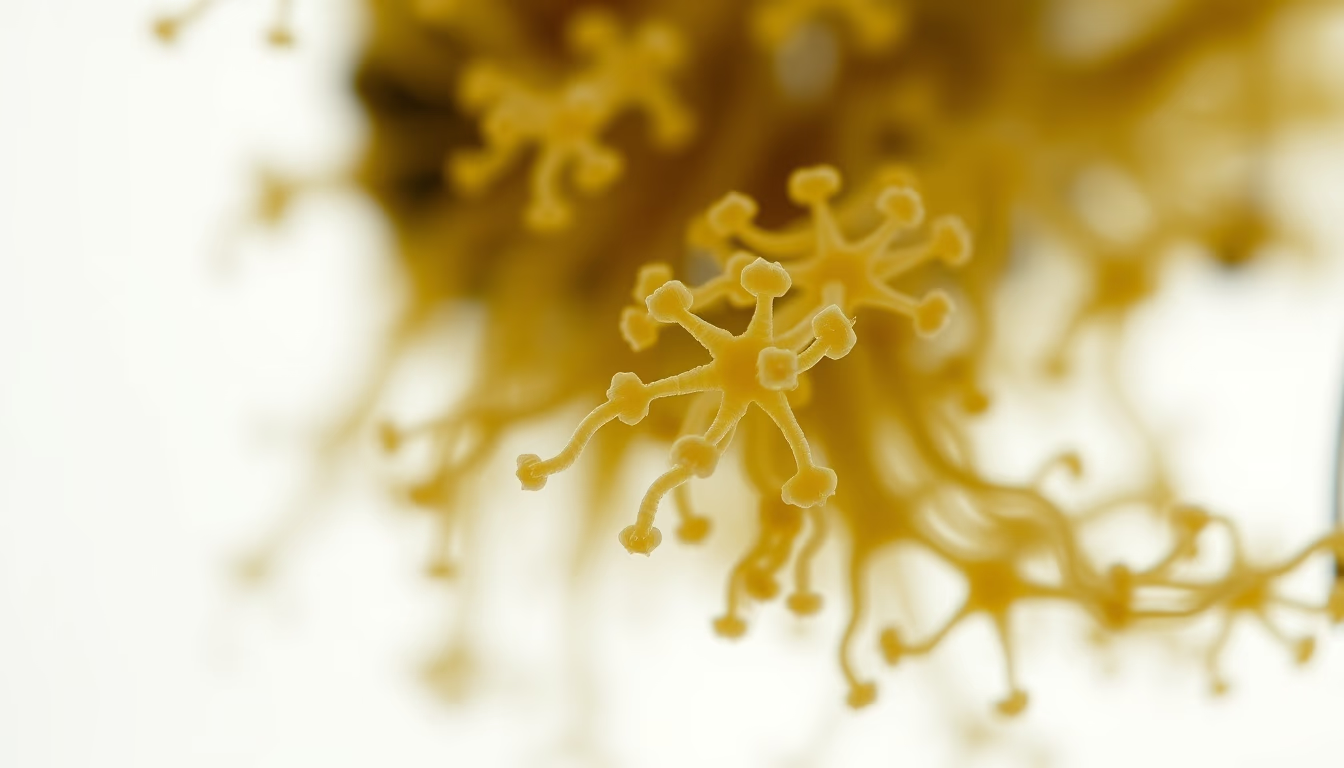
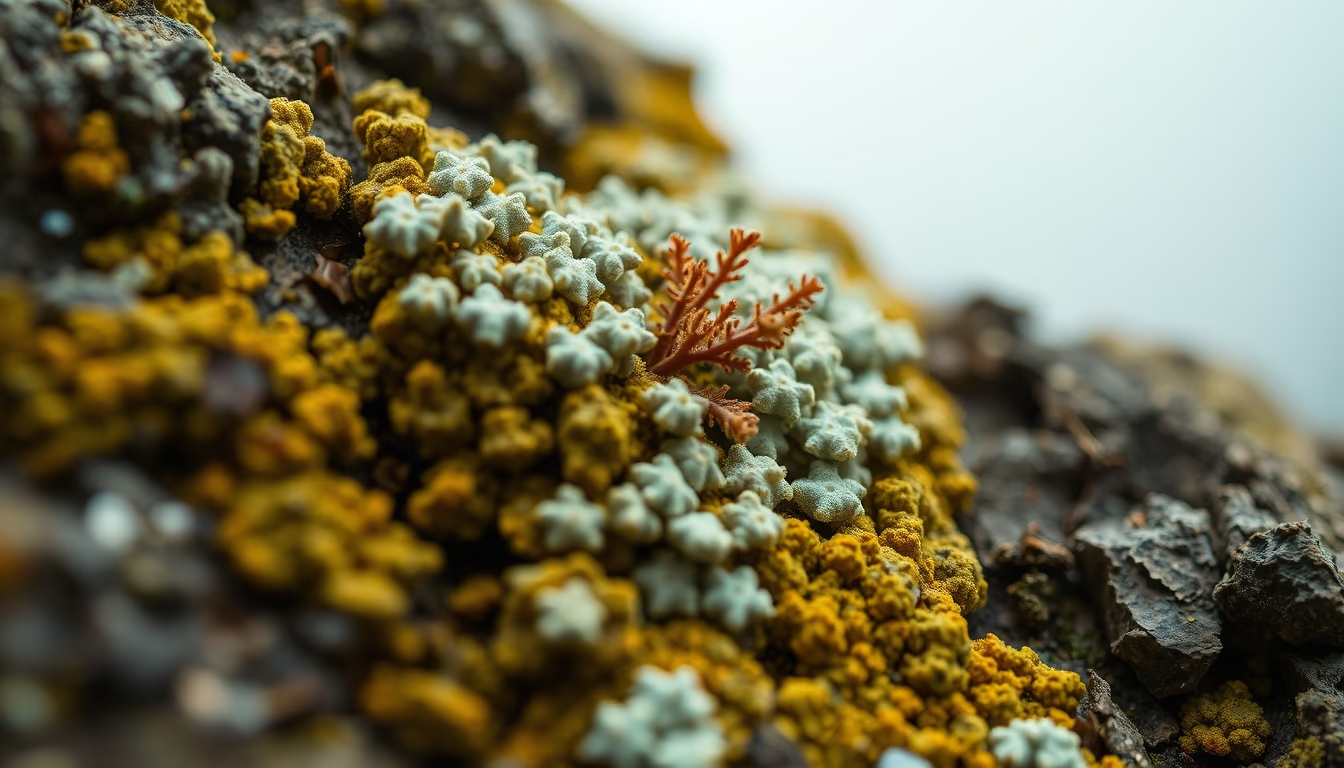
Cyanobacteria filament
1344×768 · AVIF · CC BY 4.0

Cyanobacteria are microscopic photosynthetic organisms that have produced oxygen for billions of years, essential for the evolution of life on Earth.
About this subject
Cyanobacteria, also known as blue-green algae, are photosynthetic prokaryotes that emerged approximately 2.5 billion years ago. They were the primary drivers of the Great Oxidation Event, which transformed Earth's atmosphere and enabled the development of aerobic organisms. These microorganisms can live in colonies or form filaments called trichomes, commonly found in aquatic environments.
Cyanobacteria inhabit virtually every environment, from oceans and lakes to soils and hot springs. Genera such as Oscillatoria and Anabaena are typical filamentous forms. Many species can fix atmospheric nitrogen, making them essential for the nitrogen cycle in both aquatic and terrestrial ecosystems.
The importance of cyanobacteria extends beyond oxygen production. They serve as the base of the food web in many aquatic habitats and are commercially used, such as Spirulina, a nutrient-rich dietary supplement. However, some species can form harmful algal blooms that release cyanotoxins, contaminating water and posing risks to human and animal health.
A fascinating fact is that the chloroplasts of modern plants evolved from endosymbiotic cyanobacteria. This event, which occurred over a billion years ago, was crucial for the evolution of complex life. To this day, cyanobacteria remain a valuable model for studying photosynthesis, evolution, and biotechnology, including the production of biofuels.
Frequently Asked Questions
Are cyanobacteria dangerous?
Some species produce toxins that can contaminate water and cause health issues, but many cyanobacteria are harmless and even beneficial, such as Spirulina used as a supplement.
Where do cyanobacteria live?
They are found in virtually all aquatic and moist environments, from oceans and lakes to soils, rocks, and hot springs.
Why are cyanobacteria important for the planet?
They were responsible for oxygenating the early atmosphere and continue to be important primary producers, nitrogen fixers, and the base of many food webs.
Direct URL
https://pub-c7d6a6ea828543ac903a74a341ccb2e1.r2.dev/imagens/cyanobacteria-filament-cinematic-wide-shot-fresh9.avifHow to credit
Include a visible link back to UtilizAí. Copy one of the snippets below:
<a href="https://xn--utiliza-eza.com/en/midia/imagens/cyanobacteria-filament-cinematic-wide-shot-fresh9">Cyanobacteria filament</a> by <a href="https://xn--utiliza-eza.com">UtilizAí</a>, licensed under <a href="https://creativecommons.org/licenses/by/4.0/">CC BY 4.0</a>.
[Cyanobacteria filament](https://xn--utiliza-eza.com/en/midia/imagens/cyanobacteria-filament-cinematic-wide-shot-fresh9) by [UtilizAí](https://xn--utiliza-eza.com), CC BY 4.0
License: CC-BY-4.0