Cyanobacteria filament
1344×768 · AVIF · CC BY 4.0
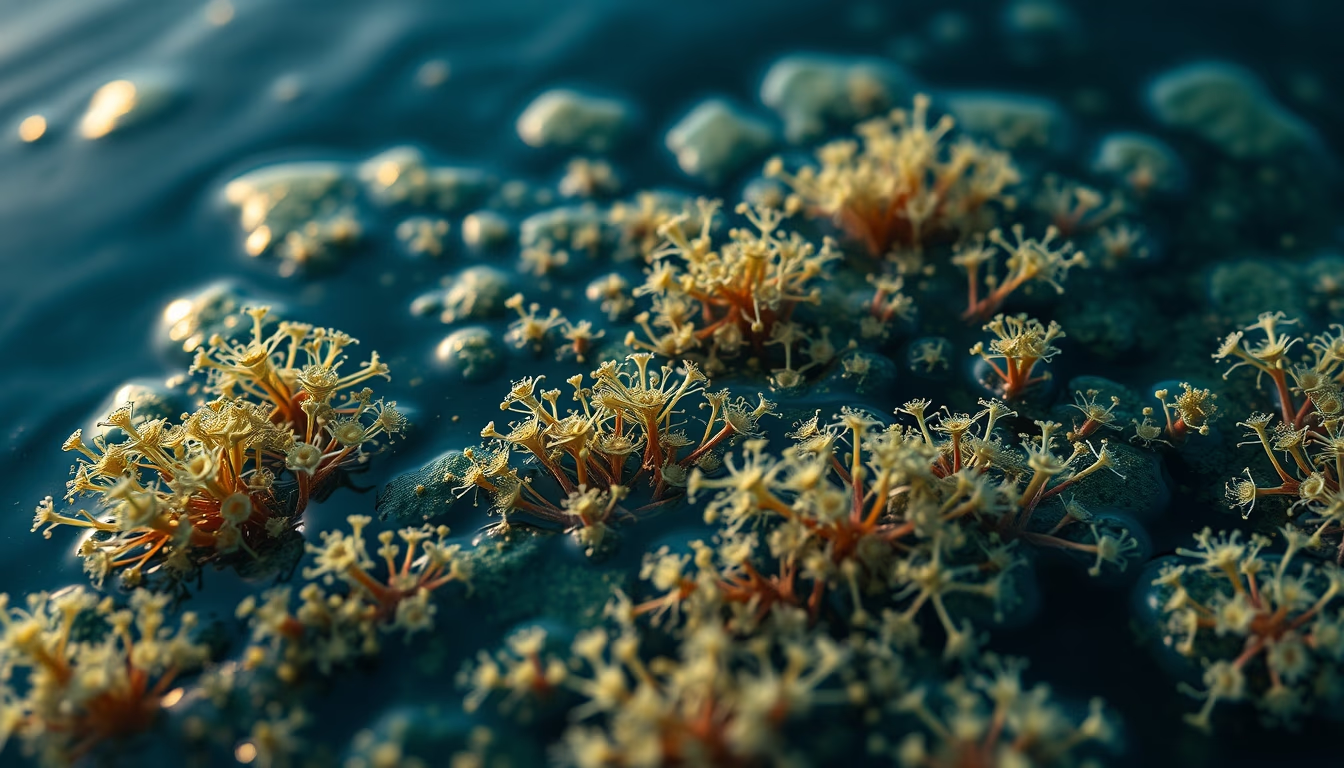
Filamentous cyanobacteria form dense mats on water bodies, visible from above as green or bluish patches, with significant environmental impact.
About this subject
Cyanobacteria are photosynthetic prokaryotes, commonly called blue-green algae, that inhabit aquatic and terrestrial environments. They are considered the first oxygen producers on Earth billions of years ago and gave rise to chloroplasts in modern plants through endosymbiosis. In eutrophic water bodies, certain filamentous species such as Microcystis and Anabaena form blooms visible from aerial views as greenish or bluish patches. These blooms are driven by excess nutrients, especially phosphorus and nitrogen, from agricultural fertilizers and domestic sewage. Some cyanobacteria produce toxins like microcystins and saxitoxins, which affect human and animal health, contaminating drinking water and causing fish kills. In Brazil, cyanobacterial blooms are frequent in reservoirs such as the Cantareira System and Pampulha Lagoon, requiring constant monitoring by environmental agencies. Interestingly, some cyanobacteria fix atmospheric nitrogen, contributing to soil fertility in rice paddies, but their uncontrolled growth poses a challenge for water resource management.
Frequently Asked Questions
What are filamentous cyanobacteria?
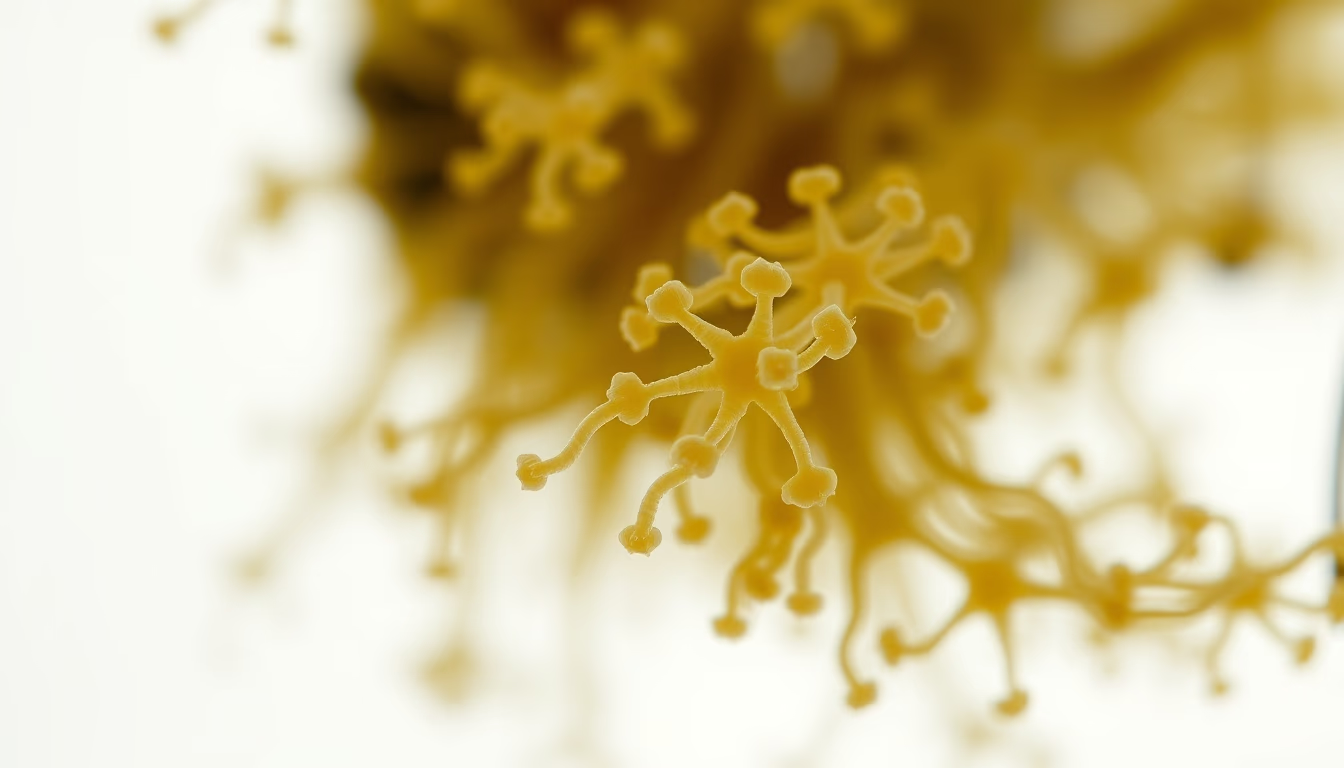
They are cyanobacteria that form colonies in strands or filaments, visible to the naked eye when highly concentrated. Examples include genera such as Anabaena and Nostoc.
Why are cyanobacterial blooms harmful?
They produce potent toxins like microcystins, which can cause liver and nervous system damage. They also consume oxygen at night and release compounds that alter water taste.
How can cyanobacterial blooms be controlled?
Measures include reducing nutrient input through wastewater treatment and agricultural management, artificial aeration, and use of algaecides. Remote monitoring by drones or satellites aids early detection.
Direct URL
https://pub-c7d6a6ea828543ac903a74a341ccb2e1.r2.dev/imagens/cyanobacteria-filament-aerial-drone-shot-fresh11.avifHow to credit
Include a visible link back to UtilizAí. Copy one of the snippets below:
<a href="https://xn--utiliza-eza.com/en/midia/imagens/cyanobacteria-filament-aerial-drone-shot-fresh11">Cyanobacteria filament</a> by <a href="https://xn--utiliza-eza.com">UtilizAí</a>, licensed under <a href="https://creativecommons.org/licenses/by/4.0/">CC BY 4.0</a>.
[Cyanobacteria filament](https://xn--utiliza-eza.com/en/midia/imagens/cyanobacteria-filament-aerial-drone-shot-fresh11) by [UtilizAí](https://xn--utiliza-eza.com), CC BY 4.0
License: CC-BY-4.0