Curry color south indian
1344×768 · AVIF · CC BY 4.0
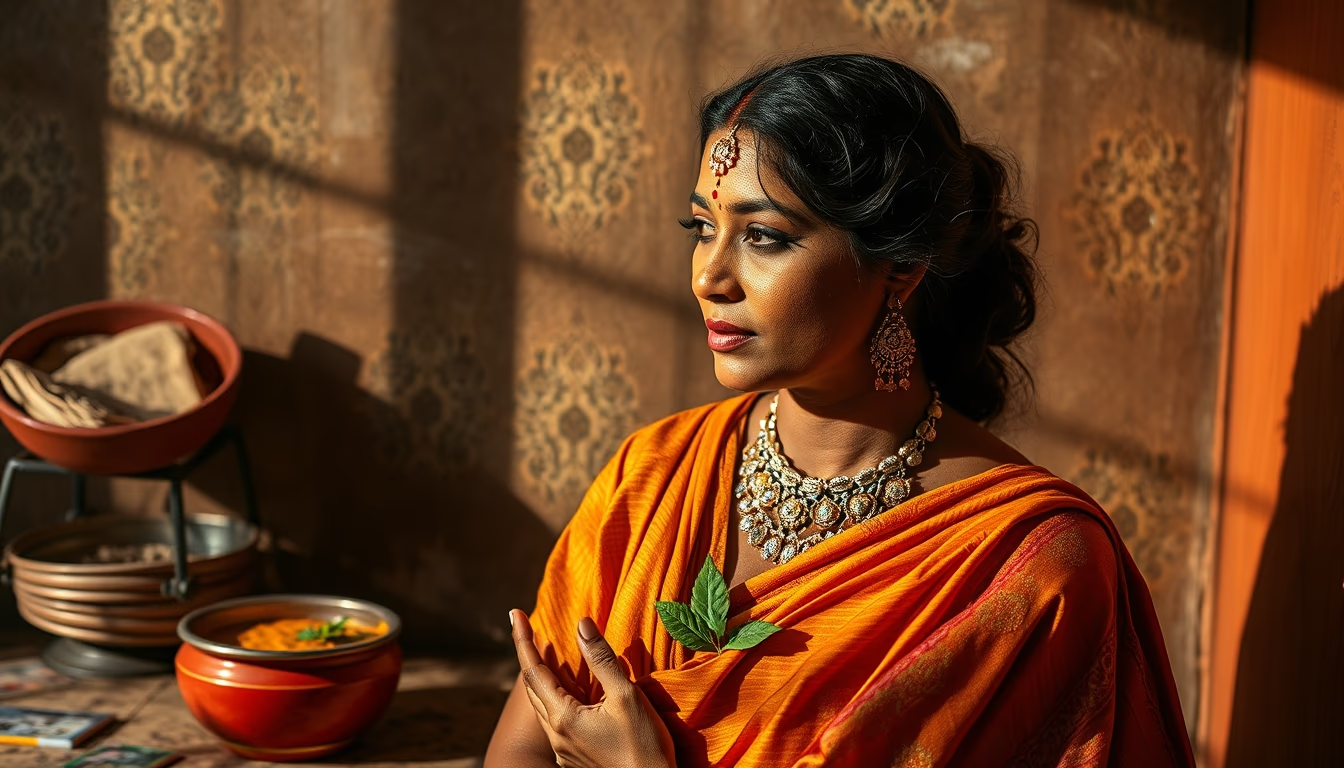
The deep reddish hue of South Indian curries comes from ingredients like dried red chilies, tamarind, and regional spice blends characteristic of the cuisine.
About this subject
South Indian curries are known for their vivid color range, from deep orange to intense red. This characteristic hue is achieved primarily through the use of dried red chilies, such as the Guntur or Byadgi varieties, which provide both color and moderate to intense heat. Tamarind is another key ingredient: its acidity balances the spice and contributes to the brownish tone, especially in fish and seafood dishes like Kerala's meen curry. Turmeric, though yellow, is often combined with paprika or annatto to reinforce the red.
Color plays a functional role in South Indian cuisine beyond aesthetics. A dark curry often indicates longer cooking, caramelized onions, and spices like cloves, cinnamon, and cardamom, typical of festive or Mughlai-influenced dishes such as Chettinad chicken. Lighter, orange tones appear in quick coconut‑milk preparations like vegetable korma. The Chettinad region of Tamil Nadu is famous for its strikingly red curries, thanks to a paste of dried chilies and fennel seeds.
Geographic factors influence color: coastal states like Kerala and Goa use more coconut and tamarind, resulting in orange, tangy tones, while inland Tamil Nadu and Karnataka prefer darker, thicker curries with less liquid. In home cooking, the shade is adjusted by the number of red chilies and the addition of tomato paste or dried pomegranate seeds (anardana) in some communities. Mustard seed oil, used in many temperings, adds a golden sheen that enhances the red.
For enthusiasts, curry color is a marker of authenticity: chicken 65, a South Indian dish, has a characteristic orange‑red color from a yogurt and red chili marinade. In contrast, pongal (a rice‑lentil dish) is intentionally pale, showing that color is deliberately used to signal flavor profiles. Thus, red is not mere decoration but a culinary code passed down through generations.
Frequently Asked Questions
What gives South Indian curries their red color?
The red color comes mainly from dried red chilies (such as Guntur or Byadgi), tamarind, and sometimes paprika or annatto. Turmeric is also used, but its yellow is balanced by the other ingredients.
Why are some South Indian curries darker than others?
A darker tone indicates longer cooking and caramelization of onions, along with spices like cloves and cinnamon. Lighter, orange curries often contain coconut milk and less chili, such as kormas.
What is the difference between South Indian and North Indian curry?
South Indian curries use more tamarind, dried red chilies, and coconut milk, resulting in redder colors and tangy, spicy flavors. North Indian curries are creamier, with yogurt and cream, and tend to be orange or beige.
Direct URL
https://pub-c7d6a6ea828543ac903a74a341ccb2e1.r2.dev/imagens/curry-color-south-indian-magazine-editorial-p4.avifHow to credit
Include a visible link back to UtilizAí. Copy one of the snippets below:
<a href="https://xn--utiliza-eza.com/en/midia/imagens/curry-color-south-indian-magazine-editorial-p4">Curry color south indian</a> by <a href="https://xn--utiliza-eza.com">UtilizAí</a>, licensed under <a href="https://creativecommons.org/licenses/by/4.0/">CC BY 4.0</a>.
[Curry color south indian](https://xn--utiliza-eza.com/en/midia/imagens/curry-color-south-indian-magazine-editorial-p4) by [UtilizAí](https://xn--utiliza-eza.com), CC BY 4.0
License: CC-BY-4.0