Crewel work wool
1344×768 · AVIF · CC BY 4.0
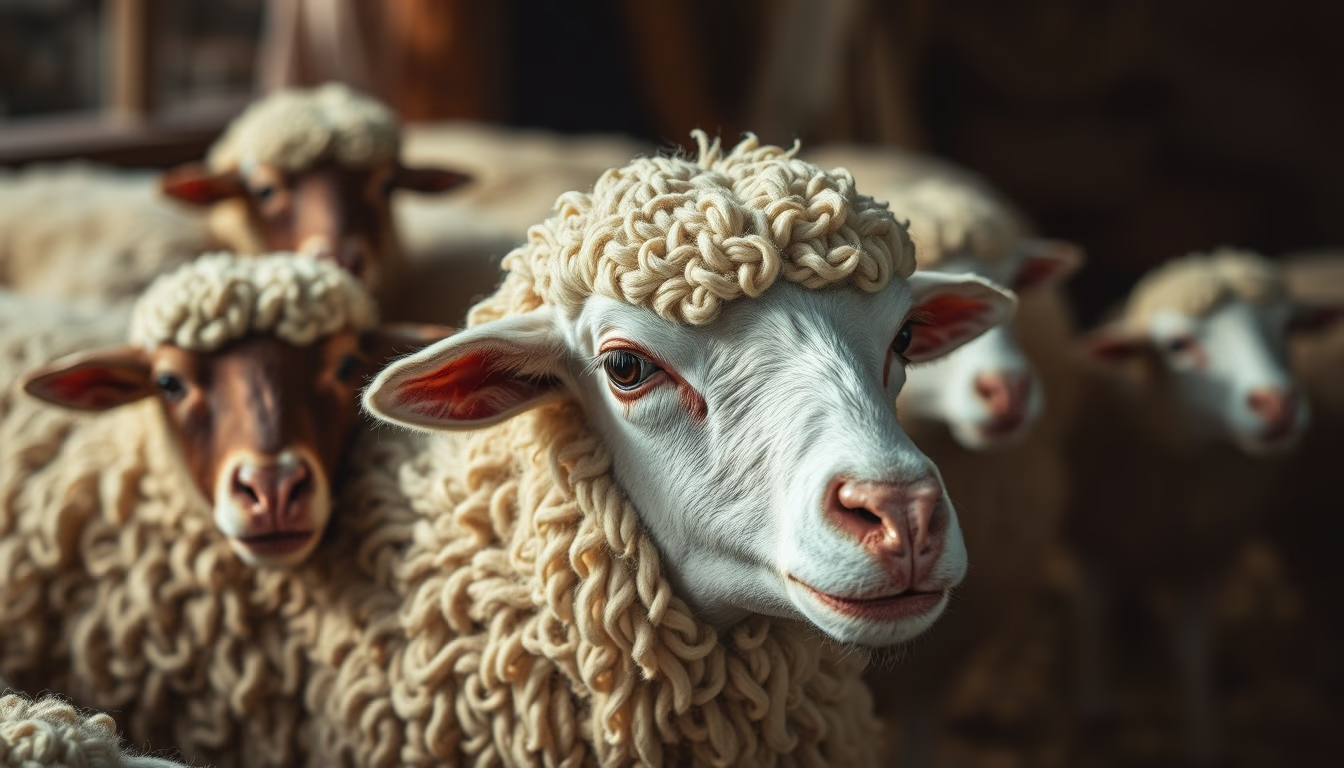
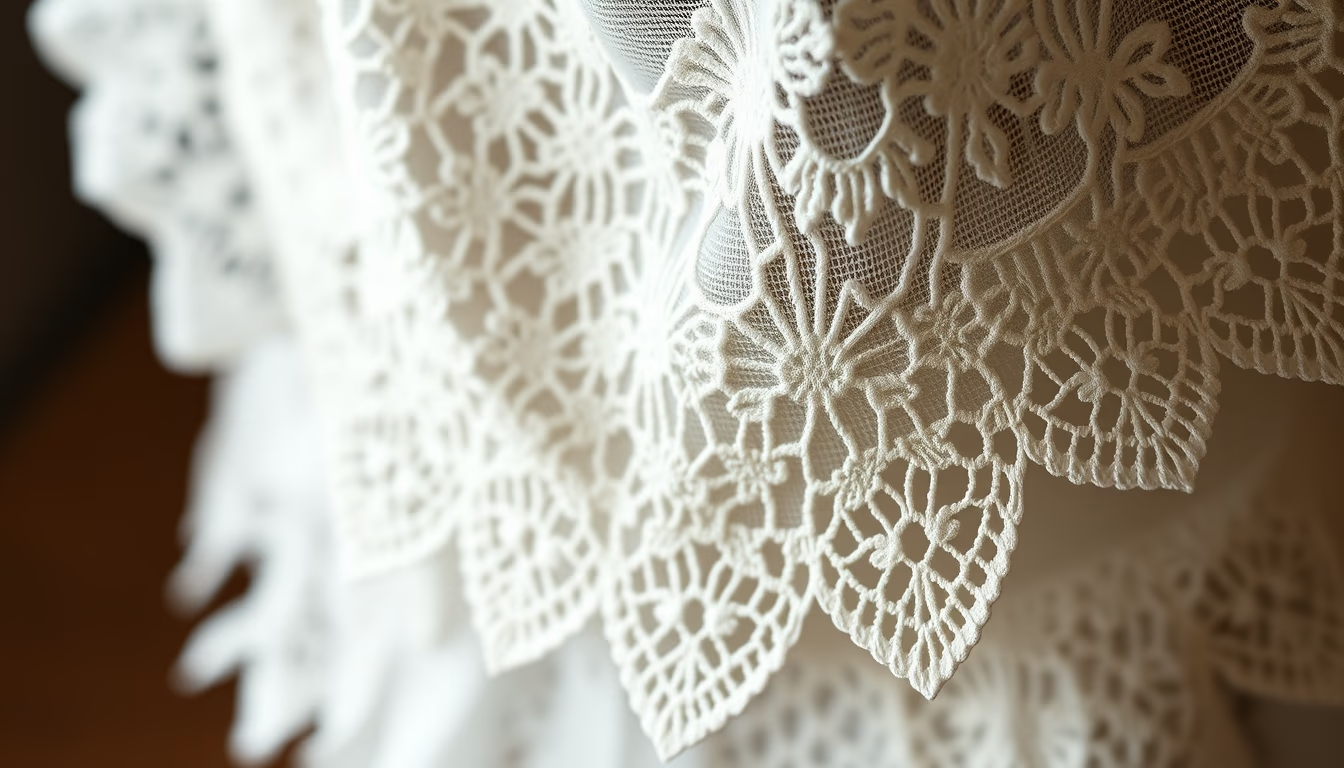
Crewel work wool is an embroidery technique using wool yarn to create ornate designs, prominent in British decoration of the 17th and 18th centuries.
About this subject
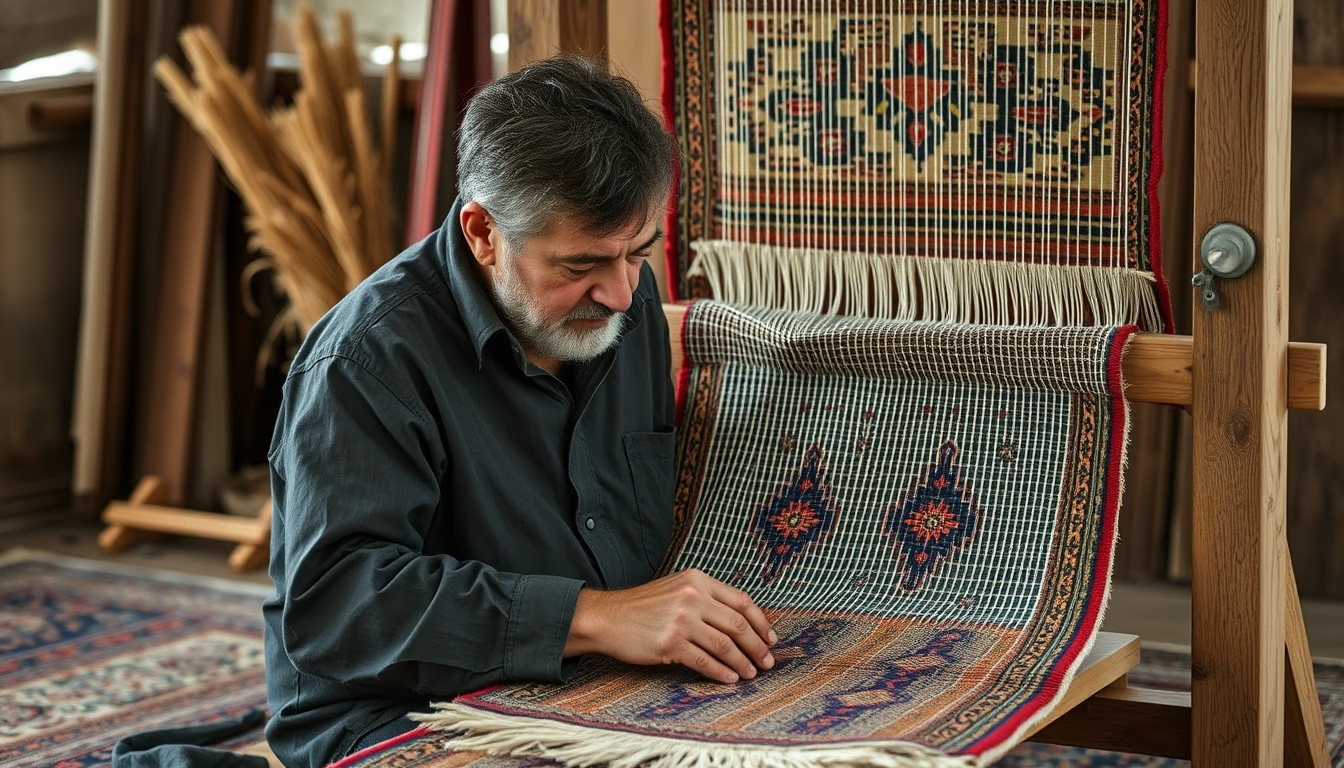
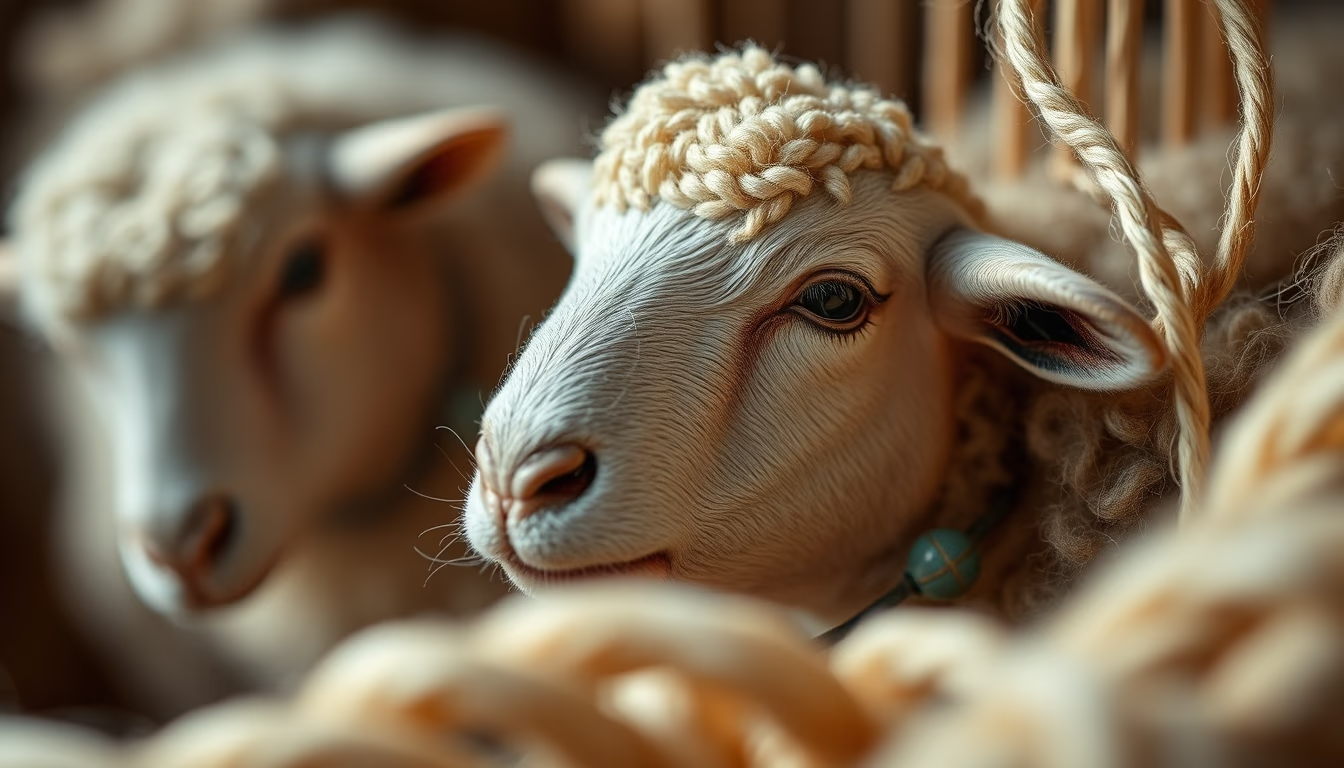
Crewel work is a type of embroidery that uses wool yarn on a fabric base, usually linen or cotton. Unlike traditional embroidery with cotton or silk thread, crewel uses spun wool, giving texture and volume to pieces. The word "crewel" derives from the old term "curle" or Welsh "cwll," referring to a ball of wool
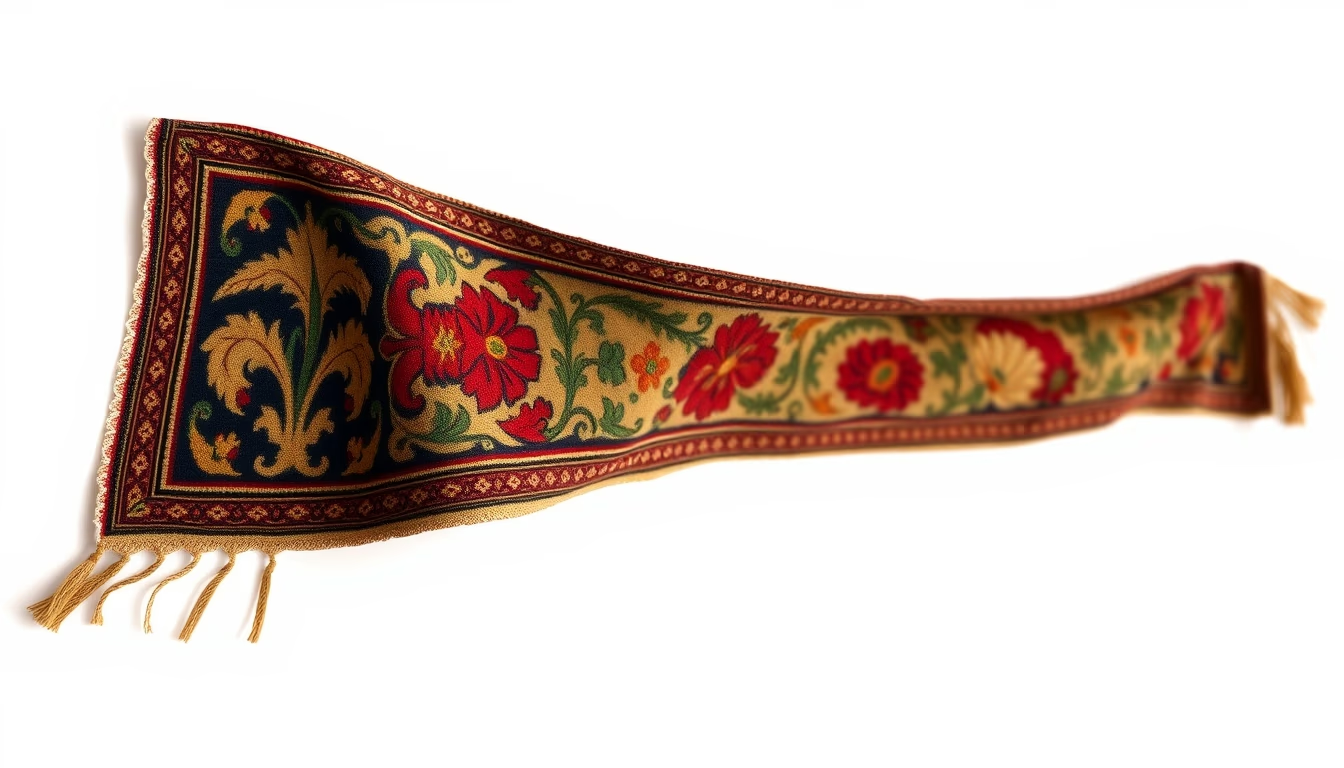
Historically, crewel work flourished in England during the Jacobean (1603-1625) and Caroline (1625-1649) periods, widely used in tapestries, curtains, cushions, and clothing. Typical designs include arabesques, stylized flowers, leaves, and mythological figures, often inspired by Indian and Persian patterns. The technique was brought to the American colonies, where it adapted with local motifs
A hallmark of crewel is the long and short stitch, which creates shading and gradients. Other common stitches include stem stitch, chain stitch, and French knot. The wool used is usually 2-ply, but variations may use thicker or thinner yarns depending on the effect desired. The piece is finished with a lining or frame to preserve the work
Today, crewel work is practiced by artisans and embroidery enthusiasts, valued for both its traditional aspect and contemporary experimentation possibilities. Courses and workshops spread the technique, while museums like the Victoria and Albert Museum in London preserve historical examples. The durability and visual appeal of the pieces keep crewel a respected textile art form
Frequently Asked Questions
What is the difference between crewel and traditional embroidery?
The main difference is the material: crewel uses wool yarn, while traditional embroidery usually employs cotton or silk thread. This gives crewel a more textured, rustic appearance.
What types of stitches are used in crewel work?
Common stitches include long and short stitch, stem stitch, chain stitch, and French knot. Each contributes to specific texture and shading effects.
Can crewel work be washed?
Yes, but with care. Hand washing in cold water with mild soap is recommended, avoiding wringing. Historical or very delicate pieces should be dry cleaned to preserve the wool fibers.
Direct URL
https://pub-c7d6a6ea828543ac903a74a341ccb2e1.r2.dev/imagens/crewel-work-wool-documentary-photography-fresh14.avifHow to credit
Include a visible link back to UtilizAí. Copy one of the snippets below:
<a href="https://xn--utiliza-eza.com/en/midia/imagens/crewel-work-wool-documentary-photography-fresh14">Crewel work wool</a> by <a href="https://xn--utiliza-eza.com">UtilizAí</a>, licensed under <a href="https://creativecommons.org/licenses/by/4.0/">CC BY 4.0</a>.
[Crewel work wool](https://xn--utiliza-eza.com/en/midia/imagens/crewel-work-wool-documentary-photography-fresh14) by [UtilizAí](https://xn--utiliza-eza.com), CC BY 4.0
License: CC-BY-4.0