Coral reef vibrant
1344×768 · AVIF · CC BY 4.0
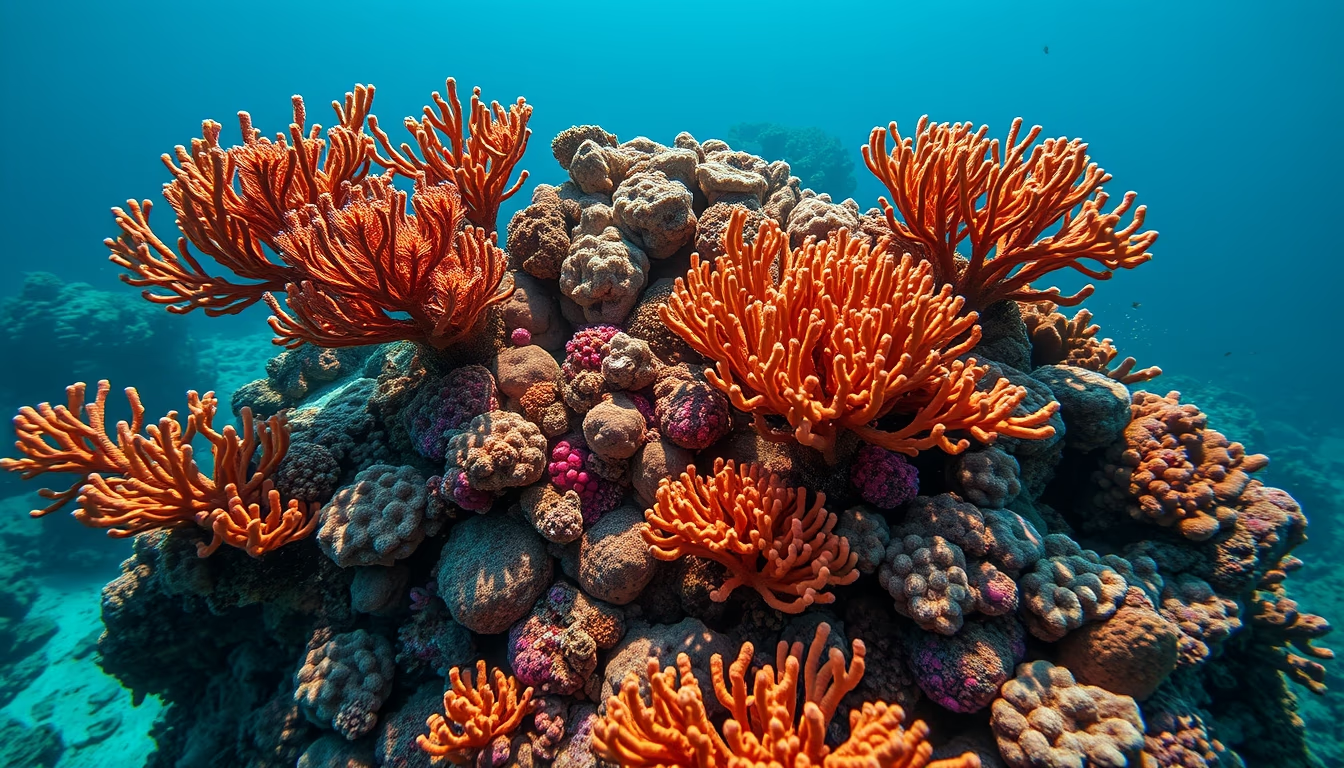
Coral reefs are highly biodiverse marine ecosystems, hosting about 25% of all ocean species.
About this subject
Coral reefs, often called the 'rainforests of the sea,' cover less than 1% of the ocean floor but support approximately 25% of all known marine species. These ecosystems are built by colonies of tiny animals called coral polyps, which secrete calcium carbonate to form hard structures. Symbiosis with zooxanthellae algae provides most of the corals' energy, enabling growth in nutrient-poor waters.
Global distribution of coral reefs is concentrated in tropical and subtropical waters, mainly between 30°N and 30°S latitudes. The Coral Triangle in Southeast Asia (Indonesia, Philippines, Papua New Guinea) hosts the highest coral diversity worldwide, with over 500 species. In Brazil, reefs are unique due to low true coral cover and high presence of calcareous algae, such as the Abrolhos reefs.
Reefs provide vital ecosystem services: coastal protection from storms, habitat for commercial fish, and a source of bioactive compounds for medicines. Over 500 million people are estimated to depend directly on reefs for food, income, and protection. The Great Barrier Reef in Australia is the largest reef system, stretching about 2,300 km and visible from space.
Unfortunately, reefs face severe threats: global warming causes mass bleaching (loss of zooxanthellae), ocean acidification reduces calcification, pollution and overfishing degrade resilience. Since 1950, global live coral cover has halved. Restoration initiatives, such as coral fragmentation and transplantation, are underway in many countries, but mitigating climate change is crucial for the survival of these ecosystems.
Frequently Asked Questions
Why are coral reefs important to humans?
Reefs protect coastlines from storms and erosion, support commercial fisheries, and provide compounds for medicines. Over 500 million people depend on them for food and income.
What causes coral bleaching?
Bleaching occurs when corals expel their zooxanthellae algae due to thermal stress (water too warm), losing their color and energy source. If stress persists, corals may die.
What is the largest coral reef in the world?
The Great Barrier Reef in Australia is the largest reef system, stretching about 2,300 km and comprising over 2,900 individual reefs.
Direct URL
https://pub-c7d6a6ea828543ac903a74a341ccb2e1.r2.dev/imagens/coral-reef-vibrant-cinematic-wide-shot-v2.avifHow to credit
Include a visible link back to UtilizAí. Copy one of the snippets below:
<a href="https://xn--utiliza-eza.com/en/midia/imagens/coral-reef-vibrant-cinematic-wide-shot-v2">Coral reef vibrant</a> by <a href="https://xn--utiliza-eza.com">UtilizAí</a>, licensed under <a href="https://creativecommons.org/licenses/by/4.0/">CC BY 4.0</a>.
[Coral reef vibrant](https://xn--utiliza-eza.com/en/midia/imagens/coral-reef-vibrant-cinematic-wide-shot-v2) by [UtilizAí](https://xn--utiliza-eza.com), CC BY 4.0
License: CC-BY-4.0