Colosseum rome interior
1344×768 · AVIF · CC BY 4.0
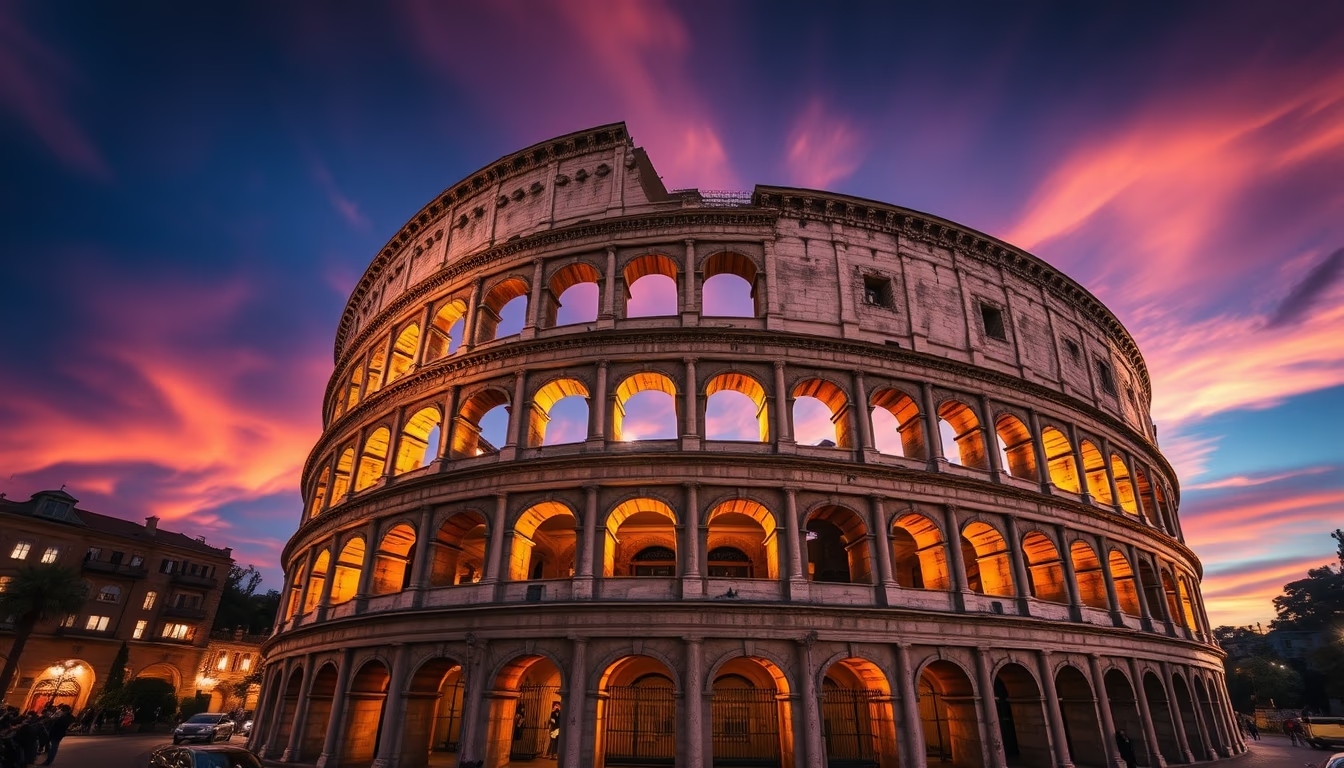
The interior of the Colosseum in Rome reveals the grandeur of Roman engineering, with ruins that tell centuries of history, battles, and culture.
About this subject
The Colosseum, officially the Flavian Amphitheatre, was inaugurated in 80 AD by Emperor Titus. Its oval structure measures 189 meters in length and 156 meters in width, with an estimated capacity of 50,000 to 80,000 spectators. The interior was divided into five hierarchical zones: the arena (where spectacles took place), the podium (for senators and dignitaries), and the upper tiers for commoners and women. The underground area, known as the hypogeum, was a complex network of tunnels and cells that housed gladiators, animals, and machinery for lifting scenery.
Roman engineering is impressive with the vomitoria, corridors that allowed the crowd to exit within 15 minutes, and the system of awnings (velarium) that protected spectators from the sun. The arena had a wooden floor covered with sand, which could be removed to flood the space for naval battles (naumachiae). The most common spectacles were gladiatorial combats, exotic animal hunts (venationes), and public executions, all with strong symbolic and political significance.
After the fall of the Roman Empire, the Colosseum suffered earthquakes and looting: its stones were reused in the construction of palaces and churches, such as St. Peter's Basilica. In the 18th century, it was declared a Christian sanctuary in memory of the martyrs, which halted destruction. Today, the monument is one of the most visited in the world, with about 7 million tourists annually. Recent restorations, such as the cleaning of the facade (2014-2016) and the installation of a new elevator in the hypogeum (2021), aim to preserve the structure and enhance visitor experience.
Interestingly, the Colosseum inspired modern stadiums like the Maracanã and appears in films such as Gladiator (2000). Its image is a universal symbol of Ancient Rome and human ability to create monuments that last millennia. Despite losses, the interior still allows a glimpse of the original magnificence, with the arcades and hypogeum ruins exposed to the public. A guided tour of the underground is one of the most sought-after experiences.
Frequently Asked Questions
How old is the Colosseum?
The Colosseum was inaugurated in 80 AD, making it approximately 1,944 years old (as of 2024). Construction began under Emperor Vespasian between 70 and 72 AD and was completed by Titus.
What happened inside the Colosseum?
The Colosseum hosted mainly gladiator fights, animal hunts (venationes), and public executions. Simulated naval battles (naumachiae) also occurred by flooding the arena. Events were free and funded by the emperor to entertain the populace.
How was the seating system in the Colosseum?
Seats were arranged by social hierarchy. The podium, near the arena, was for senators and officials. Above, there were tiers for knights, common citizens, and at the top, women and slaves. There were numbered sectors and 76 numbered entrances.
Direct URL
https://pub-c7d6a6ea828543ac903a74a341ccb2e1.r2.dev/imagens/colosseum-rome-interior-long-exposure-p6.avifHow to credit
Include a visible link back to UtilizAí. Copy one of the snippets below:
<a href="https://xn--utiliza-eza.com/en/midia/imagens/colosseum-rome-interior-long-exposure-p6">Colosseum rome interior</a> by <a href="https://xn--utiliza-eza.com">UtilizAí</a>, licensed under <a href="https://creativecommons.org/licenses/by/4.0/">CC BY 4.0</a>.
[Colosseum rome interior](https://xn--utiliza-eza.com/en/midia/imagens/colosseum-rome-interior-long-exposure-p6) by [UtilizAí](https://xn--utiliza-eza.com), CC BY 4.0
License: CC-BY-4.0