Coffee beans roasting
1344×768 · AVIF · CC BY 4.0
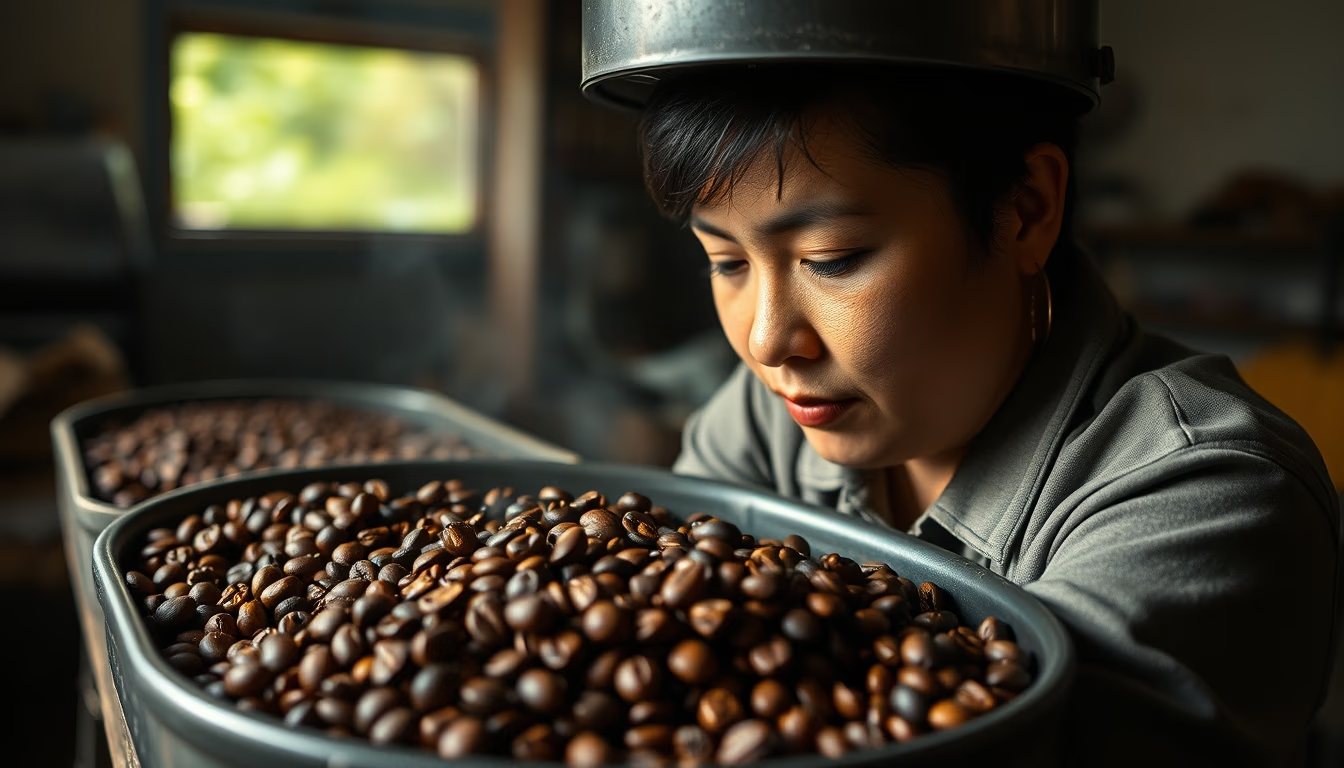
Coffee roasting transforms green beans into aromatic coffee, defining flavor, body, and acidity through precise chemical reactions.
About this subject
Coffee roasting is a critical stage in the production chain, where green beans (odorless and green) are subjected to temperatures between 180°C and 240°C, triggering physical and chemical transformations. During the process, moisture evaporates, the bean swells and changes color from green to yellow, cinnamon, light brown, and finally dark brown. The Maillard reaction, which occurs between amino acids and sugars, is responsible for developing characteristic aromas, while caramelization of sugars contributes to sweet and bitter notes.
There are three main roast profiles: light, medium, and dark. Light roast preserves natural acidity and original bean flavors, common in specialty single-origin coffees. Medium roast balances acidity, sweetness, and body, being the most popular in Brazil for home consumption. Dark roast produces oily, bitter beans with notes of dark chocolate and burnt caramel, typical in Italian and espresso coffees.
Temperature and time control is essential to avoid defects such as baked or scorched beans. Each coffee variety (Arabica or Robusta) reacts differently: Arabicas generally require lower temperatures to preserve acidity, while Robustas tolerate darker roasts to reduce bitterness. After roasting, beans must be cooled quickly to stop cooking and stabilize flavor.
In Brazil, artisanal roasting has grown with micro-roasters seeking to highlight regional terroirs like Minas Gerais, Espírito Santo, and Bahia. Roasting in small batches allows precise adjustments for each lot of beans, valuing traceability and quality. Worldwide, roasting is considered an art combining science and sensitivity, directly influencing the final beverage profile.
Frequently Asked Questions
What is the difference between light, medium, and dark roast?
Light roast preserves acidity and original flavors, medium roast balances acidity, sweetness, and body, and dark roast produces oily, bitter beans with notes of chocolate and burnt caramel.
How does roasting affect coffee flavor?
Roasting triggers Maillard reactions and caramelization, creating flavor compounds. Lighter roasts retain acidity and floral or fruity notes; darker roasts develop bitterness and toasted notes.
How long does it take to roast coffee?
The typical process lasts 8 to 15 minutes, depending on target temperature and batch size. Darker roasts usually take longer, and the exact point is determined by color, sound, and smell.
Direct URL
https://pub-c7d6a6ea828543ac903a74a341ccb2e1.r2.dev/imagens/coffee-beans-roasting-film-grain-authentic-p5.avifHow to credit
Include a visible link back to UtilizAí. Copy one of the snippets below:
<a href="https://xn--utiliza-eza.com/en/midia/imagens/coffee-beans-roasting-film-grain-authentic-p5">Coffee beans roasting</a> by <a href="https://xn--utiliza-eza.com">UtilizAí</a>, licensed under <a href="https://creativecommons.org/licenses/by/4.0/">CC BY 4.0</a>.
[Coffee beans roasting](https://xn--utiliza-eza.com/en/midia/imagens/coffee-beans-roasting-film-grain-authentic-p5) by [UtilizAí](https://xn--utiliza-eza.com), CC BY 4.0
License: CC-BY-4.0