Cocktail bar mixology
1344×768 · AVIF · CC BY 4.0
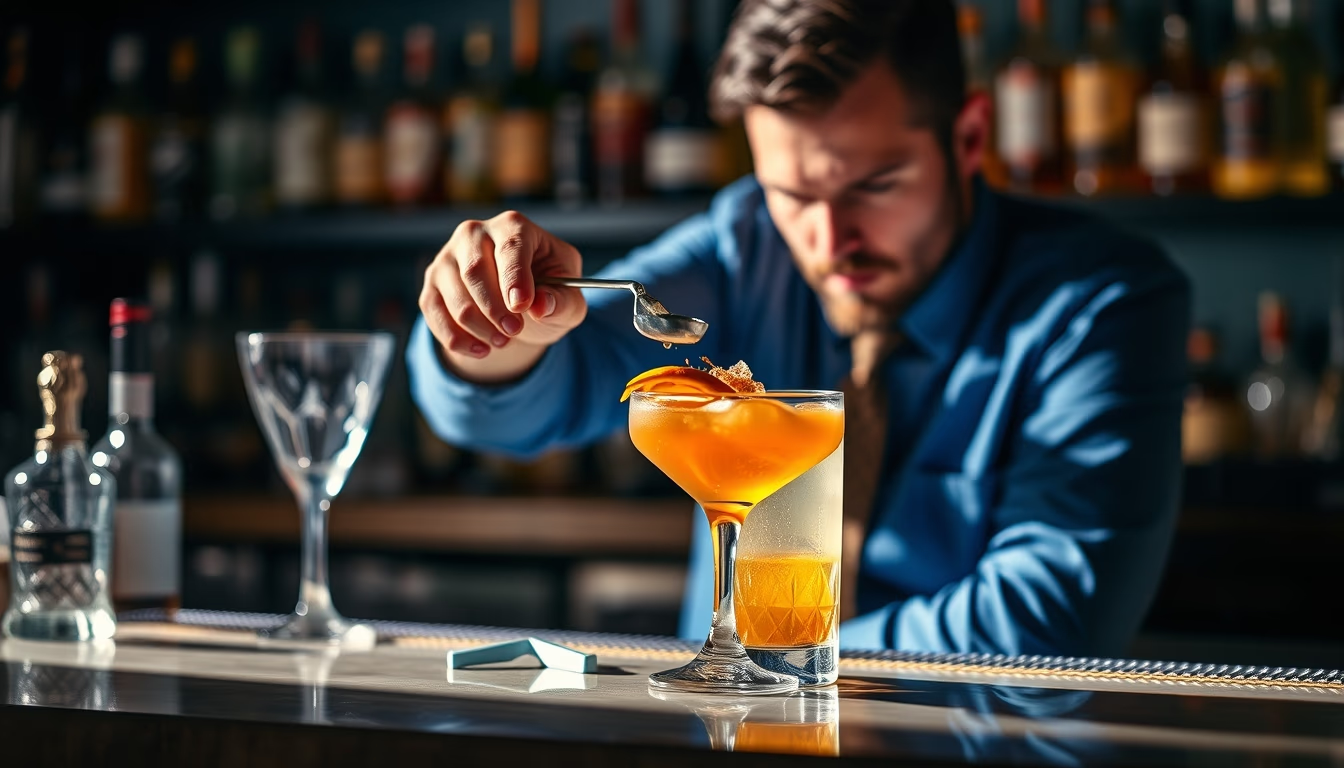
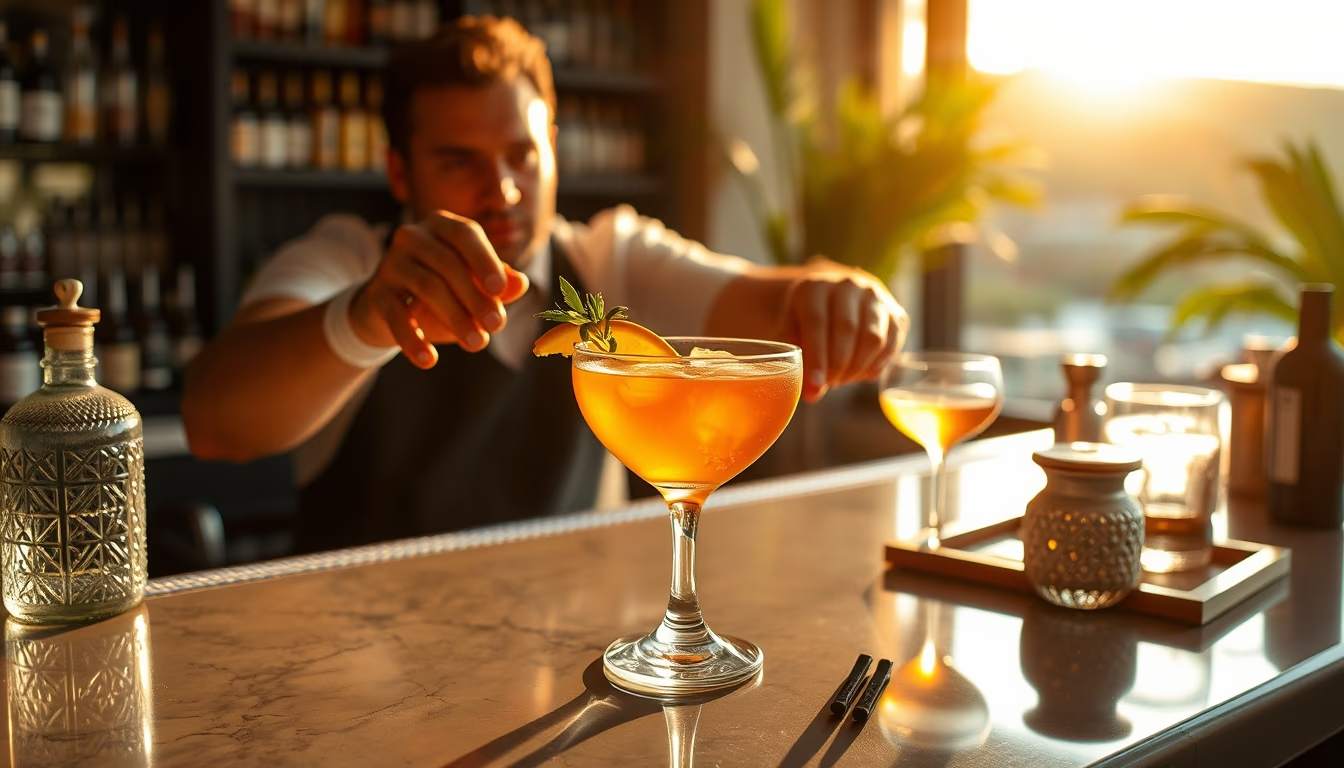
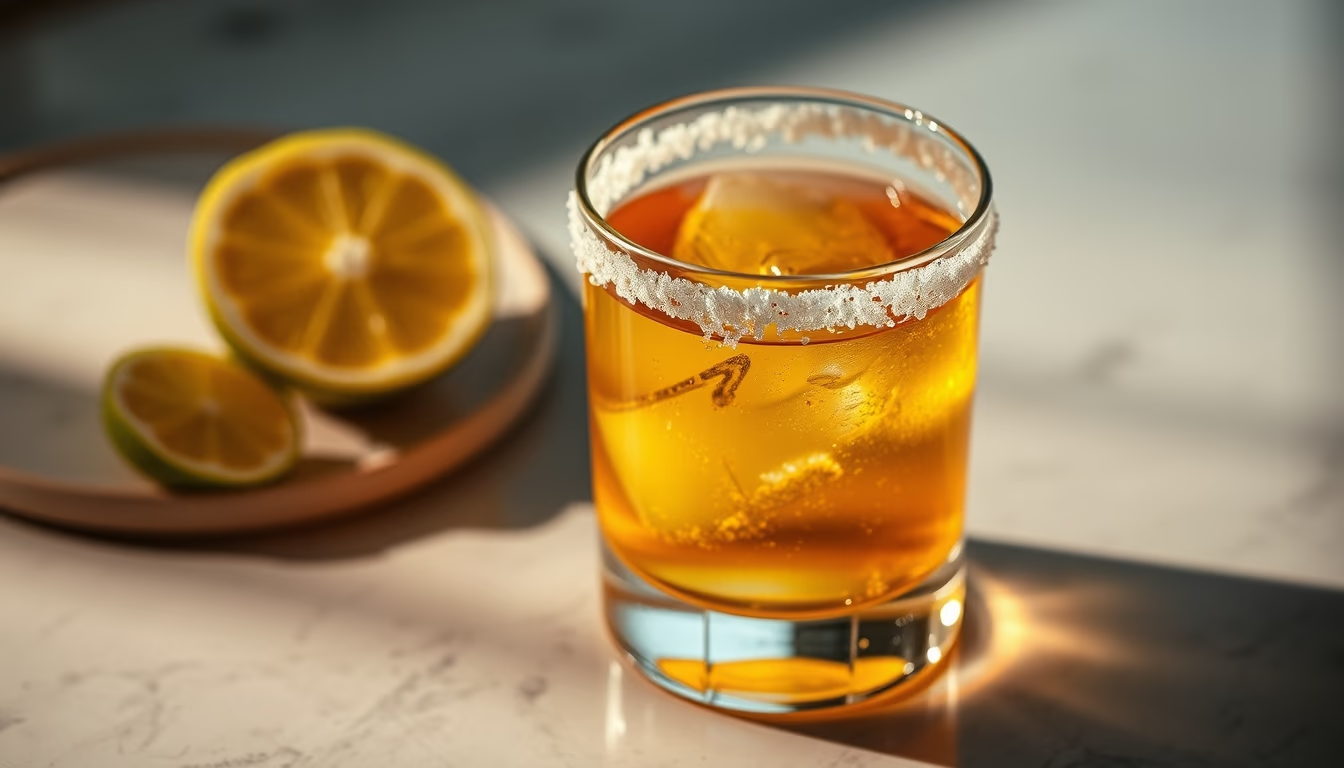
Discover the art and science of cocktail bar mixology, a practice that combines technique, creativity, and selected ingredients to create unique sensory experiences.
About this subject
Mixology is the professional practice of crafting cocktails, going beyond simple mixing of drinks. It involves deep knowledge of spirits, liqueurs, bitters, syrups, and fresh ingredients, as well as techniques like infusion, carbonation, and smoking. Modern cocktail bars, especially in urban centers like São Paulo, New York, and London, elevate this art to a high-gastronomy level, often with seasonal menus and local ingredients.
The history of mixology dates back to the 19th century, with the first cocktail book published in 1862 by Jerry Thomas. Since then, evolution has passed through the classic era (Martini, Manhattan), the post-war decline of ready-made cocktails, and the resurgence in the 2000s with the craft movement. Today, mixology is recognized as a profession requiring training and certification, such as those offered by the International Bartenders Association.
Trends for 2026 include the use of sustainable, fermented, and probiotic ingredients, as well as low-ABV and non-alcoholic cocktails. The search for immersive experiences is also growing, with bars offering guided tastings, food pairings, and themed environments. Globalization has brought influences from Japanese techniques (like exotic fruits and ice spheres) and Brazilian flavors (cachaça, jabuticaba, açaí).
Interestingly, the term 'mixology' was popularized in the 2000s, but the profession of mixologist bartender is ancient. Great names like Dale DeGroff and Julie Reiner helped professionalize the field. Today, competitions such as the World Cocktail Championship and Bacardi Legacy award innovative creations, and many bars use molecular gastronomy techniques, like foams and gelification, to surprise the palate.
Frequently Asked Questions
What is the difference between a bartender and a mixologist?
A bartender prepares and serves drinks in general, while a mixologist specializes in creating and executing artisanal cocktails with advanced technical knowledge of ingredients and methods.
What are the main ingredients used in mixology?
Spirits (vodka, gin, whiskey), liqueurs, bitters, syrups, fresh fruits, herbs, spices, and tonic water. Techniques like infusion and barrel aging are also common.
Is mixology just a passing trend?
No. Mixology has established itself as a cultural and gastronomic movement, with increasingly discerning consumers. The pursuit of quality and unique experiences makes the practice enduring.
Direct URL
https://pub-c7d6a6ea828543ac903a74a341ccb2e1.r2.dev/imagens/cocktail-bar-mixology-magazine-editorial-p4.avifHow to credit
Include a visible link back to UtilizAí. Copy one of the snippets below:
<a href="https://xn--utiliza-eza.com/en/midia/imagens/cocktail-bar-mixology-magazine-editorial-p4">Cocktail bar mixology</a> by <a href="https://xn--utiliza-eza.com">UtilizAí</a>, licensed under <a href="https://creativecommons.org/licenses/by/4.0/">CC BY 4.0</a>.
[Cocktail bar mixology](https://xn--utiliza-eza.com/en/midia/imagens/cocktail-bar-mixology-magazine-editorial-p4) by [UtilizAí](https://xn--utiliza-eza.com), CC BY 4.0
License: CC-BY-4.0